Hey everyone! Ever stop to think about where your electricity *really* comes from? I mean, you flip a switch and BAM! Light! But what's powering that whole operation? Chances are, it's either renewable or nonrenewable energy. Let's dive into what makes each of these energy sources tick – the good, the bad, and the downright interesting!
Nonrenewable Energy: The Old Guard
Okay, let's start with the classics – nonrenewable energy. Think of these as the *old guard*, the OG power sources that have been fueling our world for a long, long time. We're talking about fossil fuels like coal, oil, and natural gas. But why are they called "nonrenewable"? Well, simply put, they take millions of years to form. We're using them up way faster than they can naturally replenish, which makes them... you guessed it... nonrenewable!
The Perks of the Past
So, why have we relied on these for so long? Here are a few reasons:
- Reliability: They're pretty darn reliable. We know how to extract them, refine them, and burn them to create electricity. It's a system that's been perfected over decades. Think of it like your favorite pair of worn-in jeans – you know they'll always be there for you.
- Infrastructure: We've built a massive infrastructure around fossil fuels. Power plants, pipelines, refineries... it's a *huge* network that's already in place. Changing that takes time and, well, a lot of money!
- Energy Density: Fossil fuels pack a serious punch! They contain a lot of energy in a relatively small amount. Imagine carrying a small bag of coal versus a truckload of solar panels that produce the same amount of energy. Which one would you prefer?
The Downsides: The Environmental Elephant in the Room
But here's the thing: using fossil fuels comes with a hefty price tag, especially for our planet. This is where the "elephant in the room" comes in, and it's a big one.
- Pollution: Burning fossil fuels releases harmful pollutants into the air, contributing to smog, acid rain, and respiratory problems. Not cool.
- Climate Change: This is the big one. Fossil fuels are a major contributor to greenhouse gas emissions, which trap heat in the atmosphere and lead to global warming. Rising sea levels, extreme weather events… the effects are already being felt around the world.
- Depletion: As we mentioned before, these resources are finite. We're eventually going to run out! It's like having a limited supply of your favorite snack. You can enjoy it now, but eventually, it'll be gone.
Renewable Energy: The Rising Stars
Now, let's talk about the *rising stars* of the energy world: renewable energy sources! These are the energy sources that are constantly replenished by nature. Think sunlight, wind, water, and geothermal heat. They're like the Energizer Bunny of energy – they just keep going and going!
Sunshine and Smiles: The Advantages
What makes renewable energy so appealing? Let's break it down:
- Sustainability: The biggest advantage is that they're sustainable! They won't run out, which means we can use them for generations to come. It's like having an endless supply of your favorite snack, as long as you harvest it responsibly.
- Clean Energy: Renewable energy sources produce little to no pollution. They're much cleaner than fossil fuels, helping to protect our air and water.
- Job Creation: The renewable energy industry is booming, creating new jobs in manufacturing, installation, and maintenance. Think of it as a whole new career field opening up!
The Challenges: Not All Sunshine and Rainbows
Of course, renewable energy isn't perfect. It has its own set of challenges:
- Intermittency: The sun doesn't always shine, and the wind doesn't always blow. This intermittency can make it difficult to rely on renewable energy sources to meet our energy needs all the time. Imagine trying to bake a cake using only solar power – it might take a while on a cloudy day!
- Cost: While the cost of renewable energy technologies has been decreasing rapidly, they can still be more expensive than fossil fuels in some cases. However, this gap is closing quickly.
- Land Use: Some renewable energy projects, like large-scale solar farms or wind farms, can require a lot of land. Finding suitable locations can be challenging.
The Bottom Line: A Balancing Act
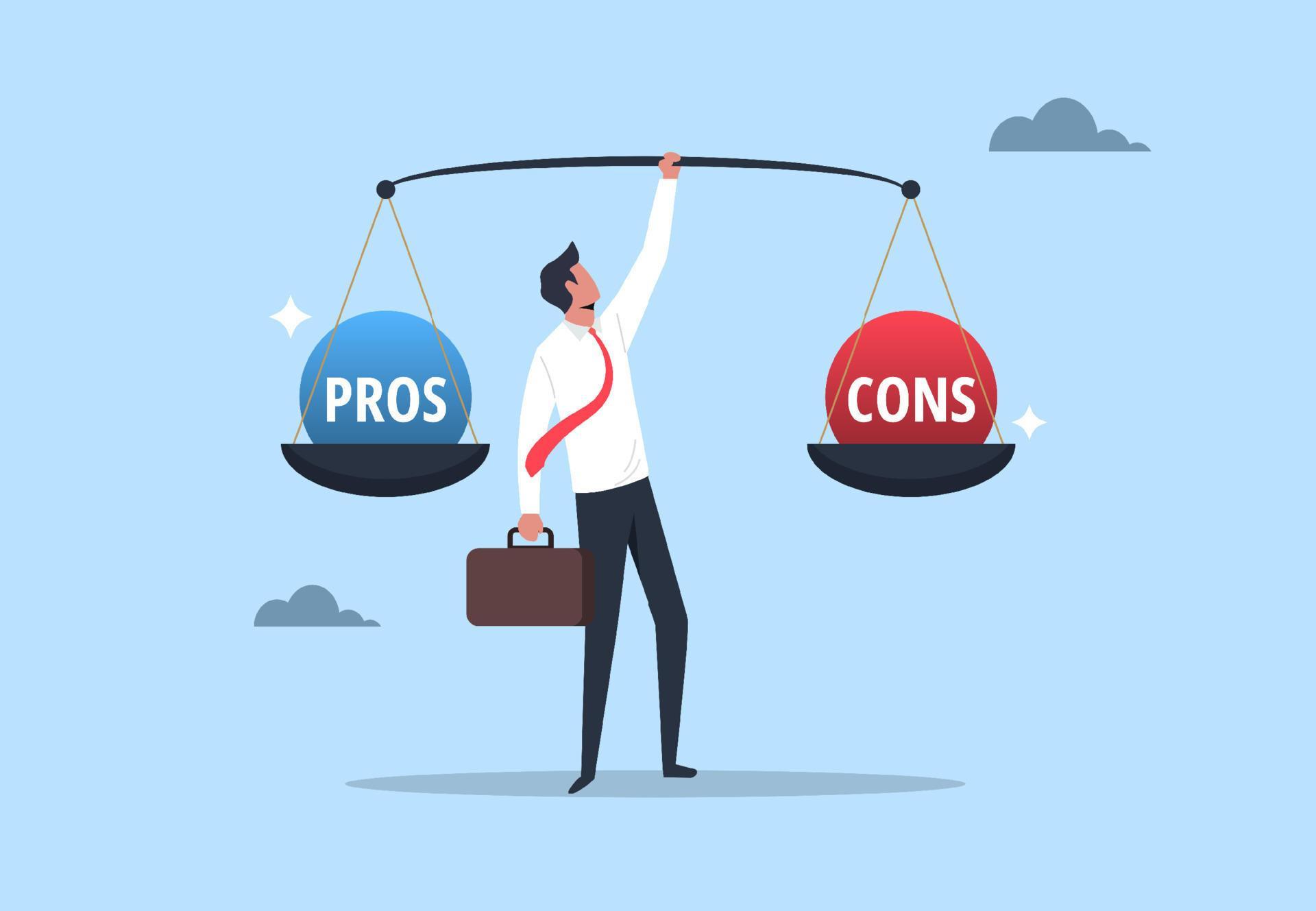
So, which is better – renewable or nonrenewable energy? The truth is, it's not a simple either/or situation. Both have their pros and cons. We need to find a way to balance our energy needs with the need to protect our planet. This means investing in renewable energy technologies, improving energy efficiency, and reducing our reliance on fossil fuels. It's a complex challenge, but it's one that we can – and must – tackle together!
What do you think? Is a completely renewable future possible? I'd love to hear your thoughts!