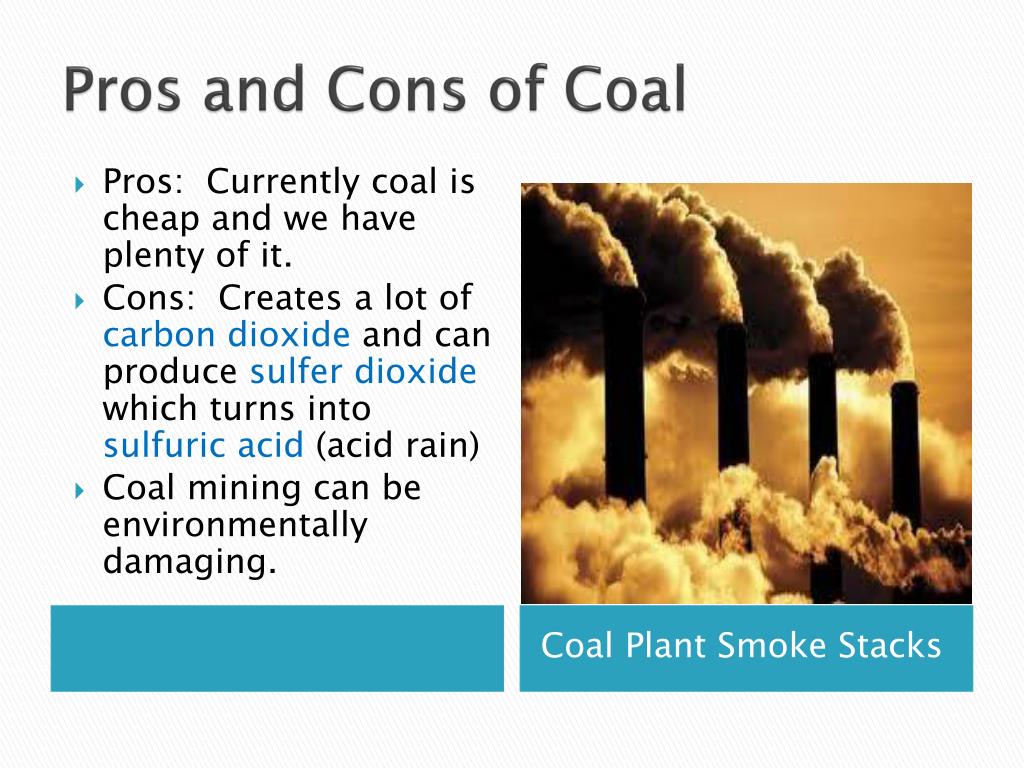
Okay, so coal electricity. We've all heard about it, right? Maybe seen a picture of a giant power plant belching smoke (kinda dramatic, but you get the idea!). But is it all doom and gloom, or are there some, dare I say, *silver linings*? Let's grab a metaphorical coffee and hash it out.
The Good Stuff: Coal's Winning Strengths
First up, the pros. And trust me, back in the day, these were *big* pros.
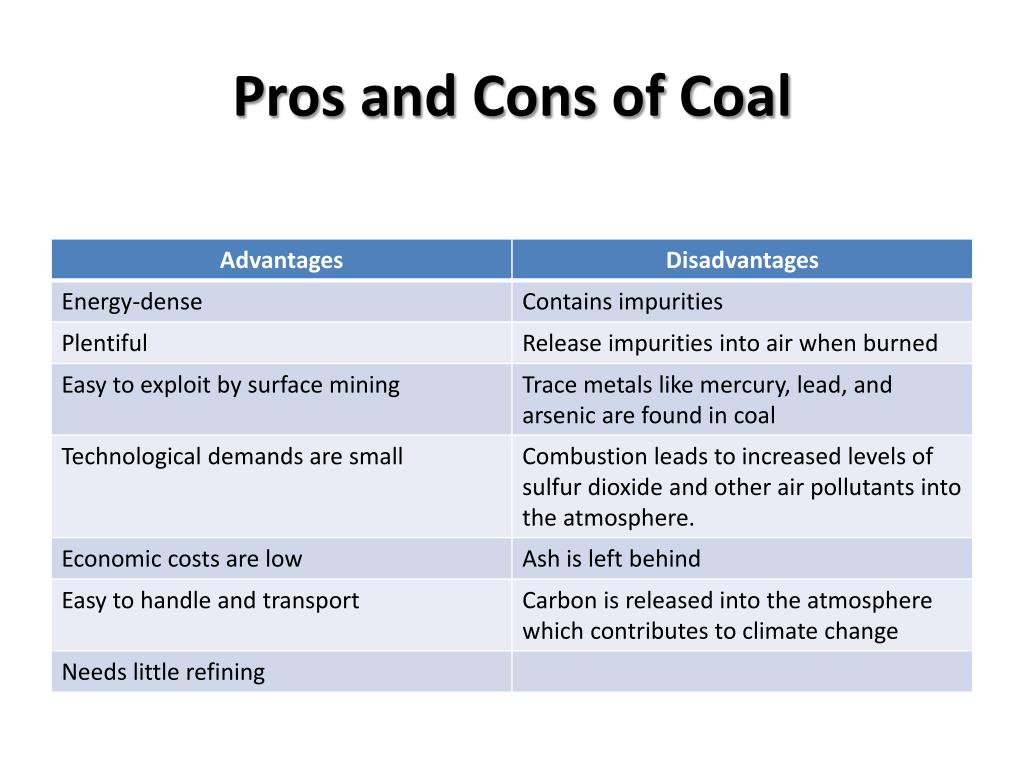
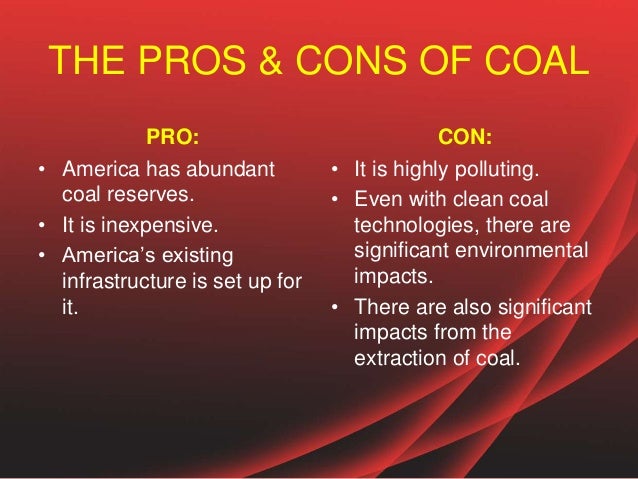
Affordable Energy (Sometimes): Coal used to be, and in some places still is, pretty cheap. Think of it as the budget airline of energy. You get where you need to go, but maybe don't expect the champagne service. We're talking relatively low electricity prices for consumers and businesses. I mean, who doesn't love saving a few bucks?
Reliability and Availability: Coal-fired power plants are, well, reliable. They're like that old, dependable car you can *always* count on. You can store coal pretty easily, so there's always a supply ready and waiting. Unlike, say, solar panels that need sunshine (duh!) or wind turbines that need… well, wind! No sun? No wind? No problem, coal's got you covered. (At least, that's the old argument!).
Job Creation (Historically): Okay, so this is more of a historical advantage than a current one. But historically, coal mining and power plant operation created a lot of jobs, especially in certain regions. These jobs were often well-paying and supported entire communities. Is that still the case everywhere? Sadly, not so much. Automation and the shift to other energy sources have definitely changed the landscape.
The Not-So-Good Stuff: Coal's Dark Side
Now, for the cons. Buckle up, because this is where things get a little… well, smoky.
Environmental Impact: Okay, let's address the elephant in the room. Or, maybe, the smog cloud over the power plant? Coal is a *major* contributor to air pollution. Burning coal releases all sorts of nasty stuff into the atmosphere, including greenhouse gases (hello, climate change!), particulate matter (goodbye, clear skies!), and other pollutants that can cause respiratory problems. Not exactly a breath of fresh air, is it?
Health Concerns: Seriously, the air pollution from coal-fired power plants is linked to a whole host of health problems. Think asthma, heart disease, and even cancer. And it's not just the people living near the plants who are affected; the pollution can travel long distances. So, even if you live miles away, you could still be breathing in the consequences. Yikes!
Mining Dangers: Let's not forget where the coal *comes* from. Coal mining can be a dangerous job, with risks of accidents, cave-ins, and long-term health problems like black lung disease. It's a tough, demanding profession, and the environmental impact of mining can be significant, too, like disturbing landscapes and polluting waterways. It's a heavy price to pay for cheap energy, isn't it?
Ash Disposal: And what about all that ash left over after you burn the coal? We're talking *mountains* of ash! Storing and disposing of coal ash can be a real headache, and if it's not done properly, it can contaminate soil and water. Nobody wants to drink coal ash-flavored water, right?
So, What's the Verdict?
Look, the truth is, coal electricity is a complex issue. It's got some definite advantages (mostly historical, it has to be said), but it also comes with some *serious* drawbacks. The big question is: can we afford to continue relying on coal when there are cleaner, more sustainable energy sources available? Maybe we should think of coal like that old, dependable car – reliable, sure, but maybe it's time to trade it in for a more fuel-efficient model. What do *you* think?