Alright, picture this: you're ready to hit the road for that weekend getaway, keys in hand, visions of sunshine and adventure dancing in your head. You turn the key... and nothing. Just a pathetic "click-click-click." Yep, dead battery. We've all been there, haven't we? It's like your phone dying right when you're about to snap that perfect sunset picture. Major bummer.
That's why knowing how to properly charge your car battery is actually a surprisingly useful life skill. Think of it as a little act of self-reliance, like knowing how to change a tire or make a decent cup of coffee. It saves you time, money, and that dreaded feeling of being stranded.
Why Bother Learning This Stuff?
Okay, let's be honest: car stuff can seem intimidating. But charging a battery isn't rocket science. It's more like... baking cookies. You follow a recipe (the instructions), use the right ingredients (the right tools), and you get a delicious result (a working car!). Plus, regularly charging your battery can extend its lifespan. Imagine having to replace your phone battery every six months! Investing a little time now saves you a big headache (and a hefty bill) later.
Also, consider this: a weak battery can cause all sorts of weird electrical gremlins in your car. Your radio might act up, your headlights might dim, or your car might just generally feel sluggish. Keeping your battery happy keeps your car happy.
The Gear You'll Need (It's Not Scary, Promise!)
Don't worry, you don't need a degree in electrical engineering. All you really need are a few basic things:
- A Battery Charger: Think of this as the oven for our cookie analogy. Get one that's specifically designed for car batteries. They come in different types (trickle chargers, smart chargers, etc.), so read the instructions carefully to choose the right one for your needs. A smart charger is usually a good bet for beginners because it automatically adjusts the charging rate and prevents overcharging.
- Safety Glasses: We're dealing with electricity and potentially battery acid, so protect those peepers!
- Gloves: Rubber or nitrile gloves will protect your hands from acid and grime.
- A Wrench (maybe): You might need a wrench to loosen the battery terminals if they're really stuck on there.
- Water and Baking Soda: In case of accidental acid spills, this neutralizes the acid. (Hopefully you won’t need it!).
The Step-by-Step (Cookie Recipe Time!)
Here's the breakdown, nice and easy:
- Safety First! Put on your safety glasses and gloves. Make sure your car is turned off and the parking brake is engaged. Work in a well-ventilated area. Batteries produce hydrogen gas, which can be explosive.
- Locate the Battery: Usually it's under the hood, but sometimes it's in the trunk or even under the back seat. Check your owner's manual if you're unsure.
- Clean the Terminals (if necessary): If the terminals are corroded (that white or blue stuff), clean them with a wire brush or a terminal cleaning tool. A baking soda and water paste also works in a pinch.
- Disconnect the Battery Cables: Always disconnect the negative (-) cable first, then the positive (+). This prevents short circuits.
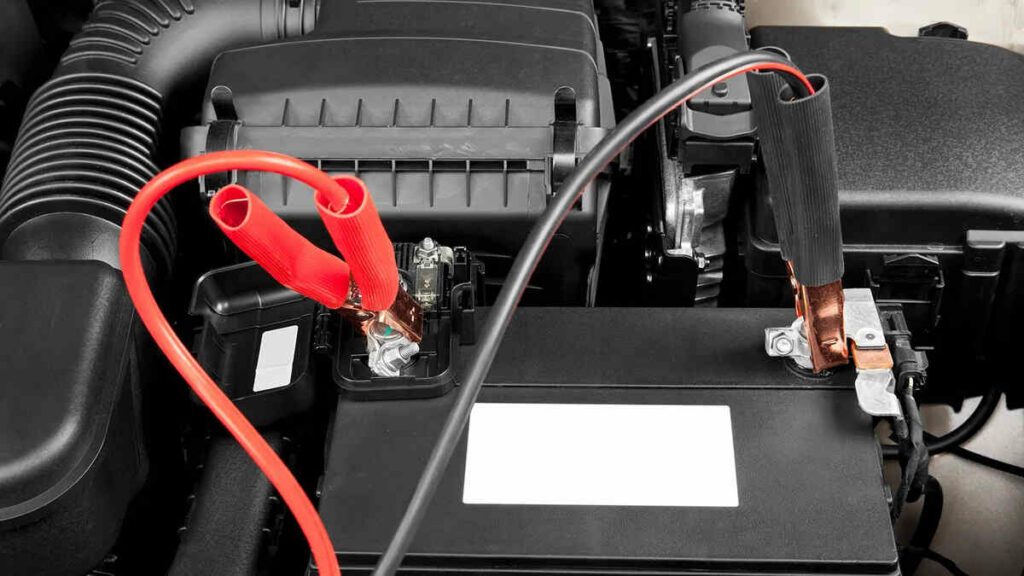
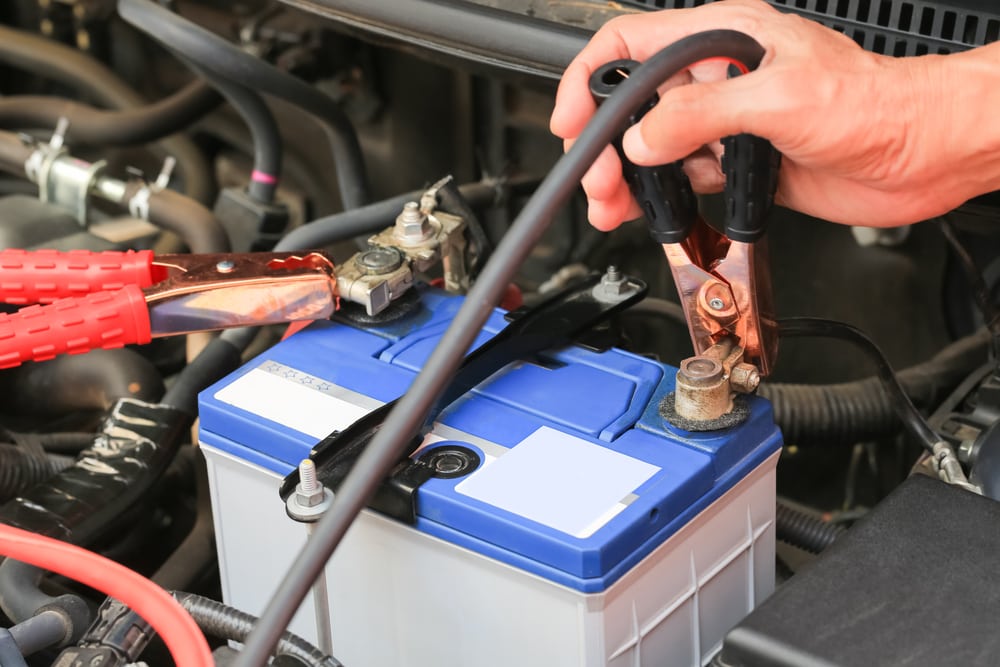
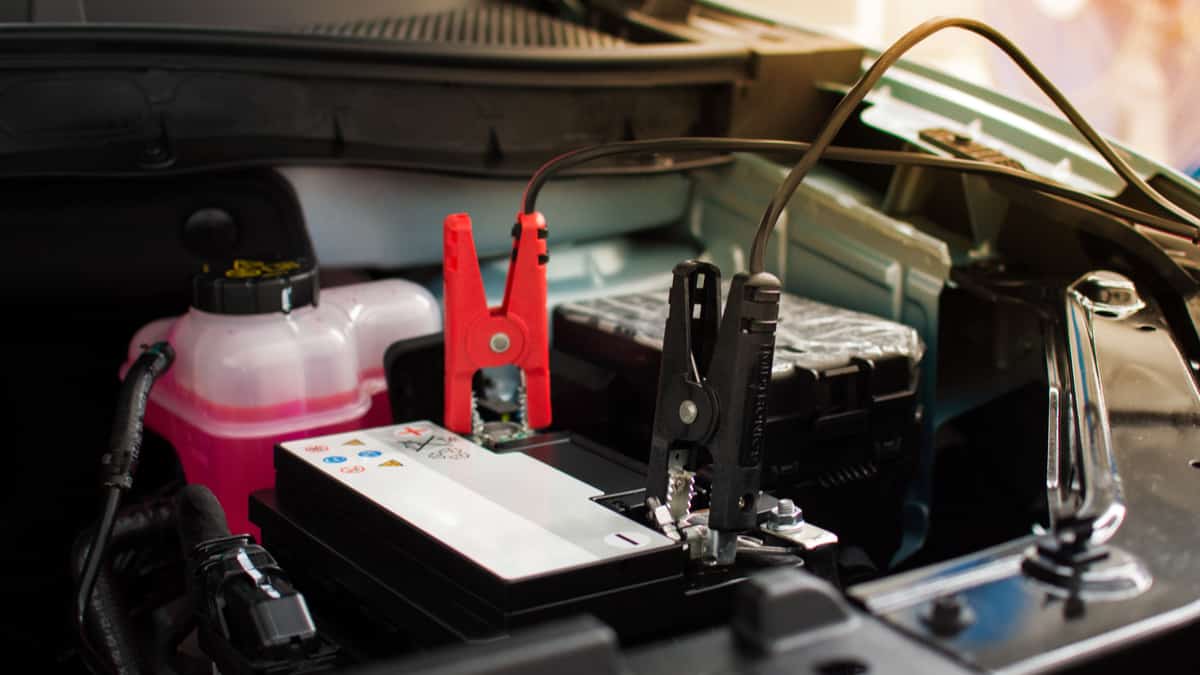
- Connect the Charger: Attach the charger clips to the battery terminals. Red (+) to positive, black (-) to negative. Double-check to make sure you have it right! Getting this wrong can damage your battery or the charger.
- Set the Charger: Follow the instructions that came with your charger. Usually, you'll need to select the voltage (12V for most car batteries) and the charging rate (amps). A lower amp setting is usually gentler on the battery. If you have a smart charger, it will often do this automatically.
- Let it Charge: This can take anywhere from a few hours to overnight, depending on how depleted your battery is and the charging rate. Again, follow your charger's instructions. Smart chargers will often have an indicator light to tell you when the battery is fully charged.
- Disconnect the Charger: Once the battery is charged, disconnect the charger clips.
- Reconnect the Battery Cables: Reconnect the positive (+) cable first, then the negative (-).
- Start Your Car: Cross your fingers and turn the key! Hopefully, you'll hear that sweet, sweet sound of your engine roaring to life.
A Few Extra Tips (The Secret Ingredient!)
- Don't Overcharge: Overcharging can damage your battery. That's why a smart charger is so useful – it automatically stops charging when the battery is full.
- Check Your Battery Regularly: Use a voltmeter to check your battery's voltage. A healthy battery should read around 12.6 volts.
- Cold Weather is the Enemy: Cold weather can drain your battery quickly. Consider using a battery maintainer during the winter months.
- If in Doubt, Ask a Pro: If you're not comfortable working on your car, don't hesitate to take it to a mechanic. It's better to be safe than sorry.
So, there you have it! Charging your car battery isn't as scary as it seems. With a little preparation and a few simple steps, you can keep your battery happy and avoid those dreaded dead-battery moments. Now go forth and conquer the road (with a fully charged battery, of course!). And remember, like baking the perfect cookies, practice makes perfect! So, next time you're facing a sluggish start, you'll be ready to roll.