Ever thought about sunshine powering your stuff? I mean, really powering it, not just giving you a tan. It's not science fiction, folks! We're talking about turning light directly into electricity. And guess what? It's all thanks to some tiny particles.
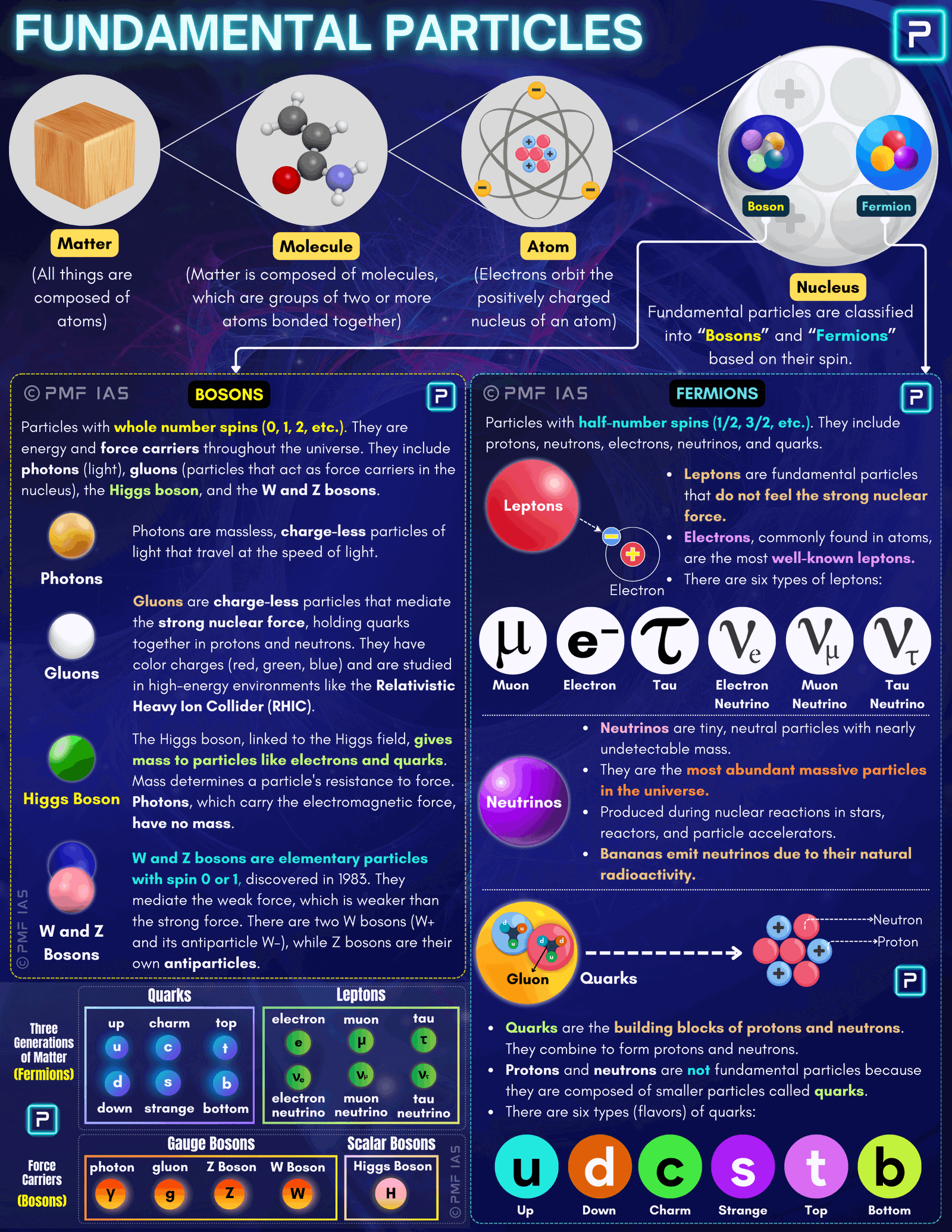
Producing electricity from light involves the use of particles called photons. Yep, photons. Sounds like something from Star Trek, right? But they're totally real, and they're the key to unlocking the sun's energy for our everyday lives.
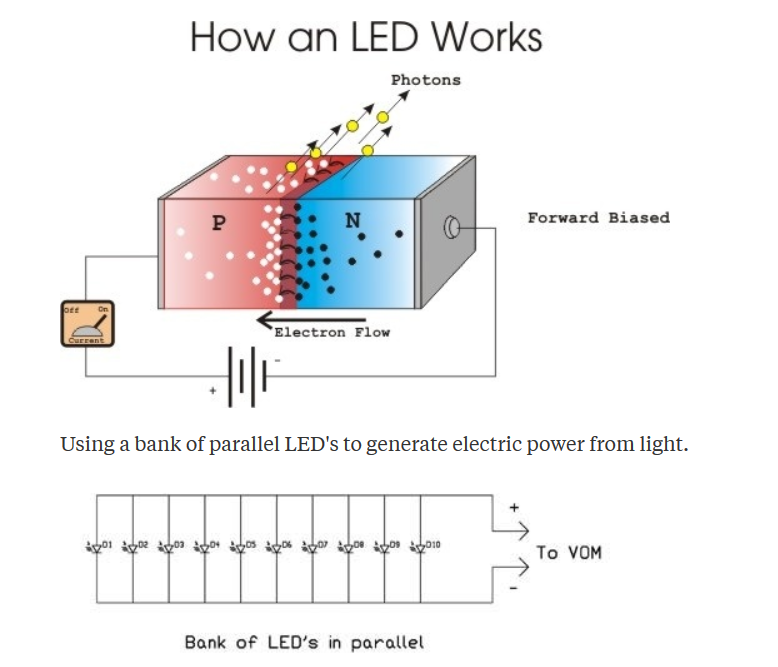
So how does it work? Imagine a tiny bouncy ball (that's your photon!) smacking into a special surface. This surface is usually a material called a semiconductor, like silicon. When the photon hits, it's like a tiny game of pool. The photon's energy gets transferred to the silicon, knocking loose some electrons.
Electrons are like tiny, negatively charged race cars just waiting for a green light. The "light" in this case is the photon's energy. Once they're loose, these electrons start zipping around, creating an electric current. And that current? That's the electricity that powers your lights, your phone, and maybe even your car someday!
It's Like a Tiny, Awesome Chain Reaction!
The coolest thing is that this whole process happens almost instantly. Light hits, electrons move, electricity flows. No clunky generators, no noisy turbines, just pure, clean energy converted directly from light. It's like magic, but it's actually science! And what makes it so entertaining? Well, for starters, it's just inherently cool. Harnessing the power of the sun to do our bidding? That's seriously awesome.
Think about it: those solar panels on rooftops aren't just sitting there looking pretty. They're silently and constantly collecting photons and turning them into usable energy. They’re like miniature power plants, working tirelessly to keep our world running. Each photon that hits a solar panel is contributing to something bigger.
And the best part? Sunlight is practically unlimited! It’s a renewable resource that won't run out anytime soon (at least not until the sun goes supernova in a few billion years – but let's not worry about that right now). Using photons to generate electricity is a sustainable way to power our future, reducing our reliance on fossil fuels and helping to protect the planet.
But wait, there's more! Solar technology is constantly improving. Scientists and engineers are working hard to make solar panels more efficient, cheaper, and easier to install. They're finding new materials that can absorb more photons and convert them into even more electricity. It's a field full of innovation and excitement, with new breakthroughs happening all the time.
Maybe you're thinking, "Okay, this sounds cool, but what can I do?" Well, you don't have to be a scientist to appreciate the power of photons. You can support companies and organizations that are working to advance solar technology. You can educate yourself and others about the benefits of solar energy. And maybe, just maybe, you can even consider installing solar panels on your own home.
Every little bit helps. Every photon counts. And who knows? Maybe one day, we'll all be living in a world powered entirely by the sun. Now that's a bright idea, don't you think?
So, the next time you see a sunbeam, remember those tiny particles, the photons, buzzing with energy. They're not just pretty; they're powerful. They're the key to a cleaner, brighter, and more sustainable future. And that's something to get excited about!
Think of photons as tiny messengers delivering sunlight's energy directly to our devices. That's pretty neat!
Who knew something so small could have such a big impact? It's proof that even the tiniest things can make a world of difference. So go out there and soak up the sun – and remember to thank those amazing photons for all their hard work!