Hey there, energy explorers! Ever wondered about that mysterious rumbling beneath your feet? No, not an earthquake (hopefully!), but a potential power source that's been simmering since the Earth was just a wee, molten ball of rock: geothermal energy! Think of it as Mother Earth's own central heating system, and we're just tapping into it. Sounds cool, right? Well, buckle up, because we're about to dive into the hot (and not-so-hot) facts about this fascinating energy source.
The Good Stuff: Geothermal's Superpowers
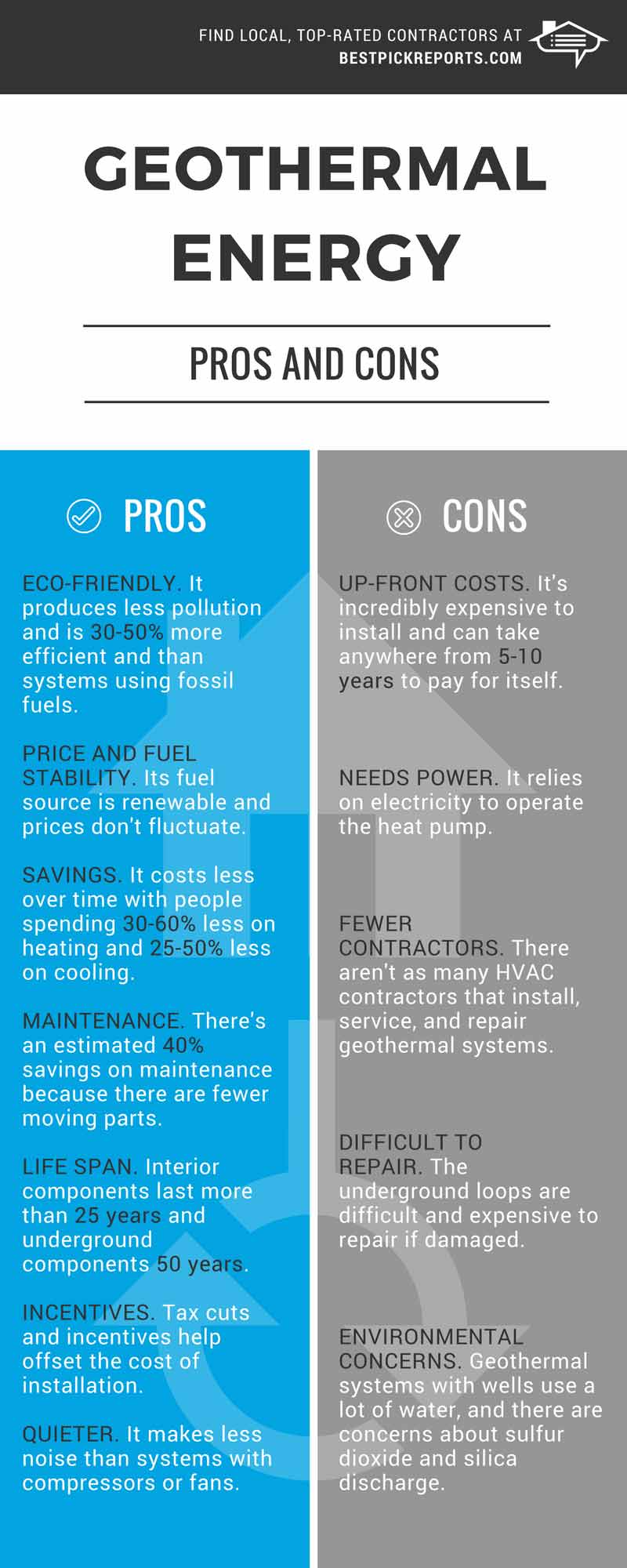
Let's start with the sunshine and rainbows, shall we? Geothermal energy boasts some seriously impressive superpowers. First up: reliability. Unlike solar, which takes a nap when the sun goes down, or wind, which can be a bit fickle, geothermal is a 24/7, 365 kind of energy. It's like that super dependable friend who's always there to lend a hand (or, in this case, electricity).
Think of it this way: You're planning a movie night, but the wind dies down, leaving your wind turbine powered TV useless. But if you are using geothermal energy? The power is flowing, the popcorn is popping, and you're all set for a comfy night in! That's the beauty of this earth powered energy!
Secondly, it's relatively clean. Sure, building a geothermal plant does have an environmental impact, but once it's up and running, it produces far fewer greenhouse gases than fossil fuels. It's like trading in your gas-guzzling monster truck for a sleek, electric scooter. A definite improvement for our planet!
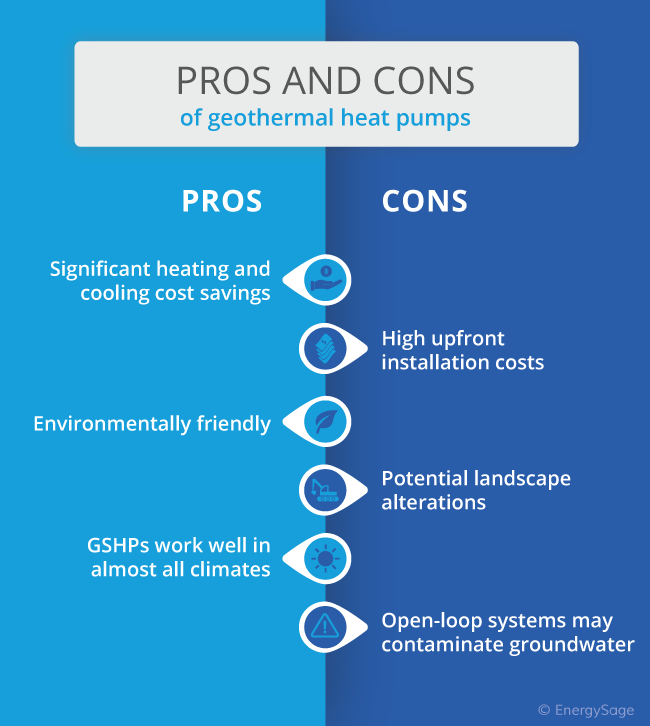
Thirdly, geothermal can be incredibly efficient. Geothermal heat pumps, for example, can be used to heat and cool homes. They work by tapping into the constant temperature of the earth a few feet underground. So, in the winter, they pull heat from the ground to warm your house, and in the summer, they pull heat from your house and dump it back into the ground. It's like magic, but with science! And it saves you a ton of money on your energy bills. Plus, it is incredibly useful in agriculture to assist in keeping green houses constantly warm.
Geothermal Everywhere!
And the potential uses are mind-blowing! Beyond electricity and heating, geothermal can be used for everything from aquaculture (think happy, geothermally-heated fish farms!) to industrial processes. It’s a versatile energy source that is only growing.
The Not-So-Good Stuff: Geothermal's Kryptonite
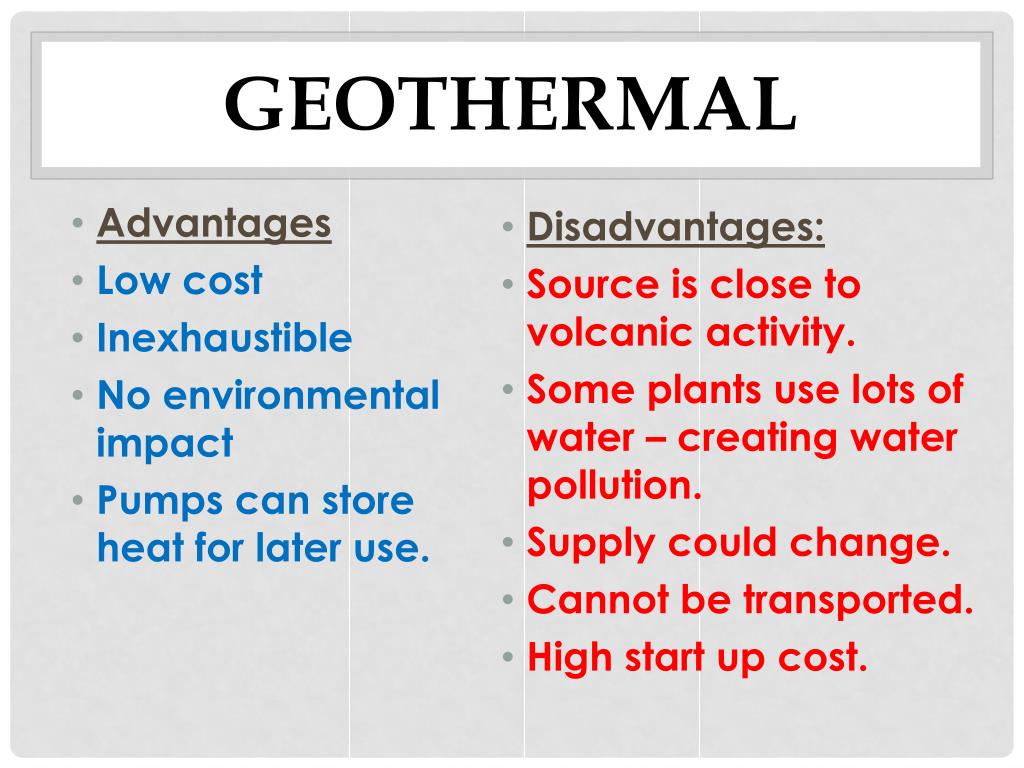
Okay, okay, enough with the sunshine and roses. Let's be real, geothermal isn't perfect. Like any superhero, it has its weaknesses. First, location, location, location! You can't just plop a geothermal plant anywhere. You need to be in an area with high geothermal activity, like near volcanoes or hot springs. This limits where geothermal energy can be harnessed.
"Finding a good spot for a geothermal plant is like finding the perfect avocado: rare and precious!"
Secondly, the initial cost can be high. Building a geothermal plant is a big investment. It requires drilling deep into the earth, which can be expensive and technically challenging. It's like building a skyscraper: you need a solid foundation and a lot of specialized equipment.
Thirdly, there's the potential for environmental concerns. Geothermal plants can release small amounts of greenhouse gases, like carbon dioxide and hydrogen sulfide (which smells like rotten eggs, yuck!). There's also the risk of triggering earthquakes, although this is rare and usually only happens in areas with existing seismic activity. Plus, the land must be properly cared for, in order to make sure the land is still properly healthy and fertile.
Finally, let's talk about that "rotten egg" smell. While modern plants are much better at controlling emissions, the occasional whiff of hydrogen sulfide can be a bit…unpleasant. It's like living next to a garlic factory – you get used to it, but it's never exactly delightful.
The Verdict: Is Geothermal Worth It?
So, is geothermal energy a superhero or a supervillain? The answer, as always, is complicated. It has the potential to be a clean, reliable, and efficient energy source, but it also has its limitations and environmental concerns. Ultimately, the decision of whether or not to use geothermal energy depends on a variety of factors, including location, cost, and environmental impact.
However, with continued research and development, geothermal energy could play a significant role in our clean energy future. It's a powerful force, literally bubbling beneath our feet, just waiting to be harnessed. And who knows, maybe one day we'll all be living in geothermally-heated homes, powered by the Earth's own internal furnace. Now that's something to get excited about!