Alright, gather 'round, folks, because we're about to unravel one of life's great mysteries: the plus and minus signs on your car battery. I know, I know, it sounds about as thrilling as watching paint dry, but trust me, we'll make it fun. Think of it as decoding a secret message, only instead of finding buried treasure, you'll find... well, your car starting. Which, let's be honest, is pretty valuable treasure these days.
So, you pop the hood, and there they are, staring back at you like two judgmental robots: the plus (+) and the minus (-). They look innocent enough, right? But mess them up, and you're in for a world of sparky frustration. We’re talking potential fireworks, folks! Not the fun, celebratory kind. More like the "oh dear, I think I just fried something expensive" kind.
The Positive Side of Things (Literally)
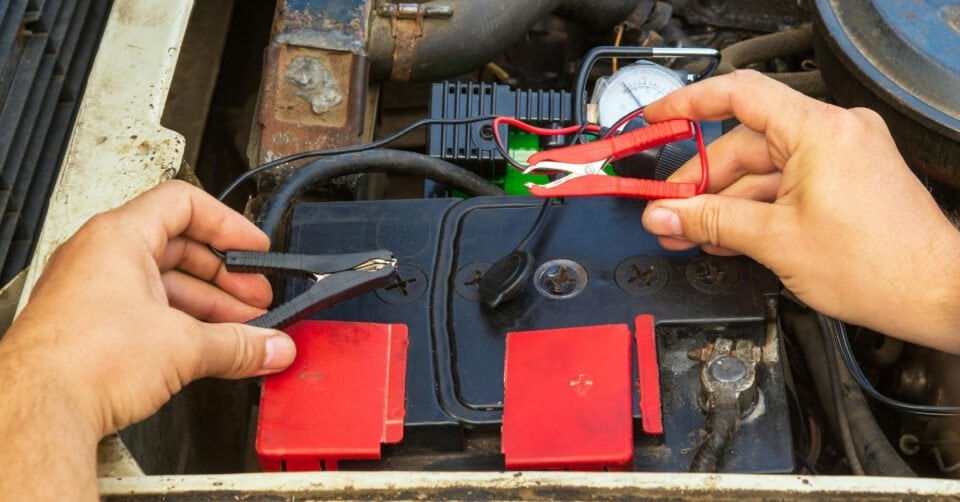
Let's start with the plus (+), the positive terminal. Think of it as the eternal optimist of the battery world. Always ready to pump out that sweet, sweet electron flow. It’s usually marked with a big, friendly plus sign. Sometimes it's even red, just to make absolutely sure you get the memo. Red equals go! Go get that electricity flowing! Go buy some coffee! Go… anywhere, really, as long as you get your car started first.
Now, here's a fun fact: the positive terminal is generally slightly larger than the negative. Why? To make it even harder to accidentally connect the wrong cable! Because apparently, color-coding and big plus signs weren't quite foolproof enough for some of us. I'm not naming names, but… we all know someone who's done it. Right? (Please tell me I'm not the only one…)
The Negative Nelly (Also Necessary)
Next up, we have the minus (-), the negative terminal. Don't let its grumpy face fool you; it's just as important as its positive counterpart. It’s the grounding force, the responsible adult of the battery party. Often marked with a minus sign (duh!) and usually black. Think of it as the earth, providing a path for all those electrons to return home after their little adventure powering your radio and windshield wipers. And that's where your car chassis usually comes into play; the battery ground is typically connected to the chassis.
Without the negative terminal, those electrons would be like kids at a birthday party with no parents – all hyped up and nowhere to go. And trust me, you don't want a bunch of loose electrons running wild in your car. Bad things happen. Like… very, very bad things. Again, think sparks and possibly a smoky smell that lingers for weeks, reminding you of your mistake every time you turn on the ignition.
Why Does It Even Matter? (The Sparky Truth)
Okay, so why all the fuss about plus and minus? What happens if you accidentally connect the cables backwards? This is where things get… exciting. In the least desirable way. Reversing the polarity – that's the fancy term for hooking up the cables backwards – can send a surge of electricity through your car's electrical system. Think of it as trying to force a square peg into a round hole, only instead of a peg and a hole, it's electricity and… well, everything electrical in your car.
The result? Blown fuses, fried electronics, and possibly even damage to your car's computer. And nobody wants to anger the car computer. It's like the brain of your vehicle, and a fried brain is never a good thing. Imagine having a bad headache but for your car! Plus, there's the potential for the battery itself to… well, let's just say it's not pretty. Batteries don't like being mistreated. They tend to retaliate. Usually with acid. Never a good day when battery acid gets involved.
A Foolproof (Almost) Guide to Avoiding Battery Mishaps
So, how do you avoid this electrical apocalypse? Simple: pay attention! Seriously, that's 90% of the battle. Here are a few tips to keep you on the straight and narrow:
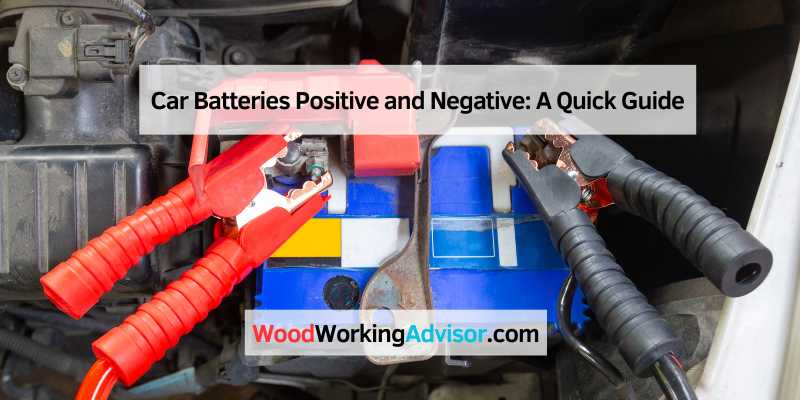
- Color-coding is your friend: Red for positive, black for negative. Embrace the color. Love the color. Live the color.
- Size matters: Remember, the positive terminal is usually slightly larger.
- When in doubt, read the manual: Yes, I know, nobody actually reads those things. But sometimes, just sometimes, they contain useful information.
- Double-check everything: Before you connect anything, take a deep breath and make sure you're doing it right. It's better to be safe than sorry (and electrically fried).
- If all else fails, call a professional: There's no shame in admitting defeat. Sometimes, it's best to leave the electrical work to the experts. They have the tools, the knowledge, and the insurance to deal with any potential sparks.
And there you have it! The plus and minus of car batteries, demystified. Now go forth and conquer your dead battery, armed with your newfound knowledge. Just remember to be careful, pay attention, and maybe wear some safety goggles. You know, just in case those electrons decide to get a little too enthusiastic. Good luck, and may the spark be with you!