Hey there, plasma cutting pal! Ever feel like your plasma cutter's more fizzle than sizzle? Yeah, we've all been there. Let's chat about plasma cutter tips and electrodes – you know, the unsung heroes (or villains, depending on the day) of clean cuts.
Picking the Right Tip: Size Matters (and So Does Amperage!)
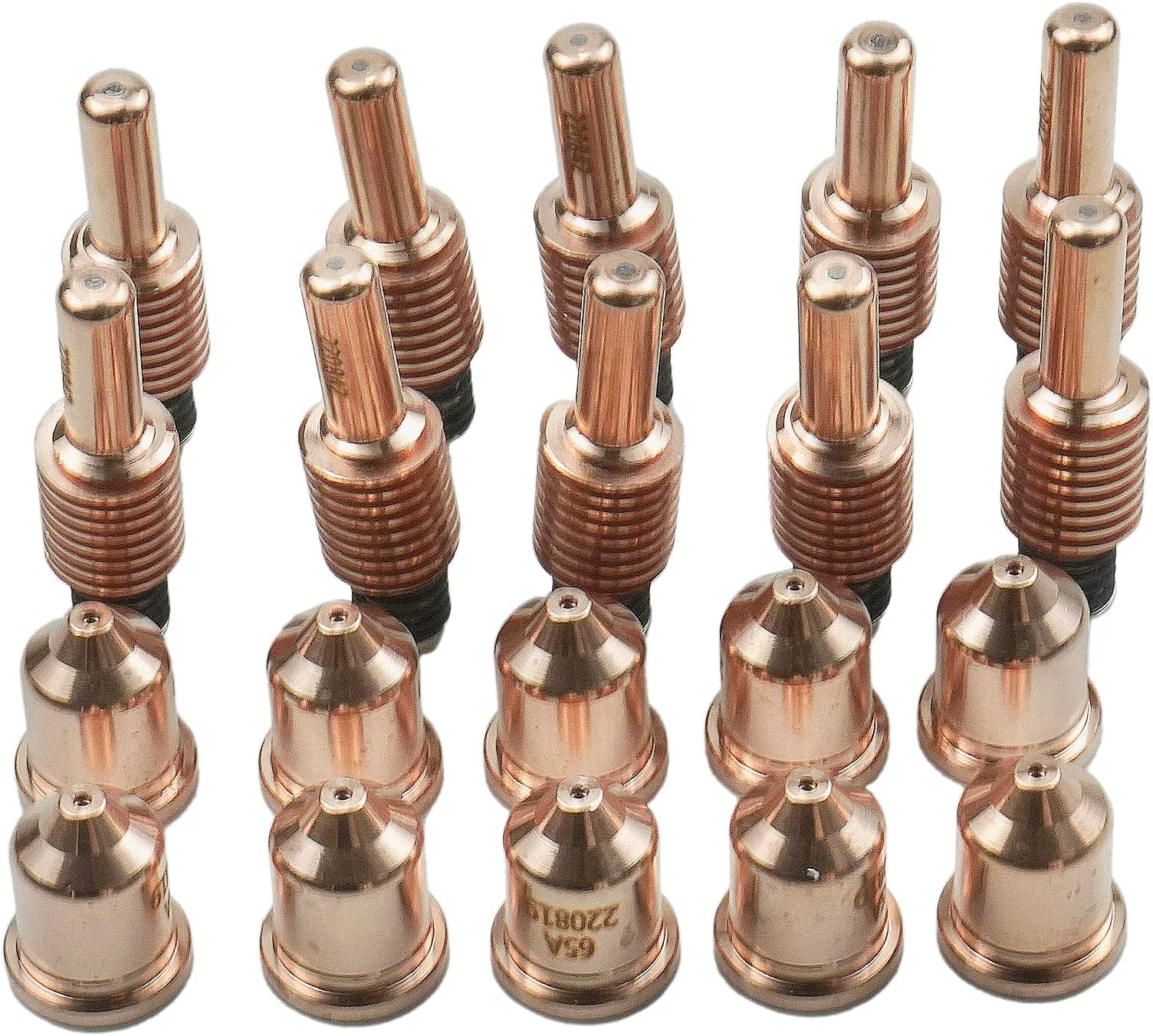
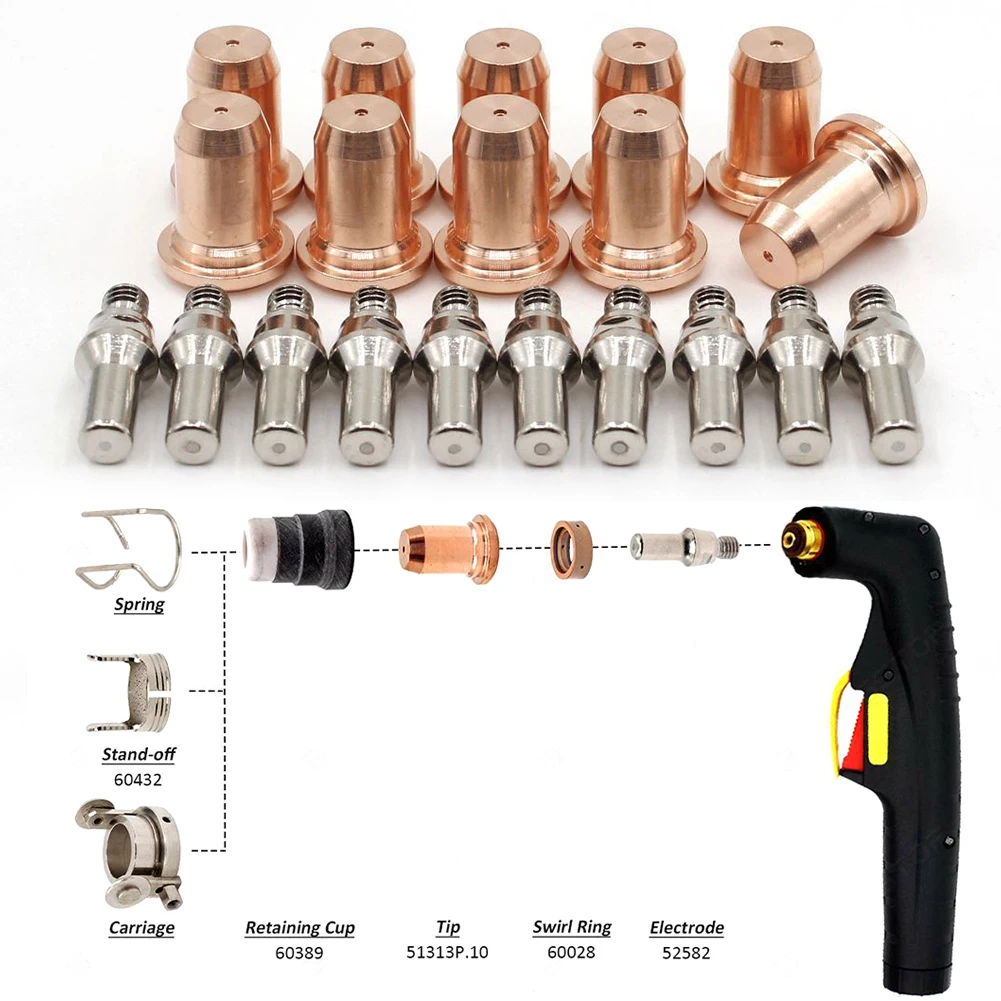
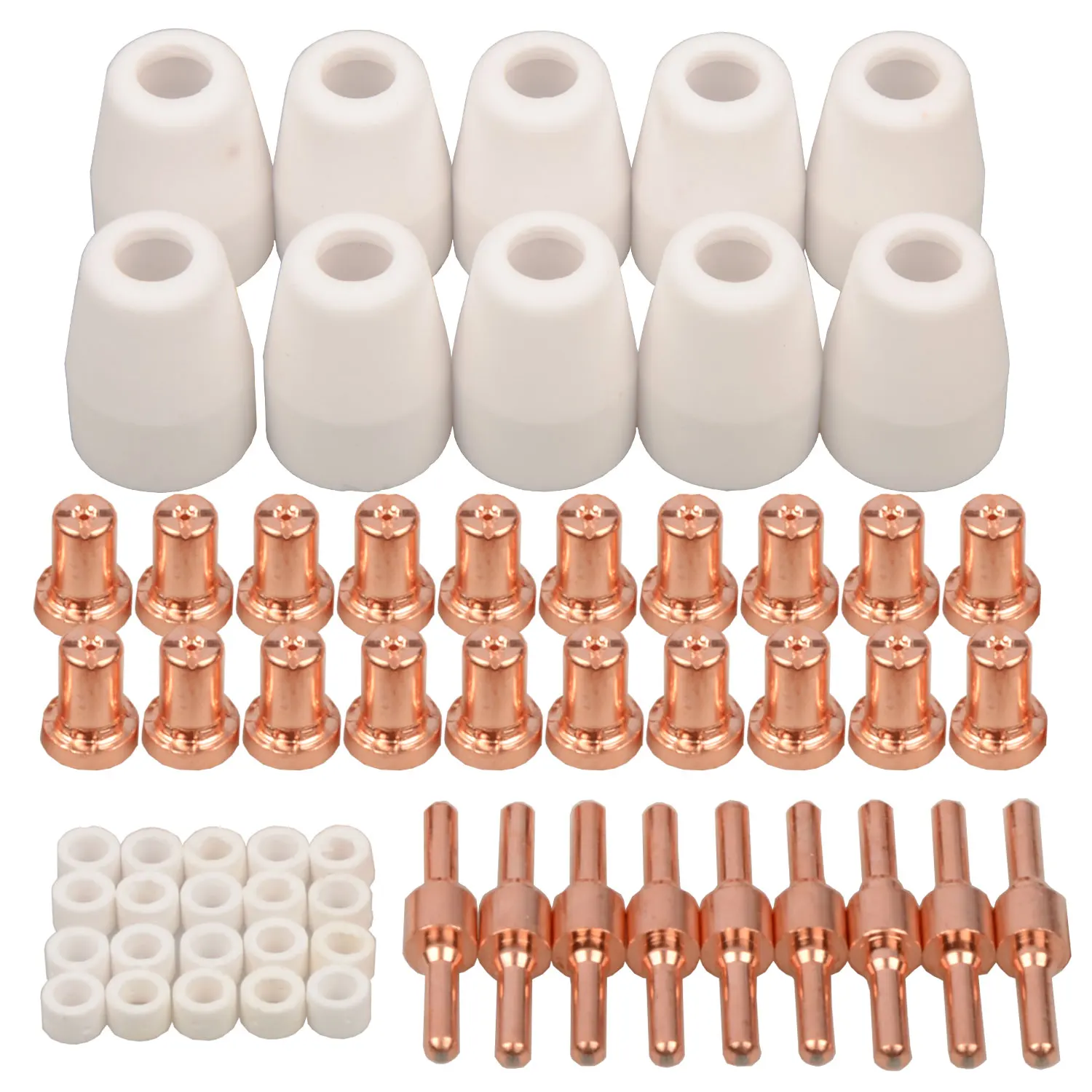
First things first: tip size. It's not a one-size-fits-all situation, unfortunately. Think of it like choosing the right screwdriver for the job. Too small, and you'll strip the head (or, in this case, get a messy, wobbly cut). Too big, and... well, you probably won't even be able to get the screw in. Or, the plasma to start! See the analogy?
Each tip is designed for a specific amperage range. Running too much amperage through a tip that's not designed for it? Kiss that tip goodbye. It'll melt faster than ice cream on a summer afternoon! Seriously. Check your cutter's manual (yes, actually read it!) and match the tip to the material thickness and amperage you're using. It's the easiest way to avoid frustration – and wasted money.
Oh, and speaking of amperage, are you always running your cutter at full blast? Sometimes dialing it down a bit, especially on thinner materials, can give you a cleaner cut and prolong the life of your tip and electrode. Just sayin'.
Electrodes: The Silent Partners in Crime (of Cutting)
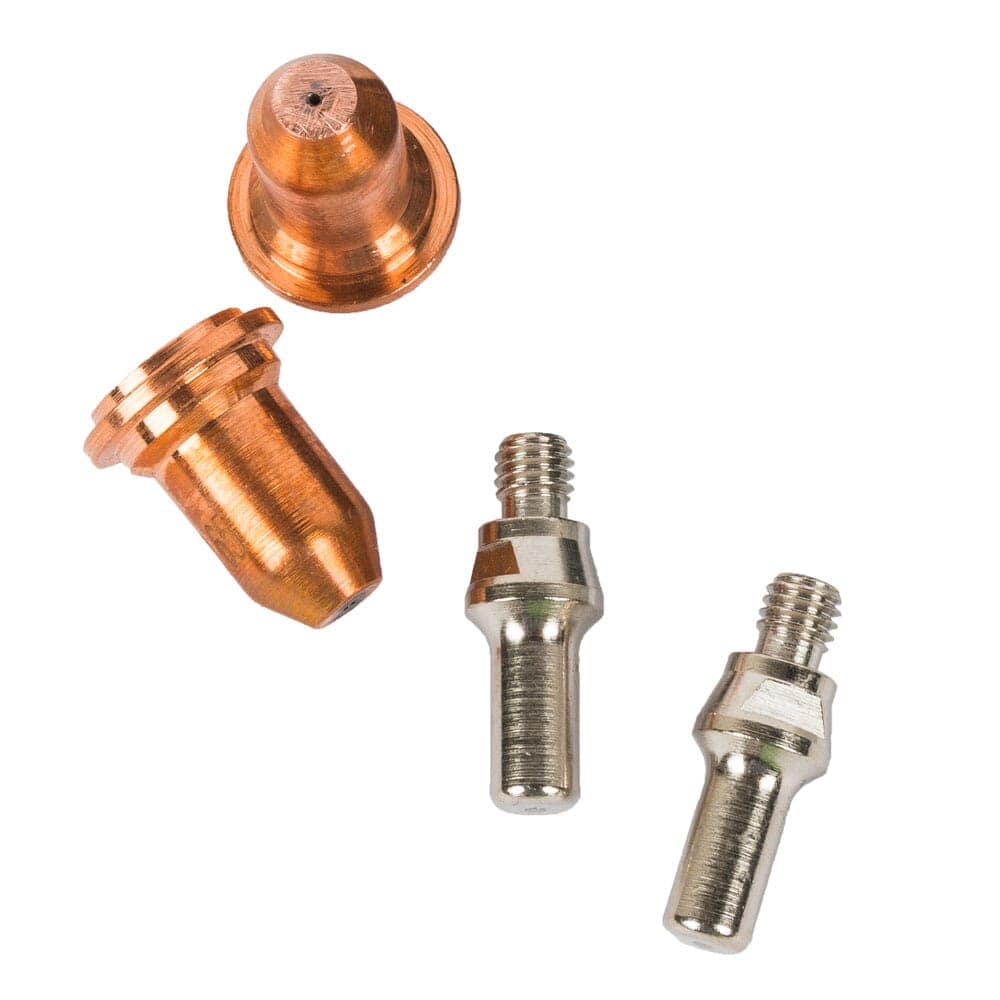
Okay, let's talk electrodes. These little guys are just as crucial as the tips. Think of them as the spark plug in your plasma-cutting engine. A worn-out spark plug? No go. Same with a worn-out electrode. You'll get weak, sputtering arcs and generally sad-looking cuts. Nobody wants that!
Electrode wear is inevitable, it's a consumable after all. But you can definitely prolong their lifespan. Keep 'em clean, make sure your air is dry and free of contaminants (more on that later), and don't run them past their prime. How do you know when they're past their prime? Good question! Look for excessive pitting, discoloration, or a generally haggard appearance. They'll tell you when they're done, trust me.
Pro Tip: Replace your electrode and tip together. It's like replacing the tires on your car – doing just one is kinda pointless, right? You want the whole system working optimally.
Clean Air, Happy Parts (and Cuts)
I mentioned clean air earlier. Let me hammer that home: dry, clean air is the KEY to plasma-cutting happiness! Moisture and oil in your air line are like kryptonite to your tips and electrodes. They'll corrode them, shorten their lifespan, and give you all sorts of cutting headaches.
Invest in a good air dryer and filter. Seriously. It's worth every penny. Think of it as an investment in your sanity (and your wallet, long-term). You can get inline filters, or even whole-shop systems. The drier and cleaner the air, the happier your plasma cutter will be. And a happy plasma cutter means happy cutting!
Standoff Distance: Don't Get Too Close (or Too Far)
Standoff distance. The Goldilocks of plasma cutting. Too close, and you'll risk damaging the tip and electrode. Too far, and you'll get a wider, less precise cut. You want it just right. Generally, you want to drag the tip lightly across the surface of the material. Some tips even have a built in drag shield for just this reason!
Play around with it and find what works best for your machine and your material. Practice makes perfect, right? (Even if "perfect" just means "not completely terrible" sometimes.)
Final Thoughts: Keep 'Em Cool (and Clean!)
So, there you have it. A few (hopefully) helpful tips for keeping your plasma cutter tips and electrodes in tip-top shape. Remember to choose the right size tip, replace your electrodes and tips together, and keep your air clean. Oh, and don't be afraid to experiment a little! Every machine is different, and every cutter has their own preferences.
Now go forth and cut some metal! And remember, if things go south, it's probably just the electrode's fault. Blame the electrode!