Okay, picture this: You're baking a cake. A glorious, chocolate-fudge-dream-come-true cake. You meticulously follow the recipe...mostly. But then you get to the eggs. The recipe calls for two, but you think, "Hey, more eggs equals more richness, right?" So you chuck in, like, five. Boom! Cake-tastrophe! It comes out rubbery, dense, and tastes vaguely of chicken coop.
That, my friends, is kind of what happens when you overfill your engine oil. But instead of a sad cake, you get a potentially sad engine. And nobody wants that. We're talking about the heart and soul of your car here! Let's say, just for giggles, you've accidentally poured in a whopping 1.5 liters too much oil. That's like giving your engine a triple espresso when it only asked for a decaf. What happens then? Let's dive in!
The Sloshing Oil Sea
Imagine your engine is a finely tuned orchestra. Every part is playing its role perfectly. But suddenly, a rogue tuba player (that's the excess oil) starts blowing so loud that everyone else can't hear themselves. The crankshaft, that spinning superhero in your engine, is now wading through a sea of oil. It's supposed to be gently skimming the surface, splashing just enough to lubricate things. But now it's churning the oil into a frothy milkshake of doom!
Think of it like this: you're trying to run a marathon. You're feeling good, hitting your stride... then someone straps on a pair of those giant clown shoes. Suddenly, every step is a struggle, you're tripping over yourself, and your pace has gone from "impressive athlete" to "wobbly toddler." That's your engine with too much oil. It's working harder than it needs to, and that's never a good thing.
Foamy Oil: Not as Fun as it Sounds
All that churning action creates foamy oil. And foamy oil is basically useless. It's like trying to wash your hands with bubbly air. It doesn't lubricate properly. And when parts aren't properly lubricated, they start rubbing against each other. And rubbing things together really fast usually leads to one thing: heat. And we all know what happens when an engine gets too hot, right?
It's like trying to cook a steak in a microwave that's on "high" for an hour. Instead of a juicy, delicious masterpiece, you get a charred hockey puck that even your dog wouldn't touch. Ouch!
Worse still, this frothy mixture can get forced past seals and gaskets. Suddenly, your engine is weeping oil like a heartbroken opera singer. You might see oil leaks springing up in unexpected places. And nobody wants a leaky engine. It's messy, it's bad for the environment, and it makes your car look like it's having a midlife crisis.
The Catalytic Converter Catastrophe
Sometimes, the excess oil can get pushed into the combustion chambers, where it burns along with the fuel. This can foul up your spark plugs, making your engine run rough. It can also damage your catalytic converter. Replacing a catalytic converter is about as much fun as having a root canal... without anesthesia. Trust me, you want to avoid that.
What to Do If You Overfilled
Okay, so you've accidentally added too much oil. Don't panic! We've all been there. Well, maybe not all of us, but let's just pretend we're in this together. Here's what you do:
- Don't drive the car! Seriously, just don't. The longer you drive with too much oil, the more damage you risk.
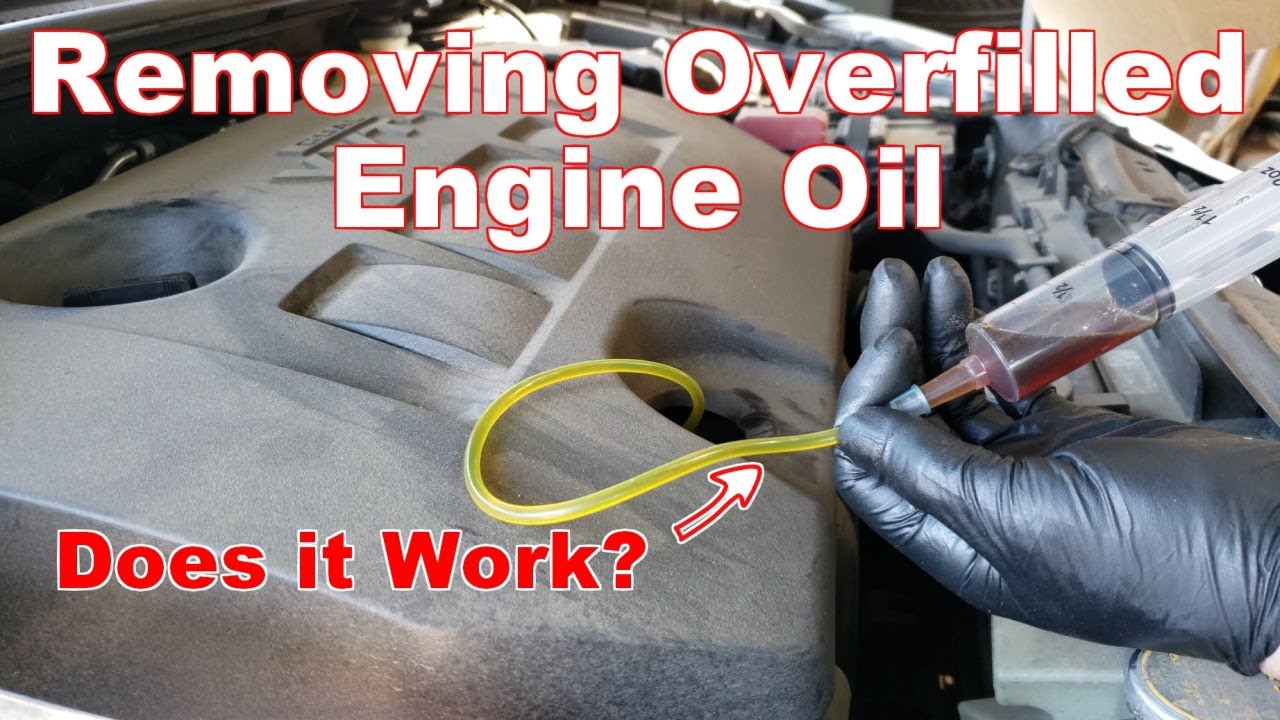
- Get the excess oil drained. This is the most important step. You can try to do it yourself using a siphon or a drain plug, or you can take it to a mechanic. Unless you're confident in your abilities, I'd recommend letting a pro handle it. It's like asking a brain surgeon to bake a cake – they *could* probably do it, but you'd probably be better off with a baker.
So, next time you're topping off your oil, remember the lesson of the over-egged cake and the overly enthusiastic oil pour. A little bit of caution can save you a lot of headache (and money!) down the road. And remember, your engine will thank you for it.