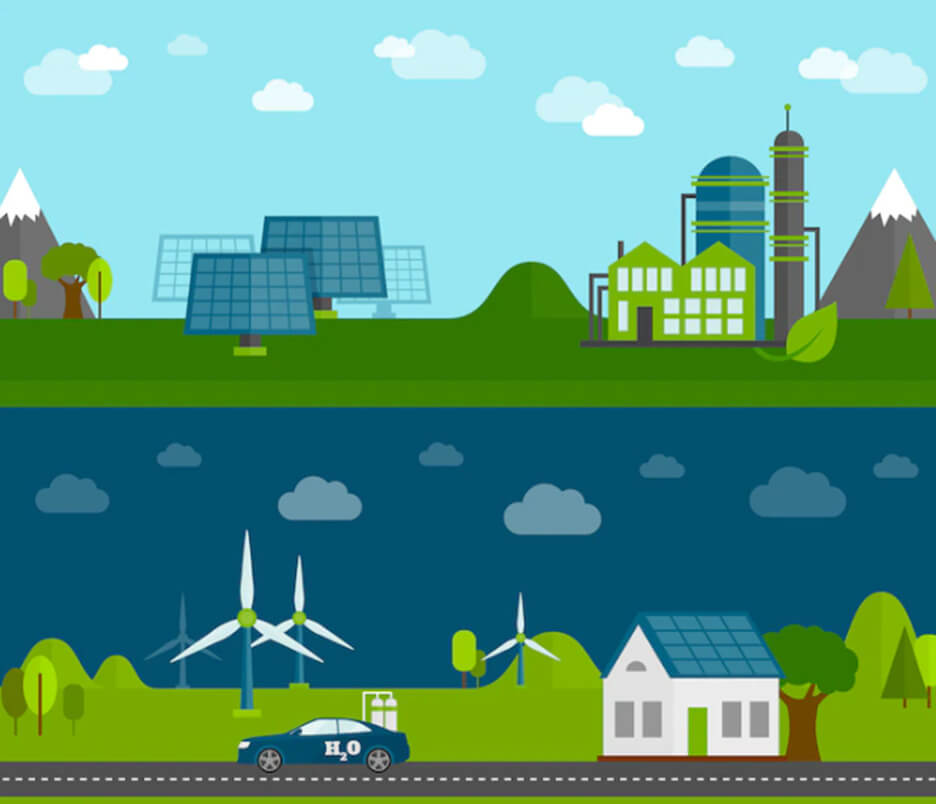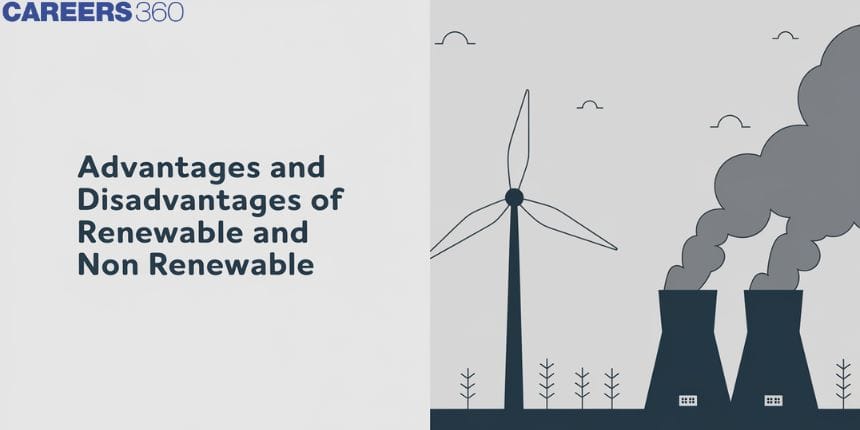
Okay, let's talk energy! We're not diving into complicated physics equations here. Instead, let's consider energy like ingredients in a giant recipe. Some ingredients are plentiful, readily available, and give you a quick boost. That's kind of like our non-renewable energy sources. They've been the go-to for a long time, powering our world and fueling incredible innovations. But like any good recipe, it’s crucial to understand the pros and cons of each ingredient.
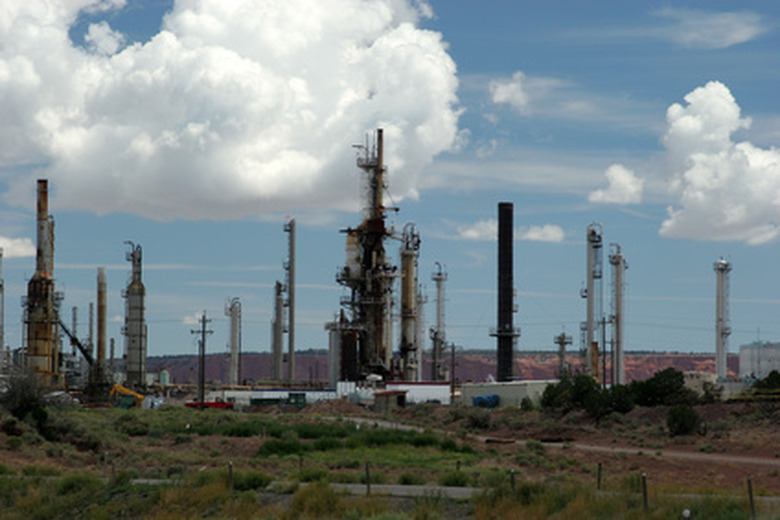
For the creatively inclined, understanding non-renewable energy is like knowing your color palette. Knowing the qualities – where these resources excel and where they fall short – helps you appreciate the grand scale of human innovation and the challenges we face. Think about it: understanding how coal powered the Industrial Revolution can inspire steampunk art and design! Learning about oil refineries might spark an interest in industrial photography, capturing the stark beauty of these massive structures. Even simply knowing about the energy needs of modern society can fuel discussions and artistic expression around themes of progress, sustainability, and the future.
Let's break down the advantages: First, high energy density. A small amount of fossil fuel can produce a lot of power. This made rapid industrialization possible and allowed for efficient transportation systems. Second, established infrastructure. We've spent decades building power plants, pipelines, and refineries, creating a vast and well-understood network. Third, relative affordability (historically). For a long time, non-renewable energy was cheaper to extract and process than alternatives, making it accessible for widespread use.
Now, the disadvantages – the shadows on our palette: Environmental impact. Burning fossil fuels releases greenhouse gases, contributing to climate change. Mining and drilling can disrupt ecosystems and cause pollution. Finite resources. These sources are, well, non-renewable! Once we use them up, they're gone. Political instability. Control over these resources can lead to geopolitical tensions and conflicts.
So, how can you explore this at home? You might not be building a miniature oil rig in your backyard (please don't!), but you can research different types of power plants. Compare the energy output of a coal-fired plant versus a nuclear power plant. Create a collage depicting the environmental impact of oil spills. Write a short story about a world powered entirely by renewable energy. These simple activities can bring abstract concepts to life and fuel your imagination.
Ultimately, learning about non-renewable energy is enjoyable because it connects us to the bigger picture. It's about understanding the forces that have shaped our world, the challenges we face, and the opportunities we have to create a more sustainable future. It’s about being informed, engaged, and empowered to make a difference, even in small ways. And who knows? Maybe your newfound knowledge will inspire your next artistic masterpiece!