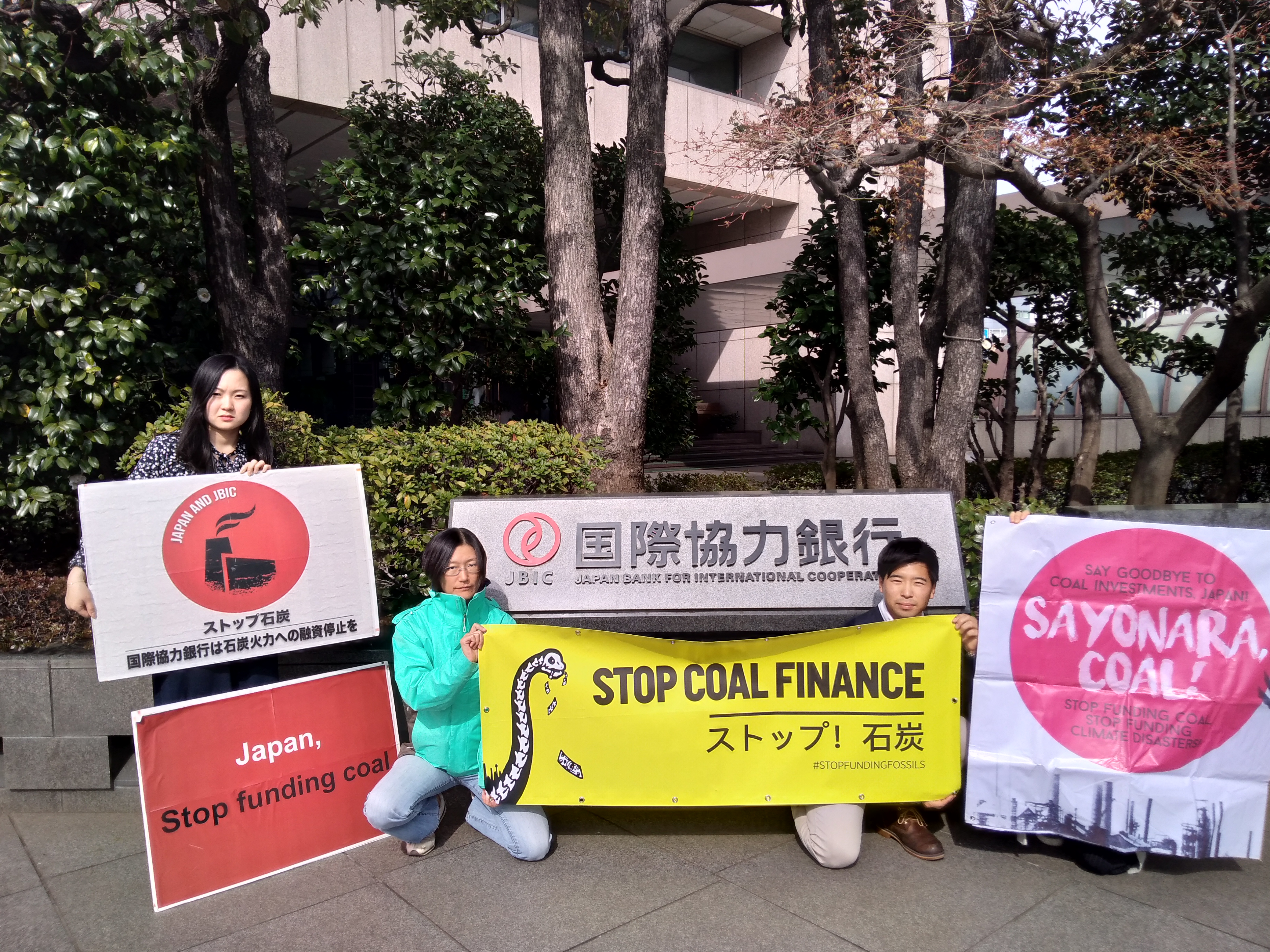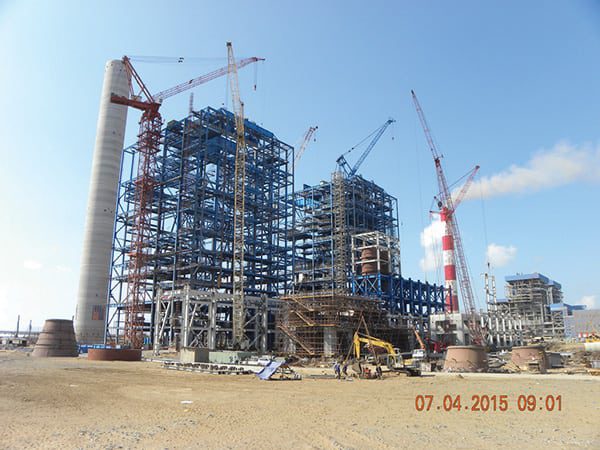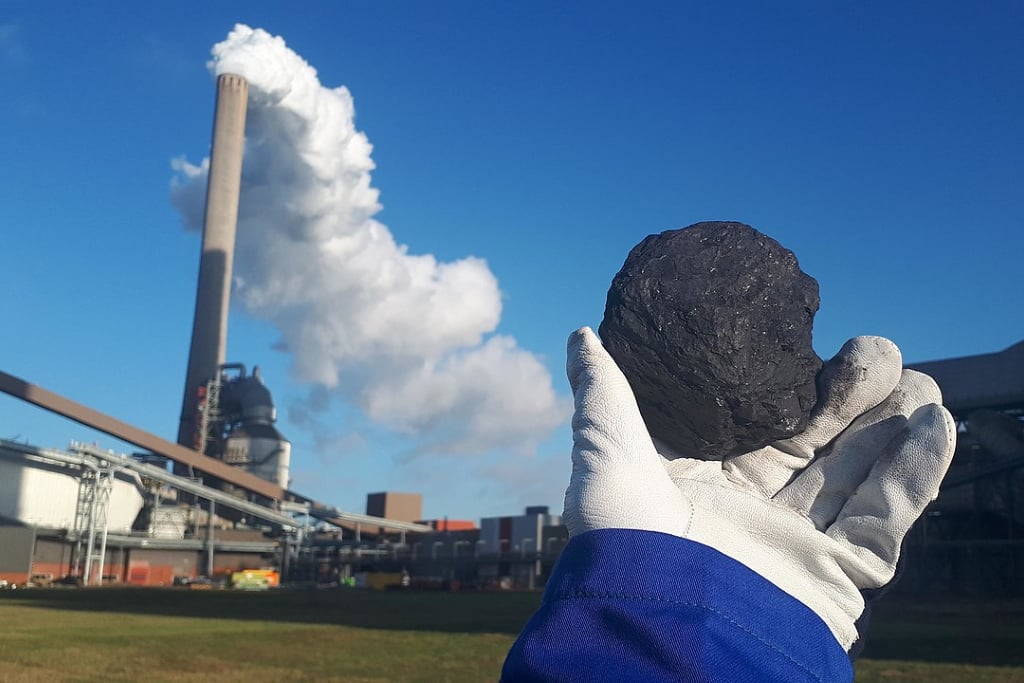
Okay, let's talk about something that affects all of us, whether we realize it or not: coal power plants. Now, I know what you're thinking: coal? Isn't that like, really old school? And, yeah, in a way it is. But it’s also a major player in providing electricity around the world, including places like Vietnam. Understanding its impact is crucial, especially as we grapple with climate change and seek cleaner energy alternatives. It’s like understanding the history of cars before you can appreciate the electric revolution!
So, what exactly is the point of a coal power plant? Simply put, it burns coal to heat water, which creates steam. This steam then spins a turbine connected to a generator, producing electricity. The benefit, historically, has been its relatively low cost and availability compared to other energy sources. For developing countries like Vietnam, it has offered a pathway to rapid industrialization and economic growth by providing a reliable and scalable source of power.
However, here's the catch – and it's a big one. Coal-fired power plants come with a significant environmental cost. They release a cocktail of pollutants into the atmosphere, including sulfur dioxide (SO2), nitrogen oxides (NOx), particulate matter (PM), and, most significantly, carbon dioxide (CO2), a major greenhouse gas. These pollutants contribute to acid rain, respiratory problems, and, of course, climate change.
Take Vietnam, for example. Several studies have documented the negative impacts of coal power plants on the country's environment and public health. Studies have shown increased rates of respiratory illnesses in communities near coal plants. A 2016 study by Harvard University, for example, estimated that air pollution from coal plants in Vietnam contributes to thousands of premature deaths each year. Furthermore, the ash generated from burning coal can contaminate soil and water resources, impacting agriculture and ecosystems.
The effects of coal plants aren't just a distant problem; they touch our lives in tangible ways. For instance, think about the air quality warnings during heat waves. A lot of that is due to the increased demand for electricity (often powered by fossil fuels like coal) and the pollutants they release. Or consider the impact on food prices. Acid rain, caused partly by coal emissions, can damage crops, leading to lower yields and higher prices.
So, how can you explore this topic further? You can start by looking up air quality data for your local area and comparing it to areas with more or fewer coal power plants. Read articles and reports from organizations like Greenpeace, the World Resources Institute, and the International Energy Agency. Even just watching documentaries about climate change can offer a broader perspective on the role of coal.
Think about your own energy consumption. Are there ways you can reduce your reliance on electricity generated from fossil fuels? Simple things like switching to energy-efficient appliances, turning off lights when you leave a room, and supporting renewable energy initiatives can make a difference. Even small changes, when multiplied across a population, can have a significant impact. Understanding the complexities of energy production and consumption is the first step towards a more sustainable future. We have to consider the long-term environmental impacts of our choices when it comes to energy.