Ever felt like the world's running out of stuff? We hear so much about dwindling natural resources, especially when talking about energy. It's easy to think that every single watt of power needs to be ripped from the Earth, dug up, or chopped down. But what if I told you that's not entirely true? What if some of our energy tech dances to a different, more sustainable tune? That's what we're diving into – exploring the fascinating reality that natural resources are not a prerequisite for all energy production.
Why bother learning about this? Well, for starters, it's empowering! Understanding where our energy comes from, and the possibilities for the future, helps us make informed choices. It allows us to look beyond the doom-and-gloom headlines and see a landscape brimming with innovation. And let's be honest, it's just plain cool to learn about technology that's a little bit sci-fi, a little bit magical, and a whole lot sustainable. The purpose of these technologies is to tap into readily available, often naturally replenishing, sources of energy, minimizing our reliance on finite resources and mitigating environmental impact. Think of it as moving away from extracting energy and towards *harnessing* it.
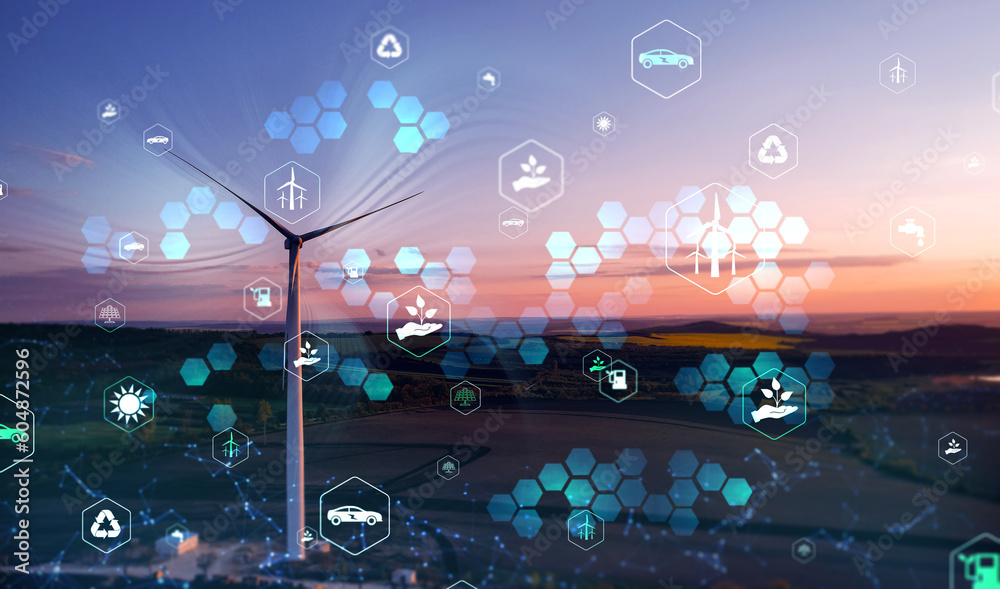
One prime example is solar energy. While manufacturing solar panels does require resources, the energy source itself – the sun – is practically limitless and freely available. Your rooftop solar panels are converting sunlight directly into electricity, circumventing the need to burn fossil fuels or split atoms of uranium. Similarly, wind energy harnesses the kinetic energy of moving air. Wind turbines convert that motion into electricity, again, without depleting a tangible, finite resource. The wind keeps blowing (mostly!), offering a perpetually renewable source of power. Geothermal energy, too, taps into the Earth's internal heat, a vast reservoir that's constantly being replenished by radioactive decay within the planet.
These technologies are finding their way into education in exciting ways. Schools are installing solar panels, not just to save money on electricity bills, but also as living labs for students to learn about renewable energy systems. Children are building miniature wind turbines in science class, understanding the principles of energy conversion firsthand. In our daily lives, we see this everywhere. The phone charger that uses solar power. The electric car that gets its juice from wind farms. The smart home gadgets powered by geothermal energy. These are not futuristic fantasies; they are realities, slowly but surely reshaping our energy landscape.
Want to explore this further? Start by simply observing. Look around your neighborhood for solar panels. Visit a local park with wind turbines. Research the energy sources powering your community. A simple online search for "renewable energy projects near me" can reveal surprising opportunities for learning and engagement. Consider investing in small-scale renewable energy solutions, like a solar-powered phone charger or garden light. It's a practical way to experience the benefits firsthand and reduce your own reliance on resource-intensive energy sources. By understanding and embracing these technologies, we can pave the way for a more sustainable and energy-independent future.