Okay, let's talk ceramics. You know, those mugs you accidentally-on-purpose break when you're having a *particularly* rough Monday? Or those adorable, yet dust-collecting, figurines your grandma insists on gifting you? They all start somewhere. And that somewhere often involves a humble, but powerful, mineral.
The Unsung Hero: Feldspar
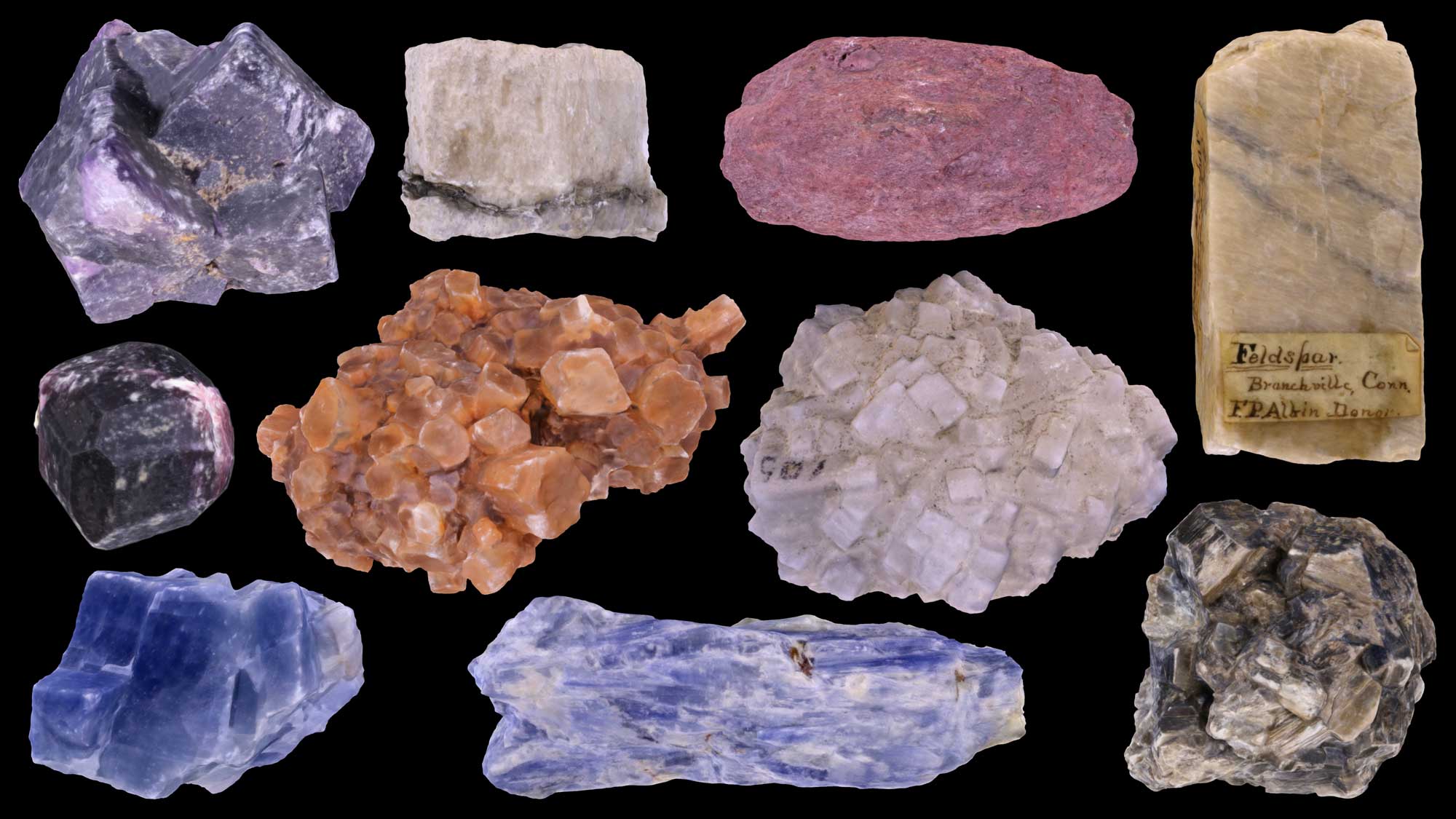
I'm talking about feldspar. Yes, *feldspar*. It doesn’t exactly roll off the tongue like “diamond” or “emerald," does it? I mean, if minerals had a popularity contest, feldspar would be that slightly awkward kid in the corner who's secretly amazing at coding.
And here's my unpopular opinion: feldspar is vastly underrated. We’re obsessed with flashy gemstones, but feldspar is the workhorse of the pottery world. It’s the glue that holds everything together. Literally. It’s a key ingredient in both ceramics and enamels.
Think about it. That smooth, glossy finish on your favorite coffee mug? Thank feldspar. That durable coating on your enamel cookware that *supposedly* prevents food from sticking? Again, feldspar! It's the silent guardian of your kitchen, the unsung hero of brunch.
Feldspar basically acts like a magical melty thing. When heated to high temperatures (which is what happens in a kiln when making ceramics), it melts and forms a glassy bond. This bond is what gives ceramics their strength, durability, and that pleasing, smooth surface. It’s like the mineral equivalent of super glue... but, you know, way hotter and more awesome.
Enamel Adventures
Now, let's venture into the world of enamels. Those brightly colored, often vintage-looking pots and pans? Yep, feldspar's there too. Enamel is essentially a glass coating fused to a metal surface. And guess what helps make that glass? You guessed it – feldspar!
The *enamel* coating isn't just for show. It protects the metal underneath from rust and corrosion. Plus, it gives you a non-reactive surface for cooking, meaning your tomato sauce won't taste like metal (which, trust me, is a good thing). Feldspar is contributing to your culinary enjoyment whether you realize it or not.
And let's be honest, a brightly colored enamel pot just looks darn good on the stovetop. It adds a pop of personality to your kitchen, a little bit of "I've got my life together, even if I just microwaved leftovers for dinner." And we can thank feldspar for making that possible.
Why Isn't Feldspar Famous?
So, why isn't feldspar a household name? Why isn't it gracing magazine covers and inspiring TikTok dances? Maybe it's the name. "Feldspar" sounds a bit…clinical. It lacks the mystique of “amethyst” or the sparkle of “quartz.”
Perhaps if we rebranded it? “Glowstone"? "Shine Shard?" "The Amazing Melty Mineral That Makes Your Mug Awesome?" Okay, maybe I'm not a marketing genius.
But seriously, feldspar deserves some recognition. It's the unsung hero of countless everyday objects. It's the reason your coffee tastes delicious (or at least doesn't taste like clay). It's the reason your grandma's teapot hasn't disintegrated into dust. It's the reason you can bake a lasagna without poisoning your family.
So, the next time you're sipping from a ceramic mug or admiring a vibrant enamel pot, take a moment to appreciate the humble, yet mighty, feldspar. It might not be the flashiest mineral out there, but it's certainly one of the most useful. And in my book, that's worth celebrating. Even if it's just with a silent nod of appreciation to your coffee mug.
And hey, maybe, just maybe, feldspar is secretly judging all those flashier minerals. Silently laughing at their lack of practicality while holding together the very fabric of our ceramic-filled lives.