Ever wondered what happens when you crank up the heat on that trusty PVC pipe? It's not quite as dramatic as a Hollywood explosion, but the science is surprisingly cool! Let's dive into the melting point of PVC and explore why it's more fascinating than you might think.
PVC: Not Your Average Plastic
PVC, or Polyvinyl Chloride, is a super common plastic. You'll find it in plumbing, toys, and even clothing. But what makes PVC special when it comes to heat?
Well, unlike some plastics that soften gradually, PVC has a more defined melting range. Think of it like ice – it stays solid until it hits a certain temperature, then *bam*, it turns to water!
The Magic Number: Melting Point Range
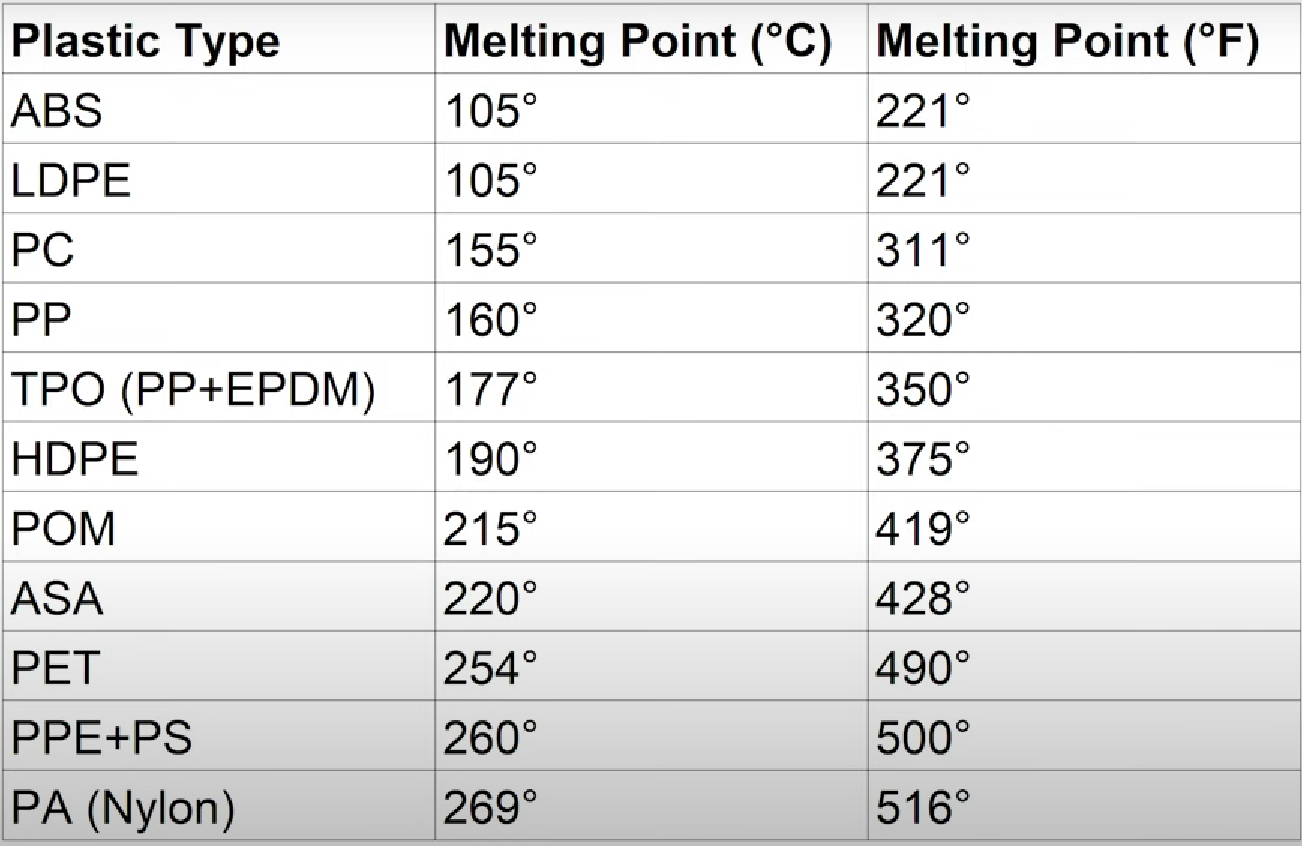
Alright, let's get down to brass tacks. PVC doesn't have one single melting point, but rather a melting *range*. This is typically between 160°C and 180°C (320°F and 356°F).
It's important to note that these are general guidelines. The exact melting point can vary a bit depending on the specific type of PVC and any additives it contains.
Why a Range Instead of a Point?
Good question! PVC is a complex material. It's made up of long chains of molecules, and these chains don't all melt at the exact same temperature.
Some areas might soften first, while others hold their shape longer. This creates a gradual transition, hence the melting range.
Beyond the Numbers: What Actually Happens?
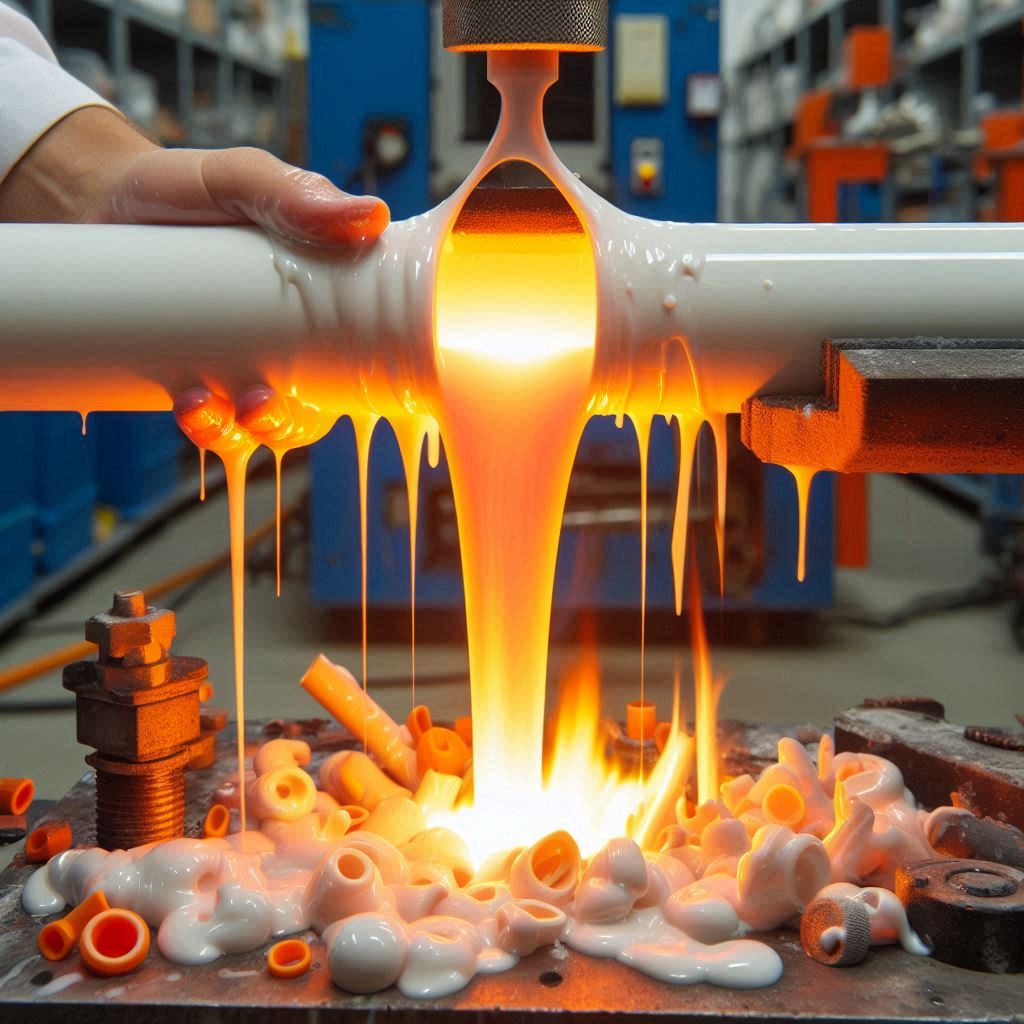
So, what does it *look* like when PVC starts to melt? Picture this: the pipe first becomes pliable and bendable. You can mold it a little, but apply more heat and it starts to lose its form.
Keep going and the PVC will turn into a gloppy, almost syrup-like consistency. It's a far cry from the rigid pipe you started with!
Eventually, with enough heat, PVC will degrade and decompose. It's best not to get to that stage, as nasty chemicals can be released.
PVC and Fire Safety: A Word of Caution
It's crucial to remember that PVC is flammable. While it doesn't ignite easily, it *will* burn if exposed to a flame or high heat source.
Burning PVC releases harmful fumes. So, it's vital to use it responsibly and avoid exposing it to open flames or extreme temperatures.
Always consult local building codes and regulations for proper PVC usage and fire safety protocols.
Fun Facts About PVC and Heat
Did you know that PVC's resistance to heat makes it useful for certain electrical applications? It acts as an insulator, protecting wires from short circuits.
Also, the heat-forming properties of PVC are used in manufacturing. It can be molded into different shapes for all sorts of cool things!
DIY Projects and PVC: Handle with Care!
PVC is a favorite material for DIY projects. It's affordable, durable, and relatively easy to work with.
However, when you're cutting, drilling, or joining PVC pipes, remember heat can become a factor. Friction from tools can generate heat, potentially weakening the pipe or even causing it to melt slightly.
Tips for Safe PVC Handling
Keep your tools sharp to minimize friction. Use proper cutting and drilling speeds to avoid excessive heat buildup.
Consider using a lubricant to reduce friction and dissipate heat. This is especially important when working with thicker PVC pipes.
Melting Point and Recycling: A Sustainable Solution?
Recycling PVC is a growing trend. The melting point plays a role in the recycling process, allowing the plastic to be reformed into new products.
Recycling efforts are focused on innovative technologies to break down and reuse PVC safely and efficiently.
Beyond the Basics: Advanced PVC Applications
Believe it or not, PVC is used in some pretty high-tech applications! From medical devices to aerospace components, PVC's properties make it a versatile material.
Researchers are constantly exploring new ways to enhance PVC's heat resistance and other properties for even more advanced applications.
The Future of PVC: Innovation and Sustainability
The future of PVC looks bright, with a focus on sustainability and innovation. Scientists are working on developing bio-based PVC alternatives and improving recycling processes.
As technology advances, we can expect to see even more creative and environmentally friendly uses for this versatile material.
The Melting Point: A Key Property
Understanding the melting point range of PVC is essential for its safe and effective use. It helps us appreciate its versatility and limitations.
So, the next time you see a PVC pipe, remember there's more to it than meets the eye. It's a material with a fascinating story and a bright future.
In Conclusion: PVC - More Than Just a Pipe!
From plumbing to high-tech applications, PVC's properties make it a valuable material. The melting point is just one piece of the puzzle, but it's a crucial one.
So, next time someone mentions PVC, you can impress them with your knowledge of its melting point and its many fascinating applications! And remember, always handle with care, especially when heat is involved.
Bonus: A Mini Experiment (With Adult Supervision!)
Disclaimer: This experiment should only be conducted by adults with appropriate safety precautions. We are not responsible for any accidents or injuries.
If you're curious about PVC and heat, try this simple experiment: Take a small piece of PVC pipe (scrap is fine) and heat it gently with a heat gun (never an open flame!).
Observe What Happens
Watch closely as the PVC begins to soften and become pliable. Note the temperature at which it starts to deform.
This will give you a firsthand glimpse into the melting behavior of PVC. Remember to wear safety glasses and gloves!
Further Exploration: Beyond the Melting Point
The melting point is just one aspect of PVC's thermal properties. There's also the glass transition temperature, which affects its flexibility at lower temperatures.
If you're truly fascinated by PVC, delve into the world of polymer chemistry and material science. You'll discover a whole universe of fascinating information!
PVC and the Environment: Responsible Use
As with any plastic, it's crucial to use PVC responsibly. Dispose of it properly and support recycling initiatives.
By making informed choices, we can minimize the environmental impact of PVC and ensure its sustainable use for generations to come.
PVC: A Material That Shapes Our World
From the pipes in our homes to the medical devices that save lives, PVC plays a vital role in our modern world. Understanding its properties, including its melting point, is essential for its safe and effective use.
So, the next time you encounter PVC, take a moment to appreciate its versatility and the science behind this remarkable material. It's more than just a plastic – it's a building block of our society.
Remember The Basics!
To sum things up: PVC melts within a range of 160°C and 180°C (320°F and 356°F). Always handle with care and prioritize safety when working with this material and heat.
Enjoy exploring the fascinating world of PVC!