Let's face it: most of us don't spend our weekends dreaming about oil pressure. Cars are wonderful tools, providing freedom and convenience, getting us to work, ferrying kids to school, and enabling adventures. We expect them to just... work. But like any complex machine, your car relies on a delicate balance of systems, and understanding even a little about those systems can save you a lot of headache (and money!) in the long run. One such crucial system involves that silent guardian under the hood: the oil system.
So, why should you care about oil pressure? Well, your engine is essentially a collection of moving metal parts rubbing against each other at incredibly high speeds. Without lubrication, these parts would quickly overheat, seize, and turn your engine into a very expensive paperweight. Oil pressure is the force that pushes oil throughout your engine, ensuring every critical component is properly coated and protected. It's the lifeblood of your car, preventing catastrophic damage and ensuring smooth, efficient operation. Think of it as the engine's personal security detail, constantly working to prevent internal conflict.
You encounter the benefits of healthy oil pressure every time you start your car and drive. Good oil pressure translates to better fuel economy (less friction equals less wasted energy), longer engine life (protected parts last longer), and a smoother, quieter ride. You’ll see it in action keeping your delivery vans running, ensuring taxis get you to appointments, and allowing family road trips to happen. We rely on it constantly, even if we don't realize it!
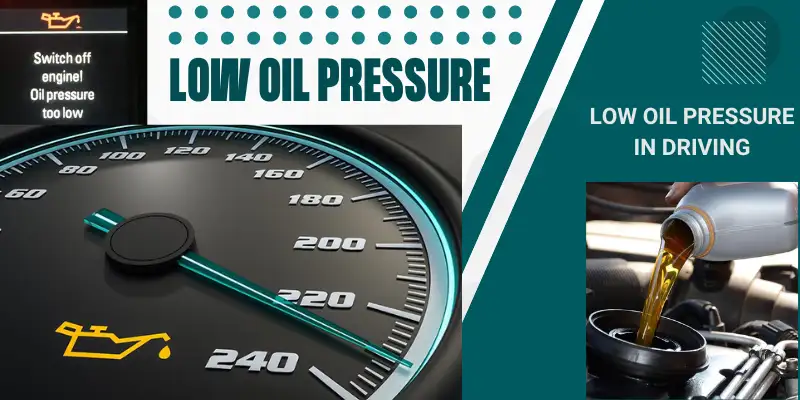
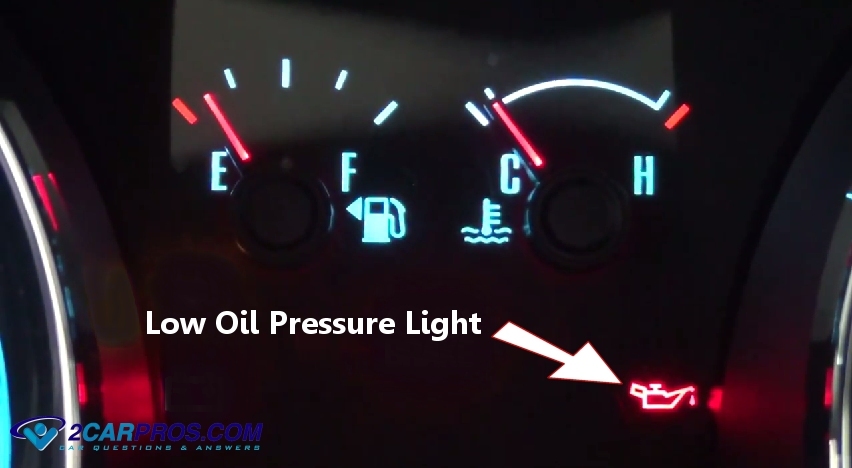
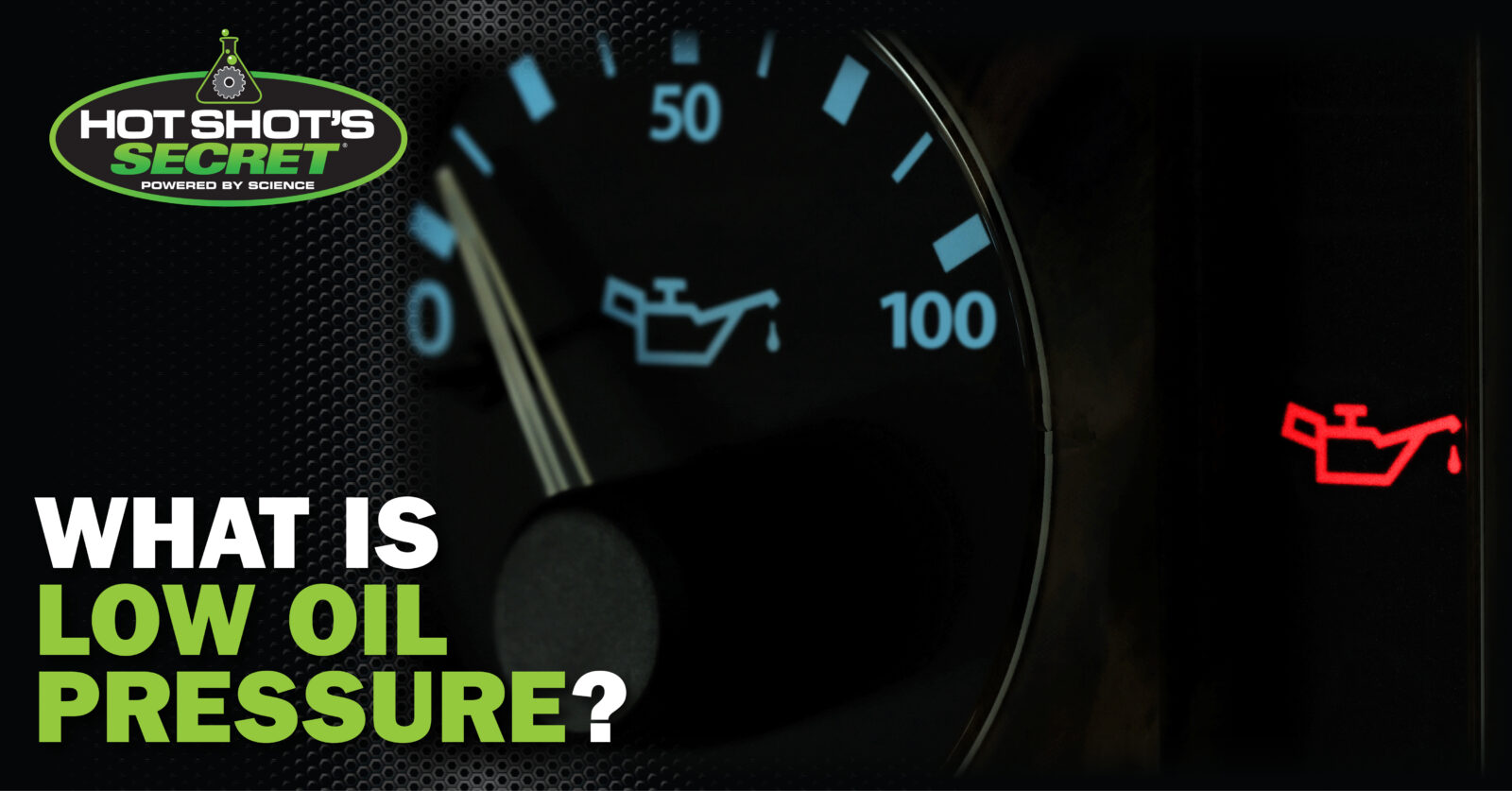
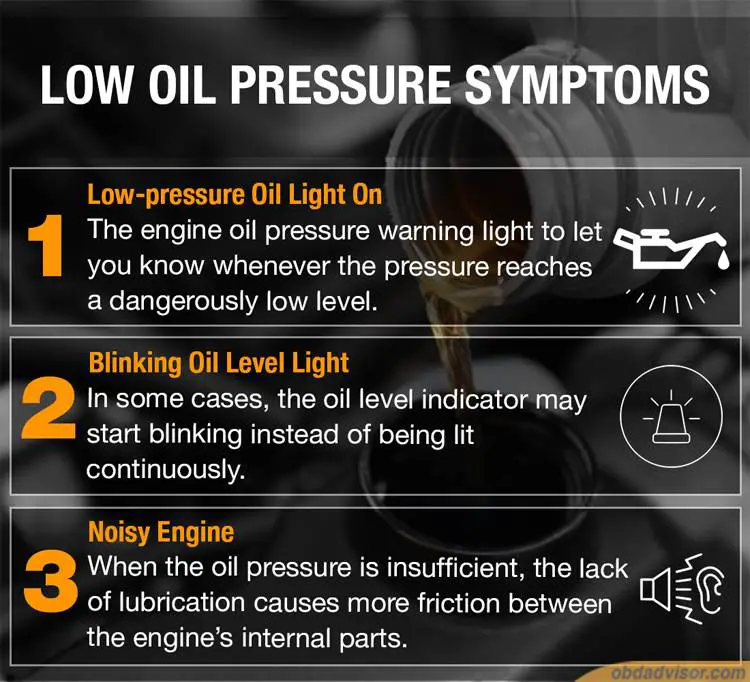
Now, what happens when things go wrong? Low oil pressure is a warning sign, a cry for help from your engine. It can manifest in a few different ways. You might see the oil pressure warning light illuminate on your dashboard, a potentially ominous symbol that shouldn't be ignored. Some cars have a gauge that shows the actual oil pressure reading. If this reading drops significantly below the normal range, it’s a cause for concern. Ignoring these warnings can lead to serious engine damage.
So, how can you ensure your car maintains healthy oil pressure and enjoy its benefits more effectively? Here are a few practical tips:
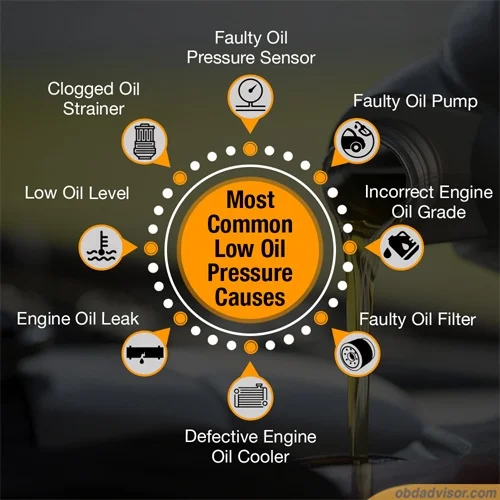
- Regular Oil Changes: This is the most important thing you can do. Clean oil is essential for proper lubrication. Follow your manufacturer's recommended oil change intervals.
- Use the Right Oil: Your car's manual specifies the correct oil viscosity (thickness). Using the wrong oil can negatively affect oil pressure.
- Check the Oil Level Regularly: A low oil level can directly lead to low oil pressure. Make it a habit to check the dipstick every few weeks.
- Listen to Your Car: Unusual engine noises, like knocking or ticking, could indicate low oil pressure. Don't ignore these sounds!
- Address Leaks Promptly: Oil leaks reduce the amount of oil available to lubricate the engine, leading to lower pressure. Get any leaks repaired quickly.
- Use Quality Filters: A good oil filter keeps the oil clean and free of contaminants that can impede flow and reduce pressure.
By taking these simple steps, you can help ensure your engine stays healthy, your oil pressure stays high, and your car continues to provide you with reliable transportation for years to come. A little preventative maintenance goes a long way!