Okay, let's be honest, the idea of your car suddenly losing power while you're cruising down the road isn't exactly "fun" in the traditional sense. But hear me out! Understanding why this happens and what to do about it? That's where the fun (or at least, the empowerment) comes in. Think of it as leveling up your car knowledge – you'll be better prepared, less stressed, and maybe even save yourself a hefty repair bill. Plus, who doesn't love a little automotive detective work?
So, what’s the purpose of understanding power loss while driving? Simply put, it's about safety and prevention. When your car unexpectedly loses power, you lose control over acceleration and certain vital systems like power steering and brakes become harder to use. Knowing the common causes allows you to react calmly, potentially avoid an accident, and even troubleshoot the issue if it's something minor. The benefits are clear: increased safety for yourself and others on the road, potential cost savings by catching problems early, and the satisfaction of understanding your vehicle better.
Let’s dive into some of the usual suspects behind this automotive drama. One common culprit is the alternator. This little dynamo is responsible for charging your battery while the engine is running. If it fails, your car will run solely on battery power, which will eventually drain, leading to a gradual power loss. Symptoms often include dimming headlights, a warning light on the dashboard (usually shaped like a battery), and a general feeling that the car is struggling.
Another possibility is a problem with your fuel system. A clogged fuel filter, a failing fuel pump, or even just running out of gas (yes, it happens!) can starve your engine of the fuel it needs to run. If this is the case, you might notice sputtering, hesitation, or a complete stall. Keep an eye on your fuel gauge and consider regular fuel filter replacements as preventative maintenance.
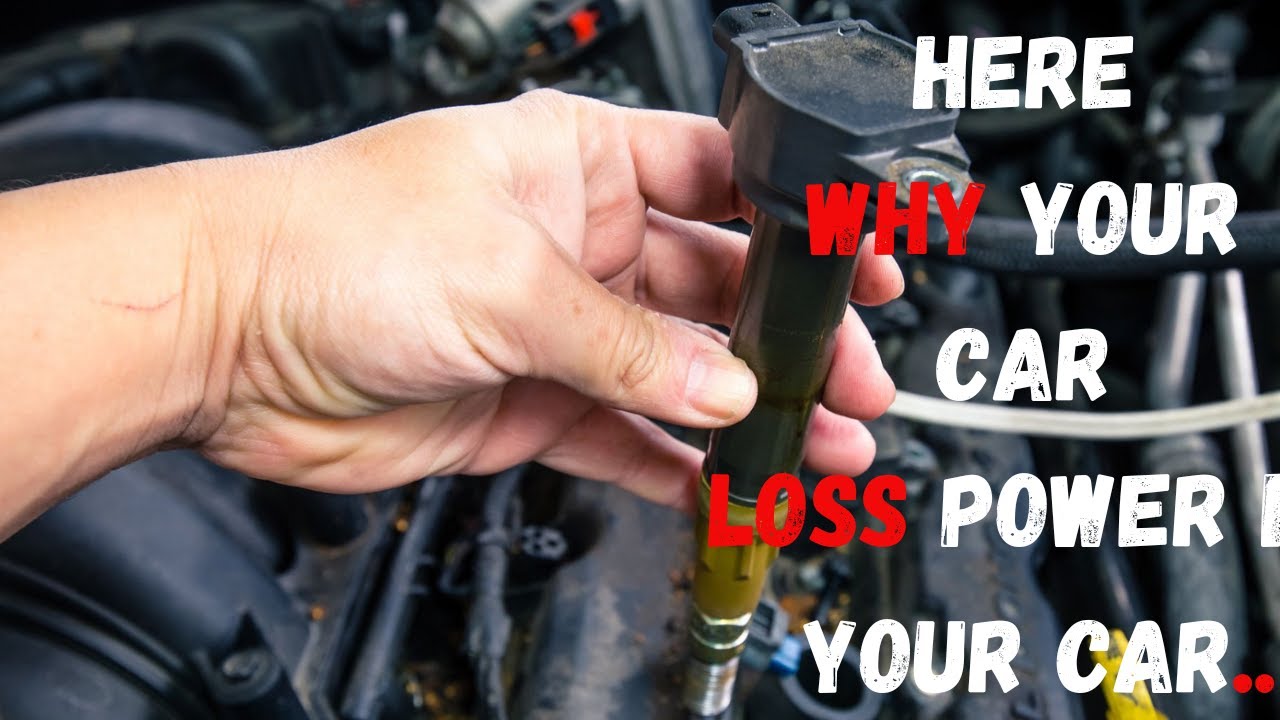
Don't forget about the ignition system. Spark plugs, ignition coils, and other components are crucial for igniting the fuel in your engine. If any of these fail, your engine might misfire or stop running altogether. This can feel like a sudden loss of power, often accompanied by a rough idling sound.
Finally, consider the engine itself. More serious issues like internal engine damage can also cause power loss. This is often accompanied by other symptoms like unusual noises, excessive smoke, or overheating. If you suspect a major engine problem, it's best to consult a qualified mechanic immediately.
So, what should you do if you experience a sudden loss of power? First, stay calm. Grip the steering wheel firmly. Try to safely move your vehicle to the side of the road. Turn on your hazard lights to warn other drivers. Once you're safely stopped, assess the situation. If you're comfortable doing so, check for obvious problems like a loose battery cable or an empty gas tank. If you're unsure, call for roadside assistance. Remember, your safety is the top priority!
Understanding the potential causes of power loss in your car can transform a terrifying situation into a manageable one. By staying informed and taking preventative measures, you can keep your vehicle running smoothly and confidently navigate any unexpected automotive challenges that come your way. Happy (and safe) driving!