
Ever wondered what makes your favorite things *tick*? You might be surprised to learn it's not just one thing, but a whole team working together! I'm talking about alloys, those secret ingredient combos that make so many everyday objects strong, shiny, and useful.
The Band of Brothers (and Sisters): Common Alloy Compositions
Let's dive into some common alloys and discover the surprising ingredients that make them so special. Forget boring chemistry lessons! Think of it as a recipe for superhero strength and dazzling beauty.
Brass: The Band Instrument Rockstar
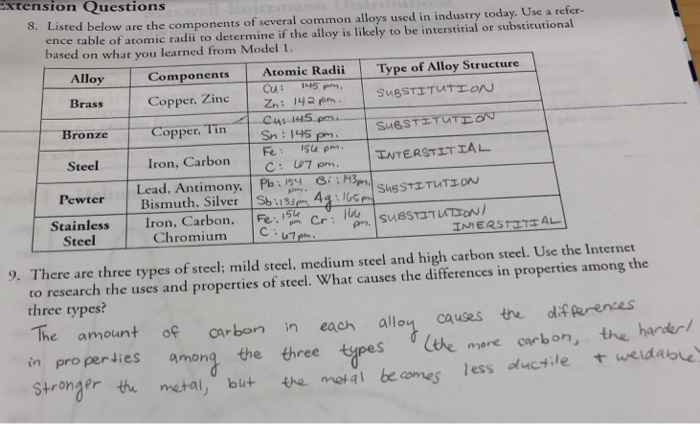
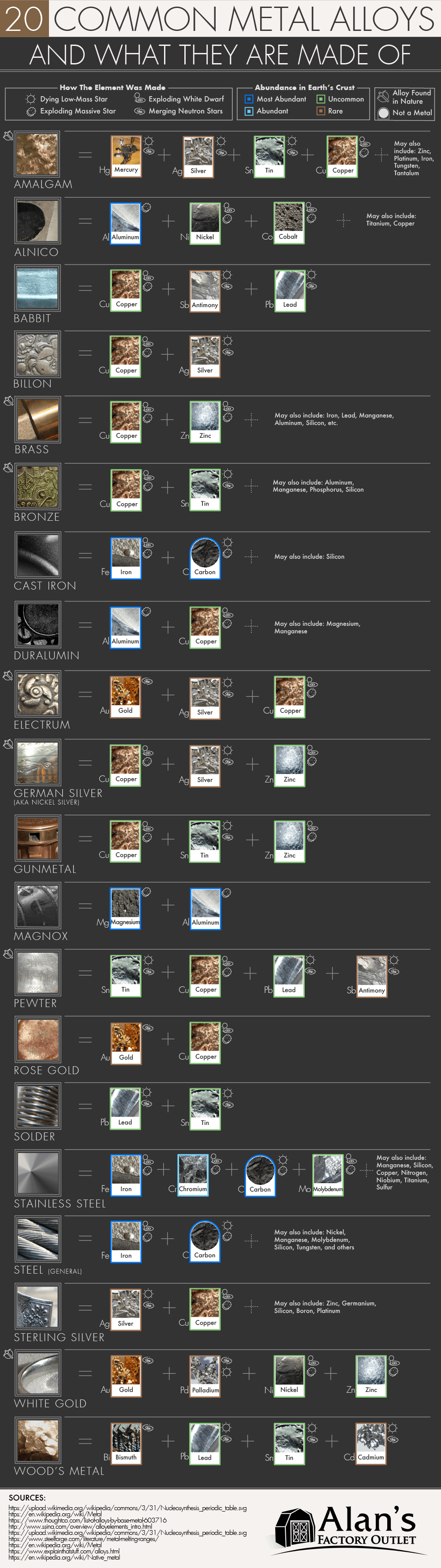
Picture a gleaming trumpet belting out a jazzy tune. That golden shine comes from brass, a mix of copper and zinc. It's like a copper base spiced up with a little zing of zinc, making it more durable and resistant to corrosion.
Interestingly, the exact ratio of copper to zinc can change the properties of the brass. More zinc might make it stronger, while more copper might make it a deeper gold. Imagine customizing your own musical instrument based on its metal recipe!
Bronze: The Ancient Warrior
Think back to the days of gladiators and epic battles. Many of their weapons and armor were made from bronze. Bronze is primarily copper, but with a touch of tin added for good measure.
The tin makes the copper harder and more resistant to wear. Without tin, you would never see those historic figures and statues. It's a touch of history in our modern world.
Steel: The Backbone of Modern Life
Steel is the workhorse of the modern world. It holds up our buildings, forms our cars, and even makes our cutlery. Steel is mainly iron, but it's the addition of a small amount of carbon that makes it so incredibly strong.
Carbon acts like the mortar between the iron bricks, binding them together and preventing them from sliding past each other. The specific type of steel can be drastically changed just by the carbon amount.
Stainless Steel: The Shining Superhero
Ever noticed how some steel objects seem to defy rust? That's thanks to stainless steel, which has chromium added to the iron and carbon mix. Chromium forms a protective layer of oxide that prevents the iron from reacting with air and water.
It's like giving the steel its own personal force field. So that shiny sink and your favorite cooking pots could thank the added chromium.
Pewter: The Elegant Old-Timer
Pewter is often associated with old-fashioned tankards and decorative objects. It's primarily tin, with smaller amounts of other metals like copper, antimony, or bismuth added for hardness and durability.
Pewter used to contain lead, but modern pewter is lead-free, making it safe for use with food and drinks. It's a classic alloy that's evolved with the times.
Solder: The Joining Force
Think of solder as the glue that holds electronic components together. It's usually a mixture of tin and lead, chosen for its low melting point. The low melting point allows it to melt and create strong electrical and mechanical bonds.
The blend of tin and lead creates this perfect solder. It’s important to note that lead-free solders are increasingly common due to environmental concerns.
Surprising Twists and Turns in Alloy Tales
The world of alloys isn't just about mixing metals together. It's full of fascinating facts and unexpected connections. Prepare for some metal-morphosis!
The properties of an alloy can be dramatically different from the properties of its constituent elements. For example, pure aluminum is relatively soft, but when alloyed with small amounts of copper, magnesium, or silicon, it becomes much stronger and more suitable for aircraft construction. Isn't it amazing?
Alloys can even exhibit properties that their individual elements don't possess. Shape-memory alloys, like Nitinol (nickel-titanium alloy), can "remember" their original shape and return to it even after being deformed. This is used in everything from medical stents to eyeglass frames.
Fun Fact: The Statue of Liberty is made of copper, but its internal frame is made of iron! It’s a mix of materials that makes this monument so special and enduring.
The Human Touch: Alloys and Art
Alloys aren't just for industry and engineering. They also play a vital role in art and aesthetics. The subtle differences in color and texture that can be achieved with different alloy compositions make them a favorite of sculptors, jewelers, and other artists.
Think of gold jewelry. Pure gold is too soft to be used in most jewelry designs. Therefore, gold is alloyed with other metals like silver, copper, or nickel to increase its hardness and durability.
The addition of these metals also affects the color of the gold, creating different shades like yellow gold, white gold, and rose gold. These different colors are achieved by changing the alloy composition.
Beyond the Basics: The Future of Alloys
The quest for new and improved alloys is an ongoing process. Scientists and engineers are constantly experimenting with new combinations of elements and new processing techniques to create materials with enhanced properties.
Nanotechnology is opening up new possibilities in alloy design. By controlling the arrangement of atoms at the nanoscale, researchers can create alloys with unprecedented strength, toughness, and other desirable characteristics.
Imagine alloys that can repair themselves when damaged, or alloys that are lighter and stronger than anything we have today. The possibilities are truly endless. It's a constant evolution to new alloys that benefit human life.
Next time you pick up a tool, admire a building, or wear a piece of jewelry, take a moment to appreciate the hidden world of alloys. These amazing material combinations are the unsung heroes that make our modern world possible. They are all around us.


/10075603-56a613df5f9b58b7d0dfcc53.jpg)