Hey there, curious minds! Ever look up at those majestic giants gracefully spinning in the wind and wonder, "How long will you keep going?" I'm talking about wind turbines, of course. We see them more and more, dotting the landscape, silently (well, mostly!) contributing to a greener future. But what's the deal? Do they just... *poof* disappear one day? Let's dive into the surprisingly fascinating lifespan of a wind turbine!
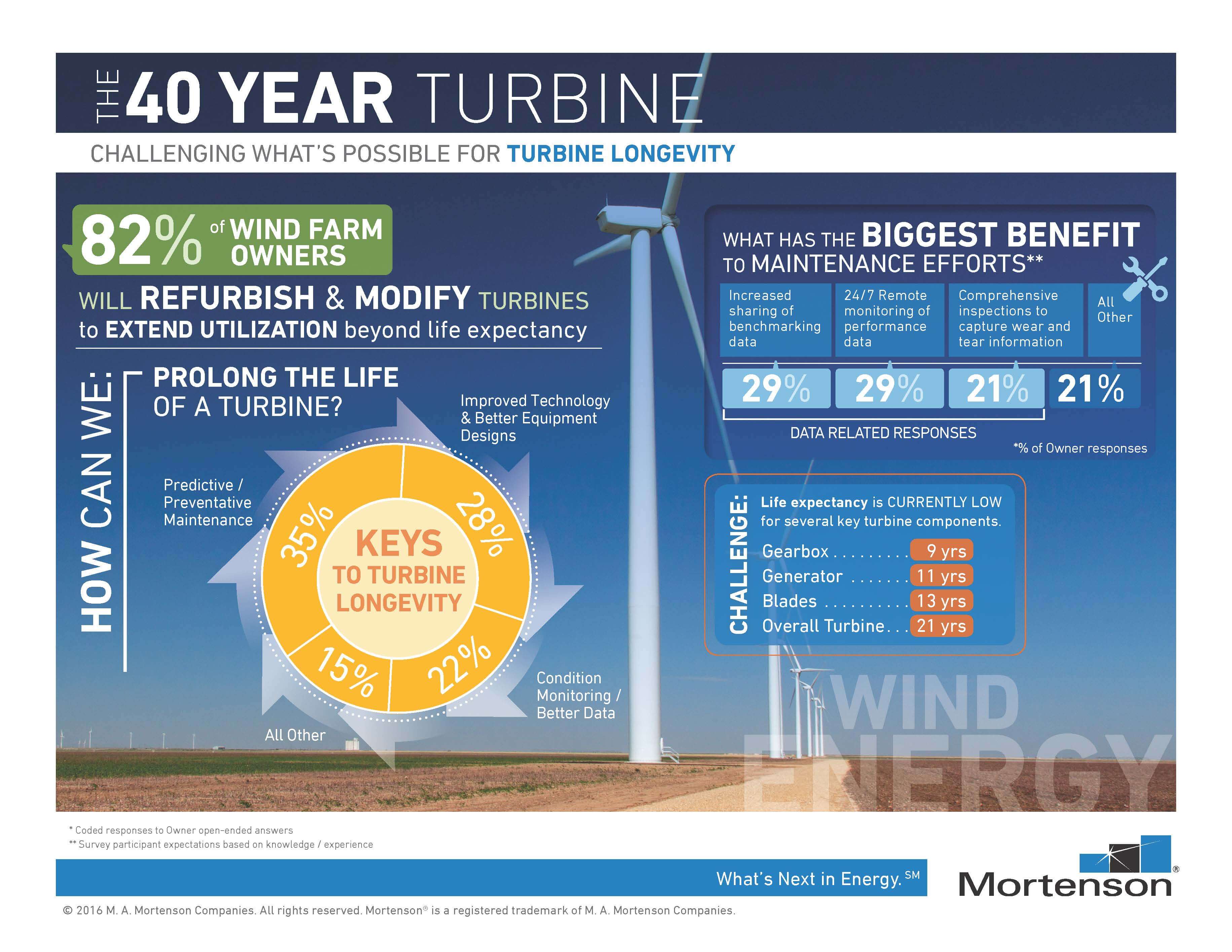
The big question: How long do these whirling wonders actually last? The average lifespan of a wind turbine is around 20-30 years. That's like, almost a whole generation! Think about all the changes that happen in the world during that time – fashion trends, new technologies… and all the while, these turbines are just steadily generating clean energy. Pretty cool, right?
What Affects a Turbine's Timeline?
Okay, so 20-30 years is the average, but just like us humans, some turbines live longer, healthier lives than others. What factors are at play here? Well, buckle up, because there are a few!
1. Location, Location, Location! Just like real estate, location is key. A turbine perched on a breezy mountaintop facing consistent, moderate winds will likely fare better than one in a gusty, turbulent environment. Consistent, steady winds are like a gentle workout, while unpredictable gusts are like… well, like trying to run a marathon in high heels. Not ideal!
2. Maintenance Matters: This one’s a no-brainer. Regular check-ups, timely repairs, and keeping all the bits and bobs in tip-top shape are crucial. Think of it like your car – regular oil changes keep it running smoothly. The same goes for wind turbines! Ignoring maintenance can lead to bigger, more expensive problems down the road (or, should I say, down the tower!).
3. Technology and Innovation: Turbine technology is constantly evolving. Newer models are often built with more durable materials and improved designs that can withstand the elements and operate more efficiently. It's like the difference between a flip phone and a smartphone – both do the job, but one is definitely more advanced and likely to last longer.
4. The Severity of Weather: Obvious but crucial, extreme weather events can take a toll. Think hurricanes, lightning strikes, ice storms – these can all put a strain on even the toughest turbine. Proper protection and robust design are vital in areas prone to such conditions. You wouldn't wear a swimsuit to a snowstorm, would you? (Okay, maybe for a dare…). Similarly, turbines need to be prepared for their environment.
What Happens When a Turbine Reaches the End of its Life?
So, what happens when our wind turbine friend finally reaches the end of its 20-30 year run? Does it just get abandoned and rust away? Thankfully, no! (Well, not usually, anyway).
Repowering is the Name of the Game! Often, the best option is to "repower" the turbine. This means replacing the old turbine with a newer, more efficient model. The existing tower and foundation can often be reused, saving resources and reducing environmental impact. It's like giving the wind farm a fresh new upgrade!
Recycling to the Rescue! When repowering isn't an option, many parts of the turbine can be recycled. The steel tower, the copper wiring, and the generator components can all be melted down and reused in new products. It's all about reducing waste and keeping those valuable materials in circulation.
What About the Blades? Ah, the blades. This is where things get a little trickier. Wind turbine blades are typically made of composite materials, which are difficult to recycle. However, innovative solutions are emerging, such as using them in cement production or creating new composite materials. The industry is working hard to find sustainable solutions for blade disposal. It’s a challenge, but hey, challenges are just opportunities in disguise!
Why Should You Care?
Okay, so maybe you're thinking, "This is all interesting, but why should *I* care about the lifespan of a wind turbine?" Well, because wind energy is a crucial part of a cleaner, more sustainable future! Understanding the lifespan and lifecycle of these turbines helps us make informed decisions about energy policy, investments in renewable energy, and our own individual impact on the environment.
Plus, it’s just plain fascinating! Knowing how these machines work, how long they last, and what happens to them at the end of their lives makes you a more informed and engaged citizen. And who doesn't want to be that?
The fact is, the longer these turbines last, and the more efficiently we can recycle their components, the more sustainable and cost-effective wind energy becomes. It's a win-win for everyone! So, the next time you see a wind turbine spinning, take a moment to appreciate the engineering marvel and the role it plays in powering a brighter future.
So, are you feeling inspired? Good! There's a whole world of renewable energy knowledge out there just waiting to be discovered. Start exploring! Learn about different types of turbines, the challenges of energy storage, and the innovations that are shaping the future of clean energy. You might just surprise yourself with how much you enjoy it! Go on, become a wind turbine whisperer (okay, maybe not literally, but you get the idea!).