Okay, picture this: you've got a slightly burnt piece of toast. Not charcoal, just... a little dark around the edges. Now, wouldn't it be cool if you could *just* fix the burnt part without messing up the rest of the toast? That's kind of what laser annealing and laser ablation are all about, except instead of toast, we're talking about super tiny, important things like semiconductors in your phone or solar panels.
Laser Annealing: The Gentle Healer
Think of laser annealing as a tiny, super-precise spa treatment for materials. It uses a high-intensity laser, but it's more like a warm massage than a harsh scrub. The laser gently heats up the surface of a material, allowing atoms to rearrange themselves into a more orderly and relaxed state. Imagine your messy sock drawer, and then magically, all the socks fold themselves neatly – that's annealing in a nutshell!
Why do we care? Well, lots of materials, especially after being made, have imperfections. These imperfections can mess with how well they work. For example, in solar panels, these imperfections can stop electrons from flowing freely, making the panel less efficient. Laser annealing helps to "heal" these imperfections, making the material stronger, more efficient, or more conductive. It’s like giving the material a good pep talk and a power nap all in one!
Think about straightening your hair with a flat iron. You're using heat to temporarily change the shape. Laser annealing is similar, but the changes it makes are more permanent and at a super tiny, atomic level. It improves the *performance* of the material, not just its looks (though better performing materials can lead to sleeker gadgets!).
Laser Ablation: The Tiny Surgeon
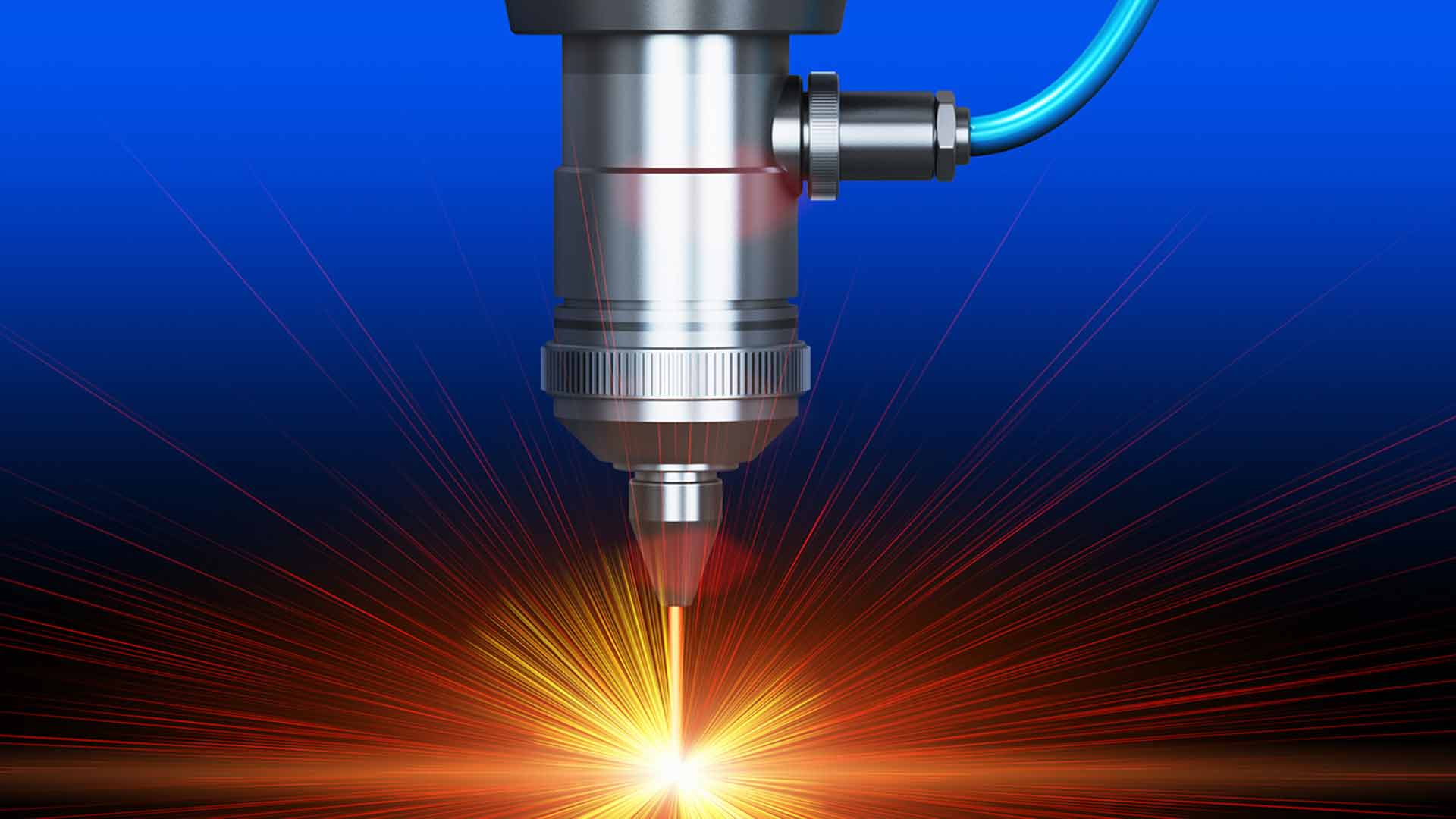
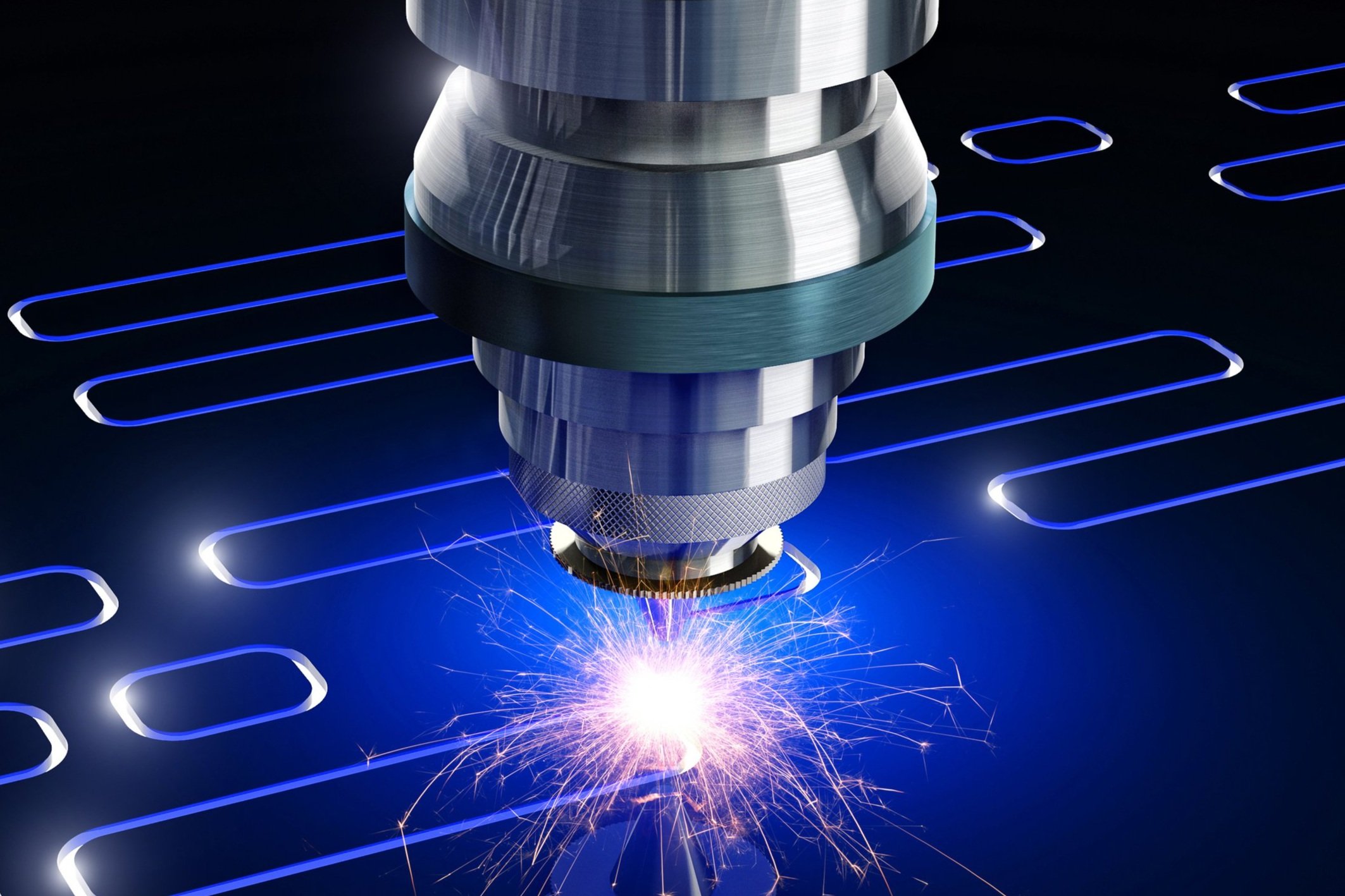
Now, laser ablation is a bit more… forceful. Imagine that burnt toast again. Instead of just warming it, laser ablation is like having a microscopic laser-powered knife that can precisely remove the burnt part. This process uses an even higher intensity laser that vaporizes a tiny bit of material.
Why would we want to vaporize parts of things? Well, think about creating incredibly precise patterns. Imagine etching a design onto a piece of metal so small you can barely see it. That's where laser ablation comes in. It’s like having the world's tiniest sculptor, able to carve intricate designs with light.
It’s used in everything from manufacturing microchips to creating the markings on your prescription glasses. That tiny serial number you see? Chances are, a laser ablation machine put it there! It’s also used in medical procedures, like laser eye surgery, where the laser precisely reshapes the cornea to improve vision.
Laser ablation is super precise. Think of it like using a scalpel versus a butter knife. You want that precision when dealing with delicate materials and intricate designs.
So Why Should You Care?
Okay, so these fancy laser machines are used in making tiny things. But why should you care? The answer is simple: better technology. Laser annealing and ablation are crucial in making:
- Faster and more powerful smartphones: Smaller and more efficient microchips thanks to laser processing.
- More efficient solar panels: Meaning cleaner energy and lower electricity bills.
- Better medical devices: More accurate and less invasive procedures, like laser eye surgery.
- Improved manufacturing processes: Leading to higher quality products and potentially lower prices.
In short, these laser technologies are behind the scenes, making the things we use every day better, faster, and more efficient. They're like the unsung heroes of the tech world, working tirelessly to improve our lives, one tiny atom at a time.
Imagine a world with slower phones, less efficient solar panels, and less precise medical procedures. Sounds pretty bleak, right? That's why understanding (even a little bit!) about laser annealing and ablation is important. It's about understanding the future of technology and how it's impacting our world in ways we might not even realize.
So next time you're using your super-fast smartphone or basking in the glow of sustainable energy, remember those tiny lasers working tirelessly behind the scenes. They're making the world a better, brighter, and more efficient place, one perfectly zapped atom at a time!