Ever wondered how scientists unlock the secrets hidden within a grain of sand, a vintage coin, or even a piece of art? It's not magic, but it's pretty close: enter Laser Ablation Inductively Coupled Plasma Mass Spectrometry, or LA-ICP-MS for those in the know. Yeah, it's a mouthful, but trust me, it's way cooler than the name suggests.
Think of it as a super-powered detective tool that can tell you exactly what something is made of, down to the tiniest trace elements. It's like having a microscopic X-ray vision!
What's the Deal with LA-ICP-MS?
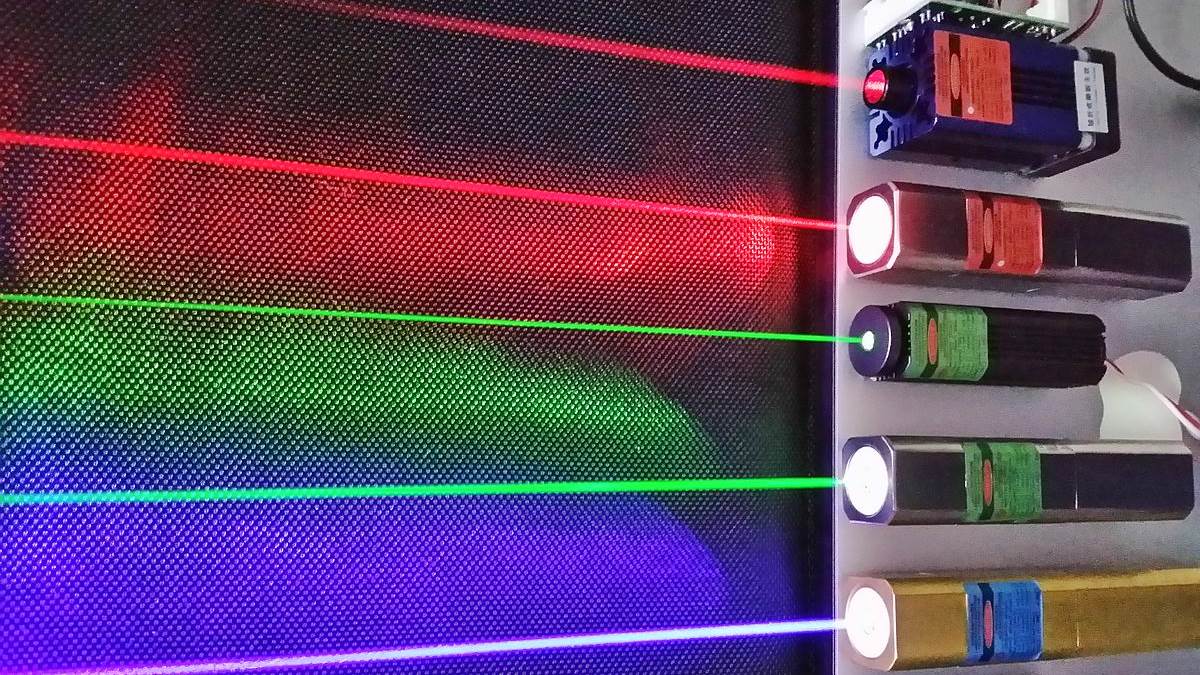
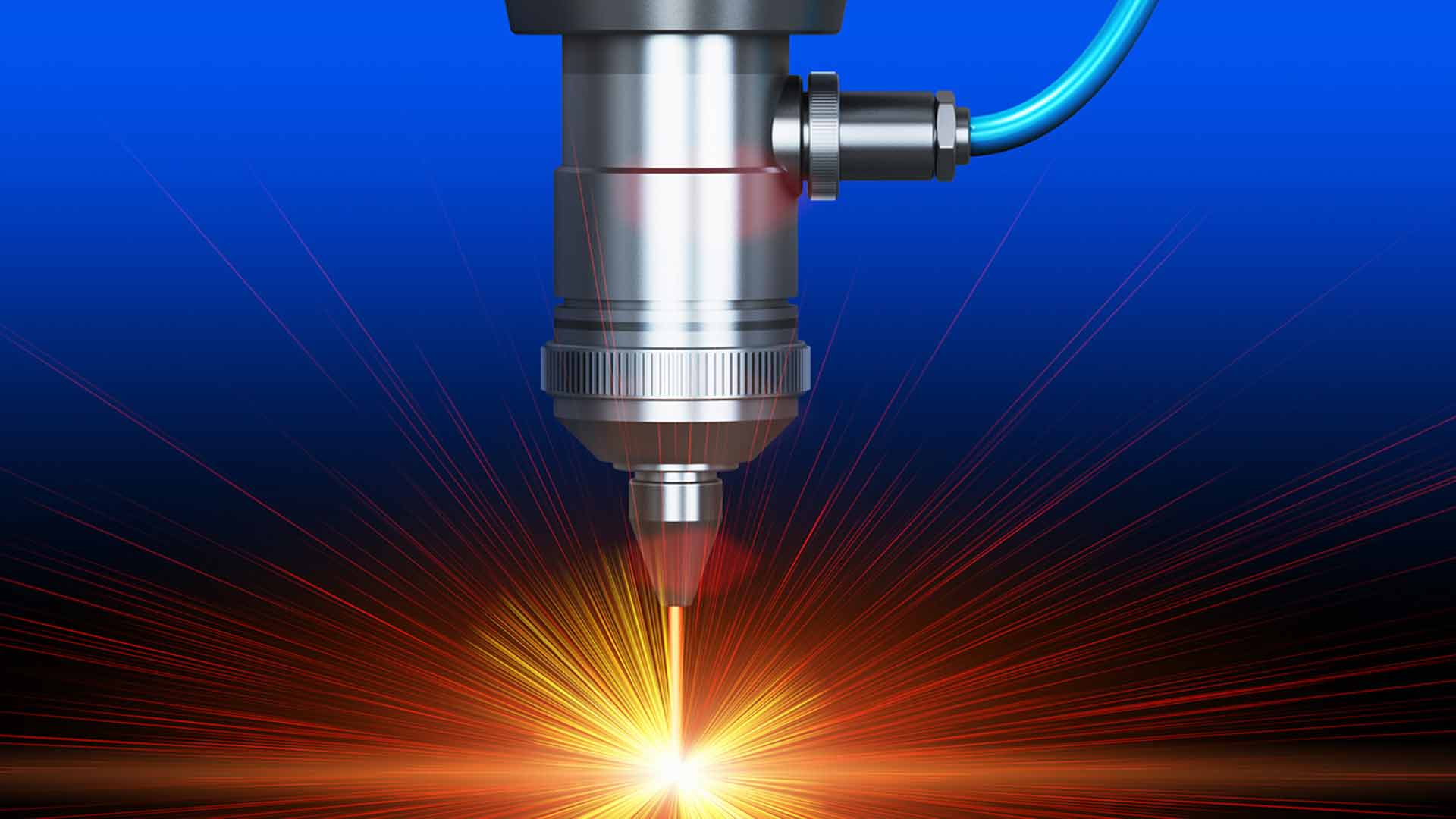
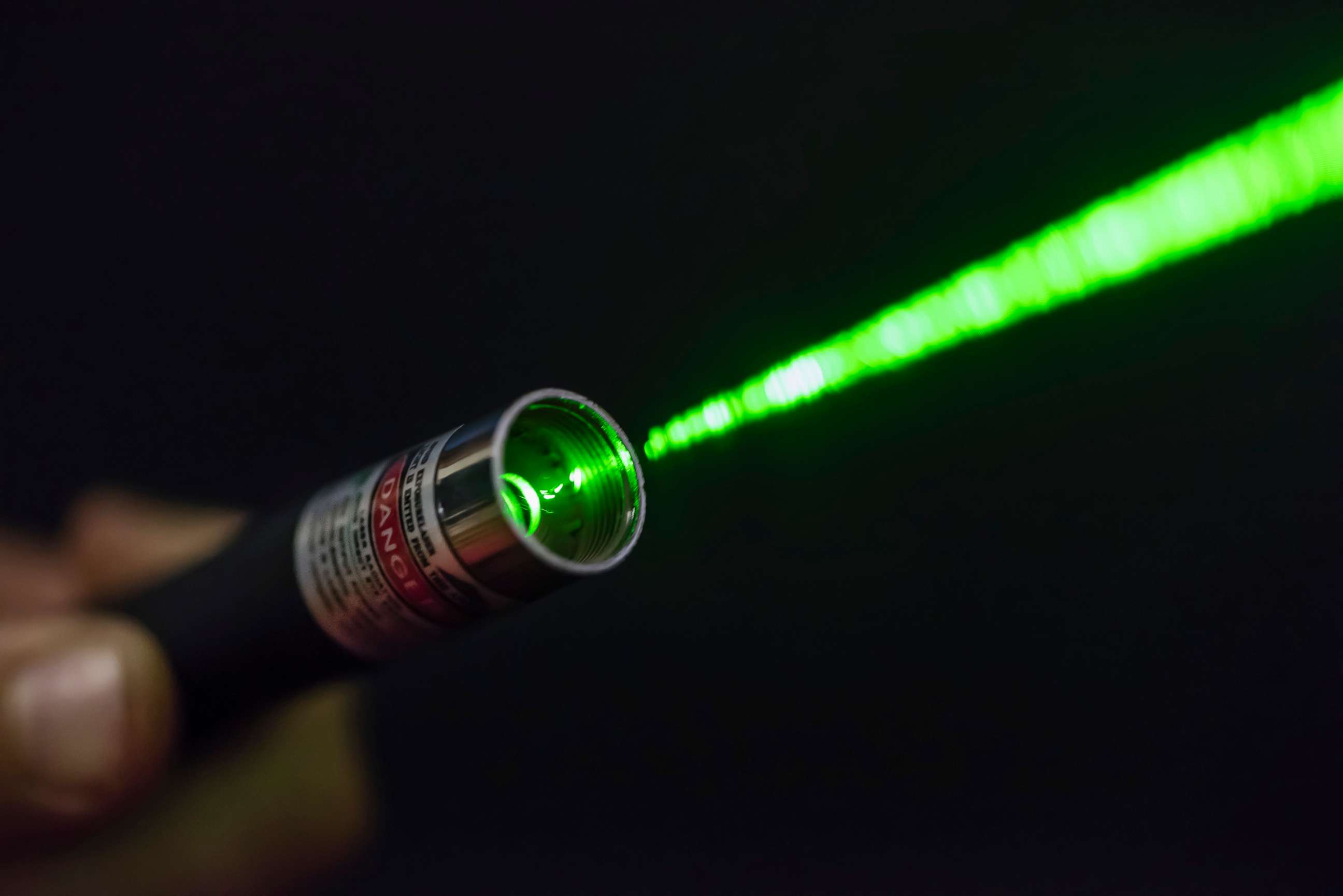
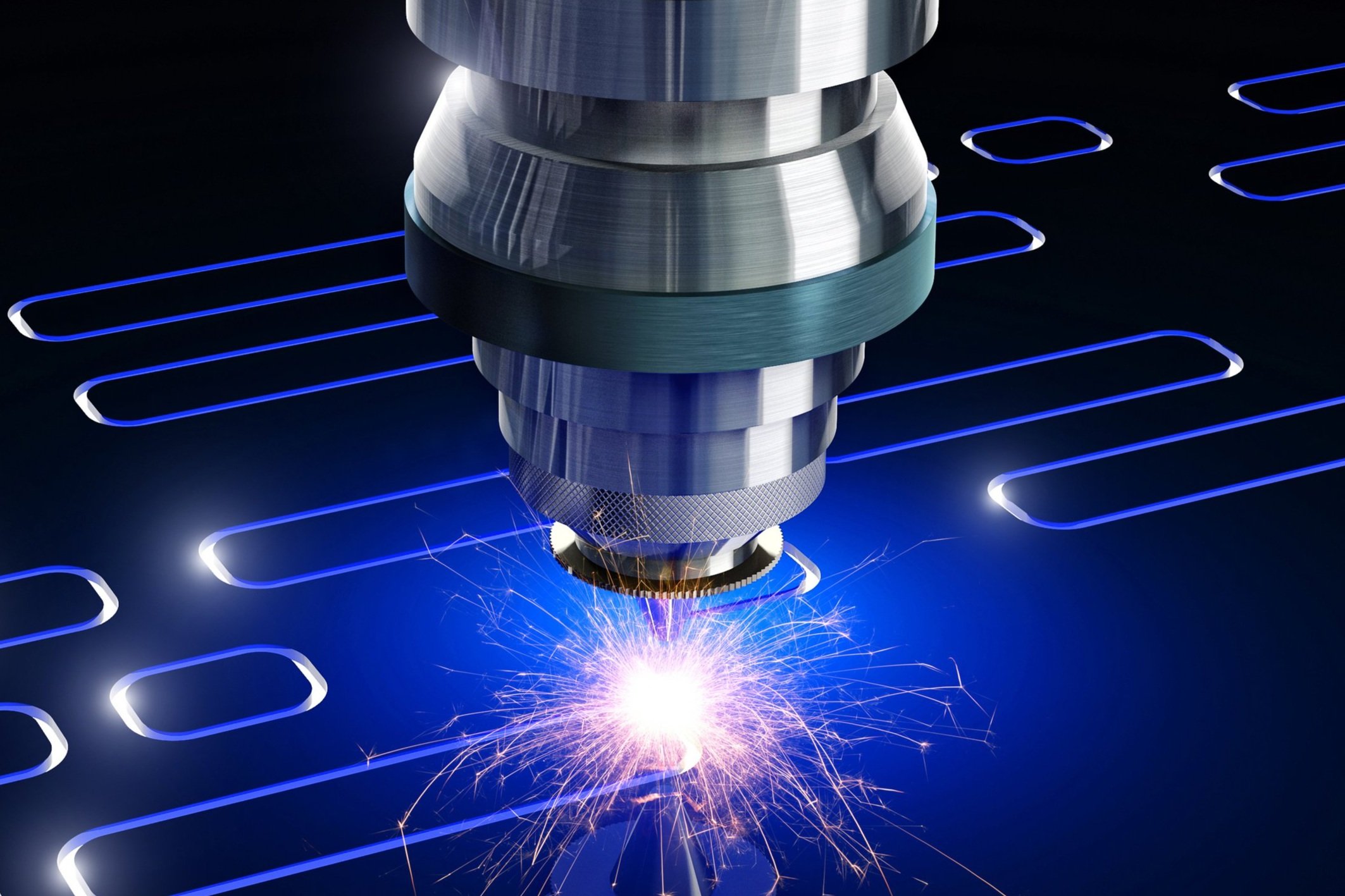
Okay, let's break it down. First, we have the laser ablation part. A focused laser beam zaps a tiny portion of your sample, turning it into a vapor plume – a cloud of atoms. Imagine tiny Star Wars blasters vaporizing minuscule targets.
Next comes the inductively coupled plasma (ICP). This is where things get seriously hot – we're talking temperatures hotter than the surface of the sun! The vaporized sample is injected into this plasma, which ionizes the atoms. Think of it as a cosmic forge, turning everything into electrically charged particles.
Finally, the mass spectrometry (MS) steps in. These ions are then separated based on their mass-to-charge ratio and detected. The result? A detailed fingerprint of all the elements present in the original sample, even those present in parts per billion! We're talking incredibly sensitive detection here.
So, Why Should I Care?
LA-ICP-MS is used in a shockingly wide range of fields. It's not just for lab coats and scientific papers. For example:
- Archaeology: Unraveling the mysteries of ancient artifacts. Think Indiana Jones, but with lasers and mass spectrometers instead of whips and fedoras.
- Geology: Dating rocks and understanding the Earth's history. It's like Ancestry.com for planets!
- Environmental Science: Monitoring pollution levels in water and soil. Think of it as the guardian of our planet, ensuring its well-being.
- Forensic Science: Analyzing trace evidence in criminal investigations. CSI meets high-tech wizardry!
- Art History: Authenticating paintings and understanding the techniques of master artists. Is that a real Van Gogh? LA-ICP-MS can tell you!
Beyond these examples, LA-ICP-MS is used in the semiconductor industry, the development of new materials, and even in medicine, for example, to study the uptake of drugs in tissues.
Practical Tips and Fun Facts
While you probably won't be operating an LA-ICP-MS yourself anytime soon, understanding its capabilities can be surprisingly useful. Here are a few tidbits:
- The Power of Precision: LA-ICP-MS allows for in-situ analysis, meaning you can analyze a specific spot on a sample without destroying the whole thing. This is crucial for preserving valuable artifacts.
- Minimal Sample Prep: Unlike some other analytical techniques, LA-ICP-MS often requires very little sample preparation. Less fuss, more results!
- Speed and Efficiency: Modern LA-ICP-MS instruments can analyze samples relatively quickly, providing results in minutes or hours, not days or weeks.
Fun Fact: The "plasma" in ICP-MS is not the same as blood plasma! It's a state of matter where a gas becomes ionized, like the stuff inside a neon sign.
Cultural Connections
Think about the Netflix documentary "Fake or Fortune?" where art experts try to determine the authenticity of paintings. LA-ICP-MS is exactly the kind of technology they might use to analyze the pigments and determine if they're consistent with the artist's period. It's like a real-life art detective show!
Or consider the archaeological mysteries explored in shows like "Ancient Aliens". While we may not always agree with their interpretations, the underlying analyses of ancient artifacts often relies on techniques like LA-ICP-MS.
A Moment of Reflection
The next time you're walking on a beach, holding a seashell, or admiring a piece of jewelry, remember that hidden within those seemingly ordinary objects are layers of information waiting to be discovered. Technologies like LA-ICP-MS allow us to unlock those secrets and gain a deeper understanding of the world around us.
It's a reminder that even the smallest things can hold the biggest stories, and that science is constantly pushing the boundaries of what's possible. It is a way to get a deeper understanding of the world, one laser pulse at a time. Maybe it's time to explore some history? And while you do so, remember the fascinating techniques that give our past a voice.