Plastic: Hot Stuff or Not So Much? A Journey Into the World of Heat Conductivity (or Lack Thereof!)
We use plastic everywhere, right? From our trusty water bottles to those colorful LEGO bricks our kids (or, let's be honest, we) love to play with. But have you ever stopped to think about whether that plastic is good at conducting heat? I mean, could you, in a pinch, use a plastic spatula to stir a boiling pot of soup? (Spoiler alert: probably not a great idea!)
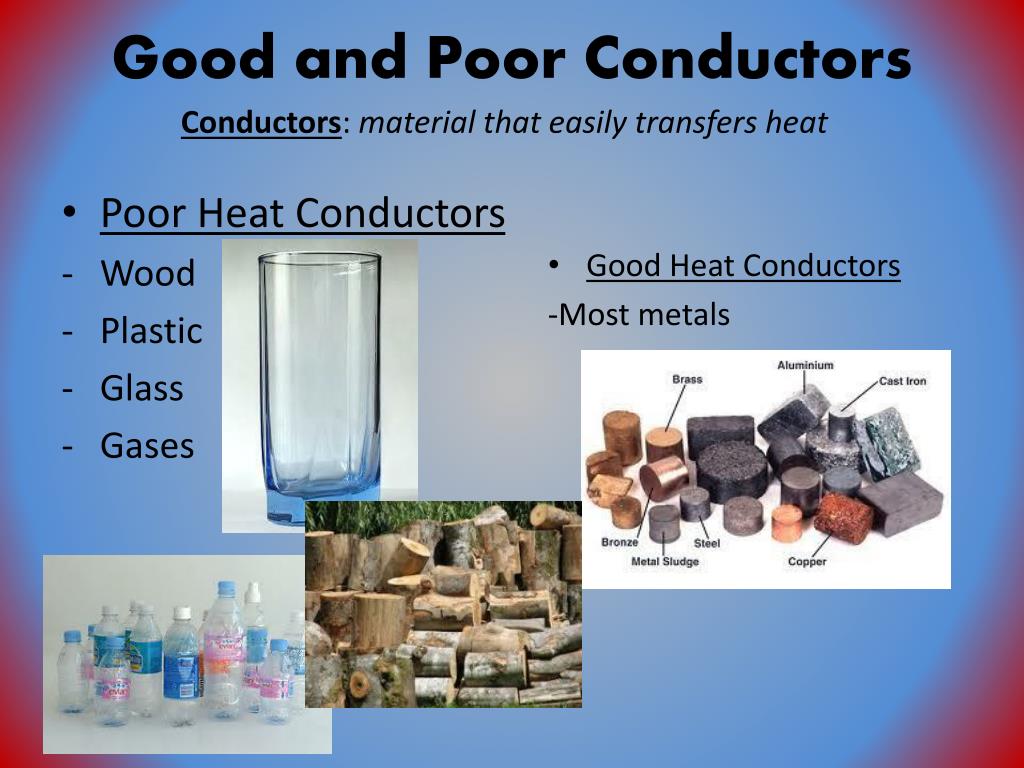
The short answer is: no, plastic is generally a terrible conductor of heat. In fact, it's an insulator. Think about it: that's why your coffee cup cozy is often made of, you guessed it, plastic or a plastic-like material. It's designed to keep the heat in your cup, not let it escape and burn your delicate fingers.
But why does this matter to you, beyond avoiding burnt fingers? Well, consider the humble cooler. Those picnic staples, designed to keep your soda ice-cold on a hot summer day? They rely on the insulating properties of plastic. The plastic walls of the cooler prevent the outside heat from reaching your precious cargo of refreshing beverages and lukewarm potato salad. It's a battle against thermodynamics, waged with the help of, ironically, a material that could be made using heat!
And let's not forget the heartwarming story of the lost penguin and the plastic raincoat (okay, maybe I’m embellishing a *little*). The core principle holds true, though! Animals that live in cold climates, like penguins or polar bears, rely on layers of fat and fur (nature's insulators!) to keep them warm. Plastic, in its own artificial way, can do something similar. A plastic raincoat creates a barrier against the cold rain, helping to trap body heat and prevent hypothermia (a real danger for both penguins and people!). Of course, I wouldn't recommend dressing a penguin in a raincoat (they have their own built-in insulation systems!), but the point is, plastic's poor heat conductivity can be a lifesaver in certain situations.
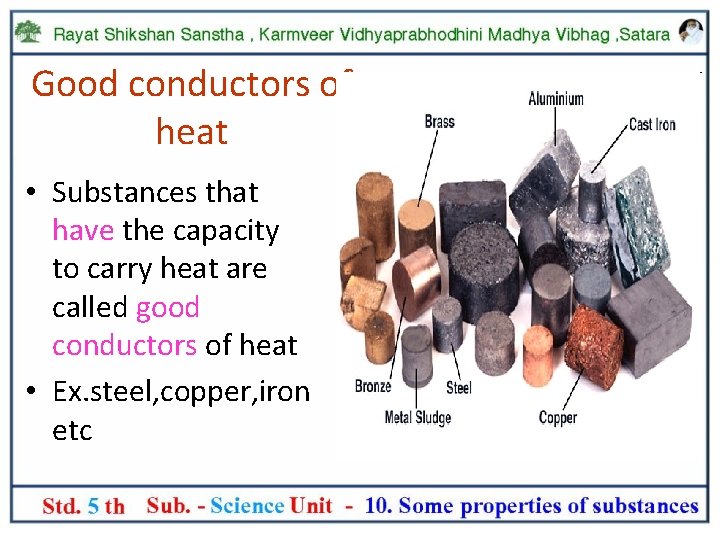
Now, some plastics are slightly better at conducting heat than others. Your standard grocery bag is going to be a far worse conductor of heat than, say, a specialty plastic designed for heat sinks in electronics (which are designed to *dissipate* heat). But even those "better" plastic conductors are still pretty rubbish compared to metals like copper or aluminum. Imagine trying to cook a steak on a plastic frying pan (please don't!). It would be a culinary disaster of epic proportions! Your steak would likely still be mooing while your plastic pan slowly melted into a gooey mess.
This poor conductivity explains why we use plastic handles on metal pots and pans. Imagine trying to grab a boiling pot with a metal handle. Ouch! The plastic handle, being an insulator, allows us to safely handle hot cookware without resorting to oven mitts every five seconds.
So, the next time you reach for a plastic container, take a moment to appreciate its insulating properties. It's not just a cheap and convenient material; it's a silent guardian against the relentless forces of heat (or lack thereof!). It helps us keep our drinks cold, our coffee hot, and our fingers un-burnt. And while it might not be able to cook a steak, it certainly plays a crucial role in our daily lives.
"Plastic: Not exactly a fiery friend, but a loyal companion in the battle against thermodynamics."
Plus, consider the artistic implications! Imagine a world where sculptures made of plastic would melt under the slightest bit of sunshine. No more whimsical garden gnomes, no more adorably creepy plastic flamingos gracing lawns across the nation! The world would be a far less colorful (and potentially less bizarre) place.
In conclusion, while plastic may not be winning any awards for heat conductivity anytime soon, its insulating properties are undeniably valuable. So, let's raise a (plastic) cup to this often-overlooked characteristic of one of the most ubiquitous materials on the planet! Just don't try using it to stir your soup. Trust me on this one.