Okay, buckle up buttercups, because we're diving headfirst into a question that's hotter than a summer barbecue: Is natural gas a renewable energy source? The answer, my friends, is a resounding… well, it's complicated! Prepare for a rollercoaster ride of energy explanations!
What Exactly IS Renewable Energy Anyway?
First things first, let's break down what "renewable" even means. Imagine you have a magical lemonade stand. Renewable resources are like the lemons that magically grow back on the tree overnight. Solar energy from the sun? Yep, that's like a lemon tree that keeps giving lemons forever (or at least for billions of years). Wind? Another lemon tree, powered by breezy, endless lemon-growing potential! Geothermal? You guessed it – a lemon tree deep underground, warmed by the Earth's core, happily producing those citrusy delights. See, easy peasy!
In the energy world, renewable means that the resource replenishes itself naturally within a human timescale. We're talking about sources that aren't going to run out anytime soon, leaving future generations high and dry, desperately searching for the last lemon in the universe.
Natural Gas: The Fossil Fuel in Disguise
Now, let's talk about natural gas. It’s that stuff that heats our homes, cooks our food, and sometimes even powers our cars. It's found deep underground, formed over millions of years from the remains of ancient plants and animals. Think of it as the energy equivalent of a fossilized dinosaur – pretty cool, but definitely not something that regenerates overnight.
Here’s where things get a little less lemony. Natural gas is a fossil fuel, just like coal and oil. That means it's a finite resource. Once we use it up, it's gone…poof! No more to be made (at least not in a timeframe that's useful to us). It takes millions and millions of years to create more natural gas, which is way longer than it takes us to binge-watch our favorite show on Netflix.
The "Bridge Fuel" Argument: A Lemonade Stand Compromise
Some people argue that natural gas is a "bridge fuel." What's a bridge fuel, you ask? Think of it as a slightly less sour lemon. The idea is that it's cleaner than coal and oil, so it can help us transition to a future powered by completely renewable sources. It's like saying, "Okay, we'll use these slightly less fossilized lemons for now, while we plant a whole orchard of renewable lemon trees!"
While natural gas does produce fewer greenhouse gas emissions than coal when burned, it still contributes to climate change. Plus, the extraction and transportation of natural gas can lead to methane leaks, and methane is a much more potent greenhouse gas than carbon dioxide in the short term. So, even though it might be a slightly less sour lemon, it still has a bit of a bitter aftertaste.
But What About Biogas? Isn't That Natural Gas-ish?
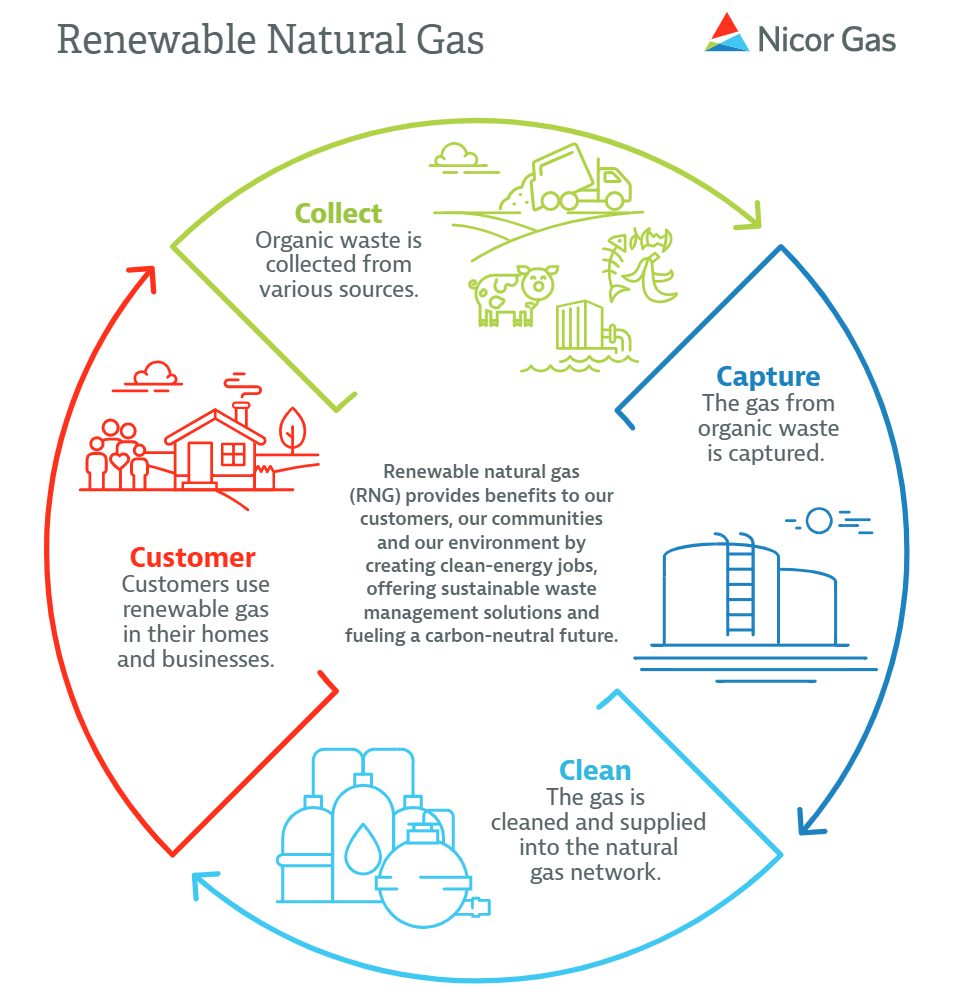
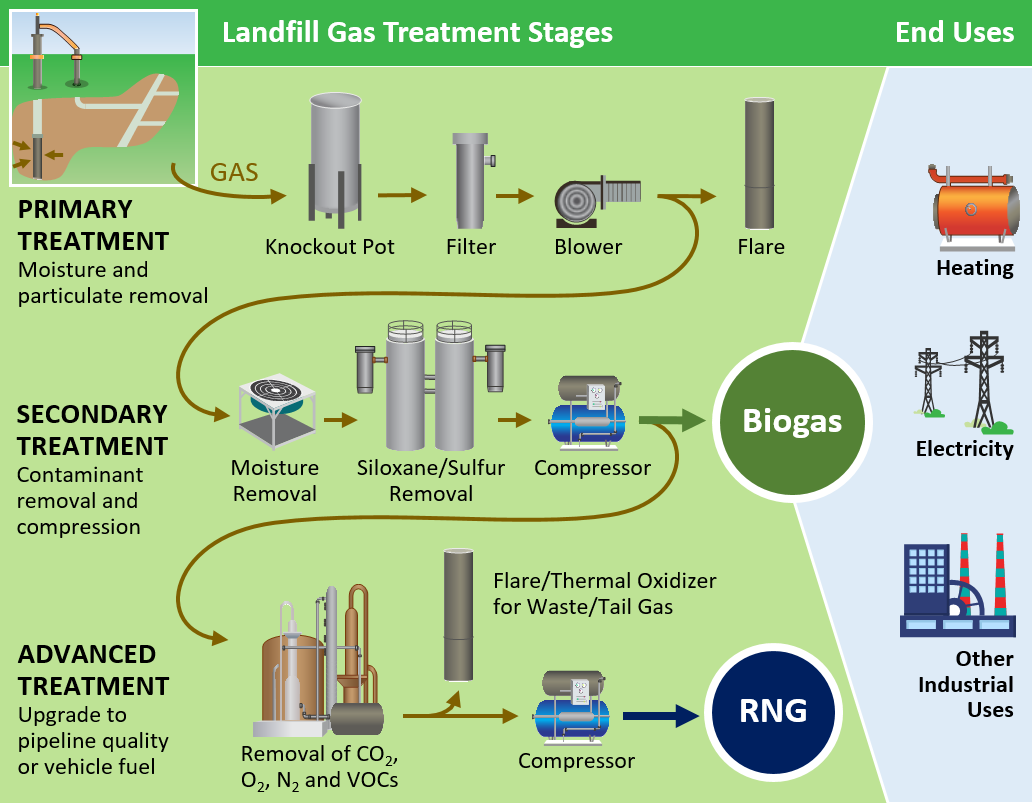
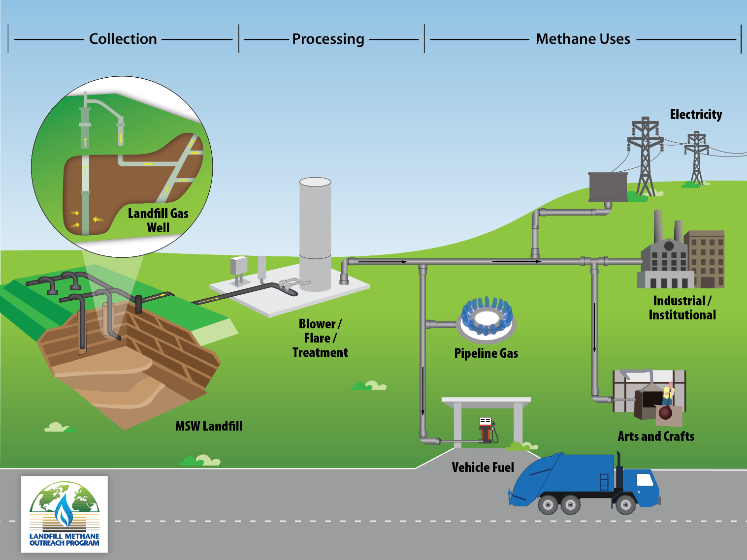
Ah, here's where things get interesting! Biogas is produced from the decomposition of organic matter, like food waste, animal manure, and sewage. It's basically natural gas made from renewable sources! Think of it as composting your lemon peels and turning them into…well, more lemons (or at least lemon-scented energy!).
Biogas is a great alternative to conventional natural gas because it reduces waste and captures methane that would otherwise be released into the atmosphere. However, biogas production is still relatively small compared to conventional natural gas production.
The Verdict: Natural Gas… Not Renewable (Mostly)
So, is natural gas a renewable energy source? The short answer is no. It's a fossil fuel, a finite resource that's buried deep in the Earth. While it may play a role in transitioning to a cleaner energy future, it's not the long-term solution. We need to focus on those truly renewable lemon trees – solar, wind, geothermal, and of course, biogas – to power our world sustainably.
Think of it this way: we can't rely on digging up ancient dinosaurs (or fossil fuels) forever. We need to cultivate our own energy gardens, where the energy grows back every single day. Now, go forth and plant those renewable energy seeds! (Figuratively speaking, of course. Unless you're actually planting a solar panel orchard – in that case, go wild!)