Okay, let's be honest. We've all been there. Staring at something shiny and vaguely industrial, wondering: Is that metal? Or is it…steel?
It's a question that plagues humanity. Right up there with "Where do missing socks go?" and "Why is airplane food so weird?". But fear not, friends! I'm here to bravely wade into this confusing territory.
Metal: The Big Umbrella
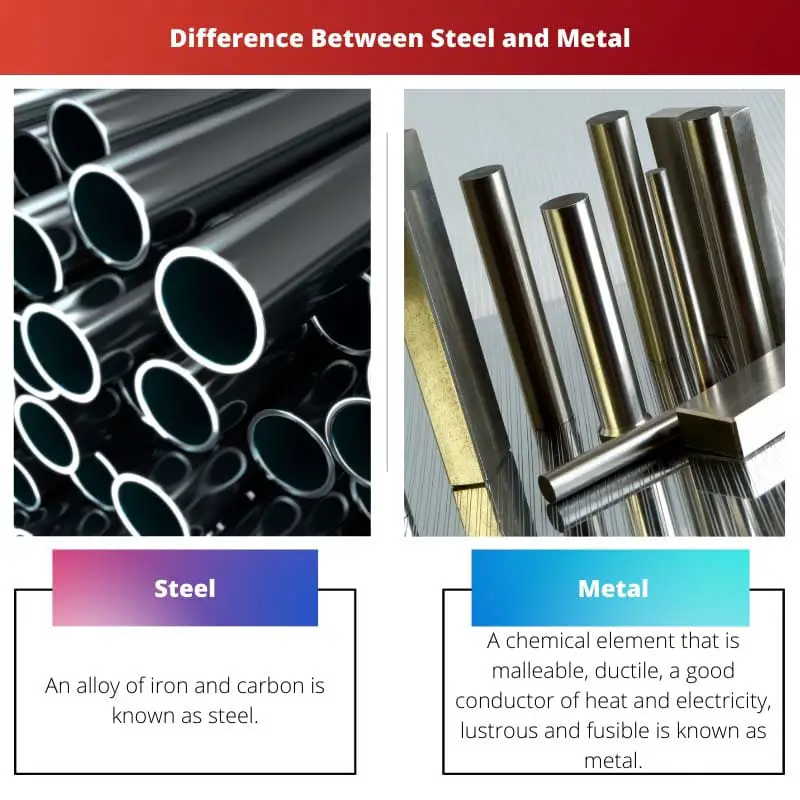
Think of metal like this: It's the huge family reunion. You've got your quirky Uncle Copper, your flashy Aunt Gold, and your dependable cousin Iron. They're all metal. They all share certain characteristics. They conduct electricity. They're shiny (usually). And they're generally pretty tough cookies.
Basically, metal is an element that naturally exists in the earth. We dig it up, melt it down, and shape it into stuff. Simple enough, right?
Steel: Iron's Upgraded Cousin
Now, let's zoom in on cousin Iron. Iron, by itself, is okay. A bit soft. A little rusty. Not exactly superhero material.
But then, along came some clever folks who figured out that if you mix iron with a tiny bit of carbon, BAM! You get steel. Steel is like Iron, but with a power-up. Think of it as Iron after a serious workout and a protein shake. Stronger, tougher, and way more resistant to rust.
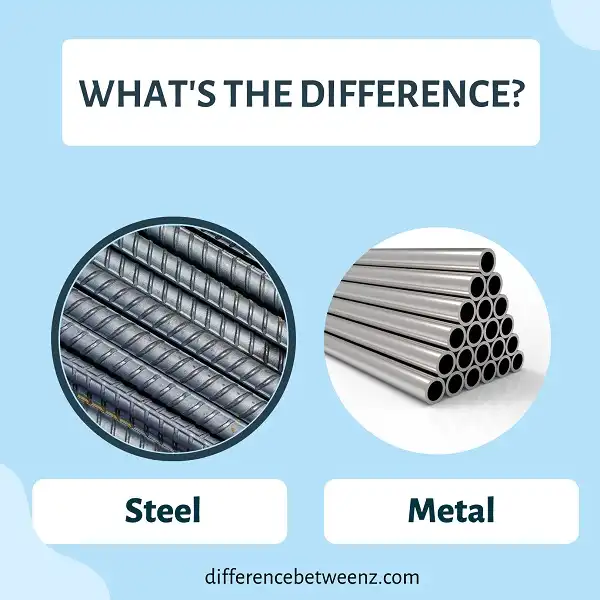
So, steel is metal, but not all metal is steel. It's like squares and rectangles. All squares are rectangles, but not all rectangles are squares. Got it? Good.
My Unpopular Opinion (Prepare Yourselves)
Here's where things get spicy. Brace yourselves for my totally-not-scientific-but-completely-from-the-heart declaration:
In everyday conversation, steel and metal are basically interchangeable. I said it.
I know, I know. The metallurgists are probably sharpening their pitchforks right now. But think about it! When you say "metal concert," are you *really* thinking about the specific alloys involved in the guitar strings? No! You're thinking loud music and maybe some headbanging. The specific *type* of metal isn't really the point. It's the general vibe of "metallic-ness".
Similarly, if you see a shiny object on the street and say, "Hey, that's metal!", nobody's going to quiz you on its carbon content. They'll just agree that, yeah, it looks like it's made of some kind of metal. The context matters!
Unless you're building a skyscraper or designing a spaceship, the precise metallurgical composition is probably not the most important thing on your mind. It's like debating the exact shade of green when someone says, "Look at that green tree!".
The Verdict
So, are metal and steel the same thing? Technically, no. But practically, in most situations, yes.
This isn't to say that knowing the difference isn't important. If you're an engineer, a welder, or a blacksmith, you absolutely need to understand the nuances of various metals and alloys. But for the average person trying to navigate the world, a little bit of relaxed terminology is perfectly acceptable.
Now, if you'll excuse me, I'm going to go listen to some "metal" music. And I'm not going to worry too much about whether my guitar is made of high-carbon steel or some other fancy alloy. I'm just gonna rock out!
And if anyone gives you grief for using metal and steel interchangeably, just tell them you read it on the internet. That always works, right?
Maybe. Probably not. But hey, it's worth a shot.