Hey there, metalhead (and non-metalheads too)! Ever wondered why your metal spoon gets hot in your coffee? Or why your laptop feels like a tiny forge after a gaming session? It's all about thermal conductivity! Let's dive in, shall we?
What's the Deal with Thermal Conductivity?
Basically, it's how well something conducts heat. Think of it like a superhighway for tiny, excited molecules. The better the conductivity, the faster those little guys can zoom along, spreading the heat around.
So, is metal a good thermal conductor? Spoiler alert: YES! But why? That's where the fun begins.
The Atomic Dance Party
Metals are basically a giant dance party of atoms and electrons. These electrons are like the super-energetic guests, bouncing around and bumping into everything.
When you heat up one end of a metal object, you're basically turning up the music at the party. The electrons get even more hyped and start bumping into each other harder and faster. This frenzied dance quickly spreads throughout the metal, transferring the heat. Think of it like the wave at a stadium, but with tiny particles.
Cool fact: This "sea of electrons" is also what makes metals good conductors of electricity. They're multi-talented showoffs!
Not All Metals Are Created Equal
Okay, so metal is generally a good thermal conductor. But some metals are total rockstars, while others are… more like the backup dancers.
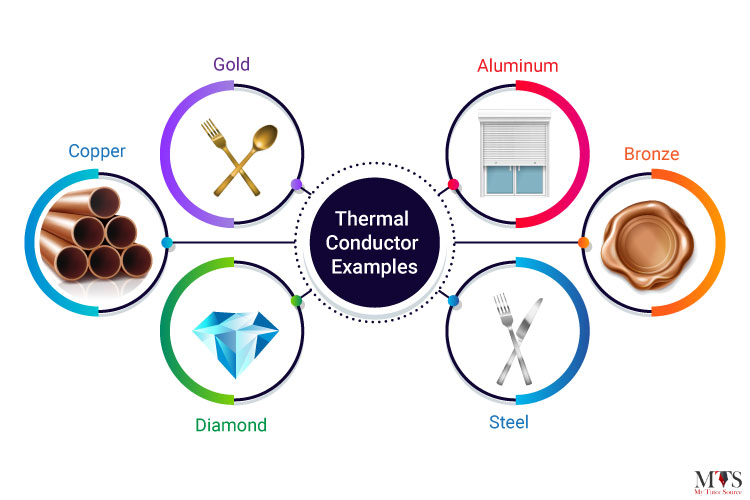
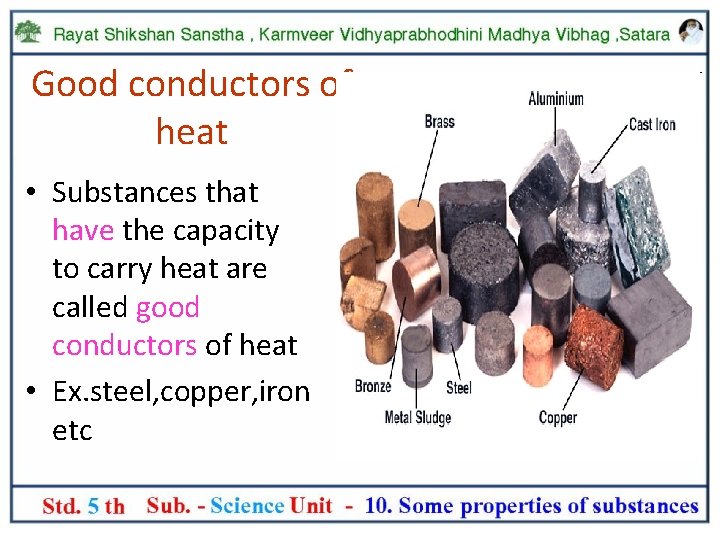
Copper and aluminum are the big names here. They're like the lead guitarists in the band. They're incredibly efficient at conducting heat. That's why you see copper in things like pots and pans, and aluminum in engine blocks.
Fun fact: Copper is also naturally antimicrobial! So, your copper-bottomed pot is fighting germs while you're cooking up a storm.
Then you have metals like stainless steel. It's still a good conductor, but not as amazing as copper or aluminum. It's more like the steady bassist – reliable and important, but not hogging the spotlight. Stainless steel is commonly used where corrosion resistance is important, like in kitchen sinks or surgical instruments.
Why Does This Matter? (Besides Burning Your Fingers)
Thermal conductivity is a big deal in a ton of everyday applications. Think about:
- Cooking: Even heat distribution means perfectly cooked food. No more hot spots in your pan!
- Electronics: Getting rid of excess heat is crucial for keeping your gadgets from melting down. That’s where heat sinks (usually made of aluminum or copper) come in.
- Construction: Insulation materials aim for low thermal conductivity to keep your house warm in winter and cool in summer.
- Space Travel: Managing heat in space is a huge challenge. Satellites and spacecraft use specialized materials to dissipate heat and prevent overheating.
Quirky detail: Ever heard of a "thermal bridge"? It's a spot in a building's insulation where heat can easily escape. Imagine a tiny, secret tunnel for heat to sneak out into the cold!
Insulation: The Anti-Metal
What about things that aren't good at conducting heat? That's where insulators come in! Think of materials like wood, plastic, or fiberglass. They're like bouncers at the molecular dance party, keeping those energetic electrons from spreading the heat around.
Funny thought: Imagine trying to make a frying pan out of Styrofoam. It wouldn't go well. At all.
The Bottom Line
So, is metal a good thermal conductor? Heck yeah! It's all thanks to that amazing electron dance party happening at the atomic level.
From keeping your computer cool to ensuring your soup heats evenly, thermal conductivity plays a vital role in our lives. So, next time you grab a hot mug of coffee, take a moment to appreciate the science (and maybe use a coaster!).
Keep exploring, keep questioning, and keep having fun with science!