Ever squished Play-Doh as a kid, happily molding it into unrecognizable creatures? Or maybe you've admired a beautifully crafted metal sculpture, wondering how someone could bend such a hard material into such graceful forms? You were witnessing the magic of malleability, a property of matter that's surprisingly important in art, construction, and even cooking!
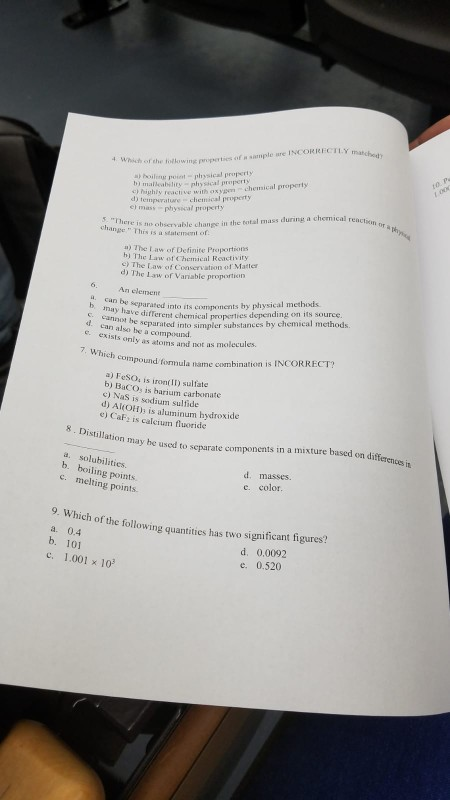
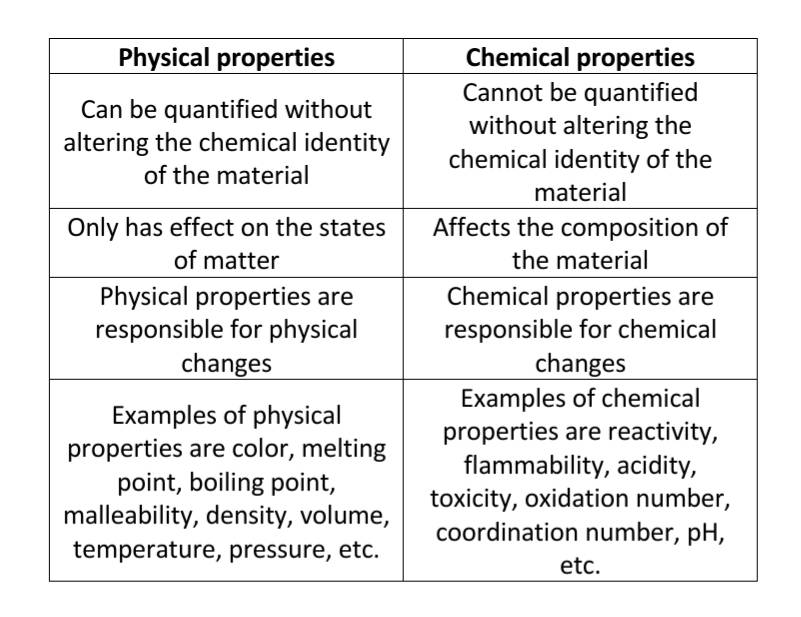
So, is malleability a physical or chemical property? The answer is: it's a physical property. A physical property is something you can observe or measure without changing the substance's chemical composition. When you hammer gold into a thin leaf, you're changing its shape, not its chemical makeup. It's still gold, just thinner! If it were a chemical property, the act of shaping the material would result in the creation of an entirely new substance. Imagine hammering gold and ending up with… well, something that isn't gold anymore!
For artists and hobbyists, understanding malleability unlocks a world of creative possibilities. Think of the silversmith meticulously hammering a piece of silver into intricate jewelry, or the blacksmith shaping red-hot iron into tools and decorative pieces. Potters rely on the malleability of clay to create everything from functional mugs to stunning sculptures. Even culinary artists use malleability – think of rolling out dough for a perfectly thin pizza crust or shaping marzipan into delicate flowers.
The benefits are numerous: artists can create complex and detailed works, hobbyists can personalize their creations, and even casual learners can gain a deeper appreciation for the materials around them. Consider these examples: think of the repoussé technique where metal sheets are hammered from the reverse side to create raised designs. Or look at the intricate filigree work where thin, malleable wires are bent and soldered to create delicate patterns. Different metals also offer varying degrees of malleability – gold is the most malleable, followed by silver, aluminum, and copper. This allows for a wide range of styles and techniques depending on the desired outcome.
Want to explore malleability at home? Here are a few tips: start with something simple like working with polymer clay. It's readily available, easy to shape, and can be baked in the oven to harden. You can also experiment with shaping aluminum foil into different forms. For the more adventurous, consider trying metal embossing, which involves using tools to create raised designs on thin metal sheets. Always prioritize safety and wear appropriate protective gear, like gloves, when working with tools and materials.
Ultimately, exploring malleability is incredibly enjoyable because it allows us to transform raw materials into something beautiful and useful. It's a tactile experience that connects us to the physical world and empowers us to express our creativity. There’s something deeply satisfying about taking a lump of shapeless matter and turning it into a work of art, a functional object, or simply a playful creation. So, go ahead, get your hands dirty, and experience the joy of malleability!