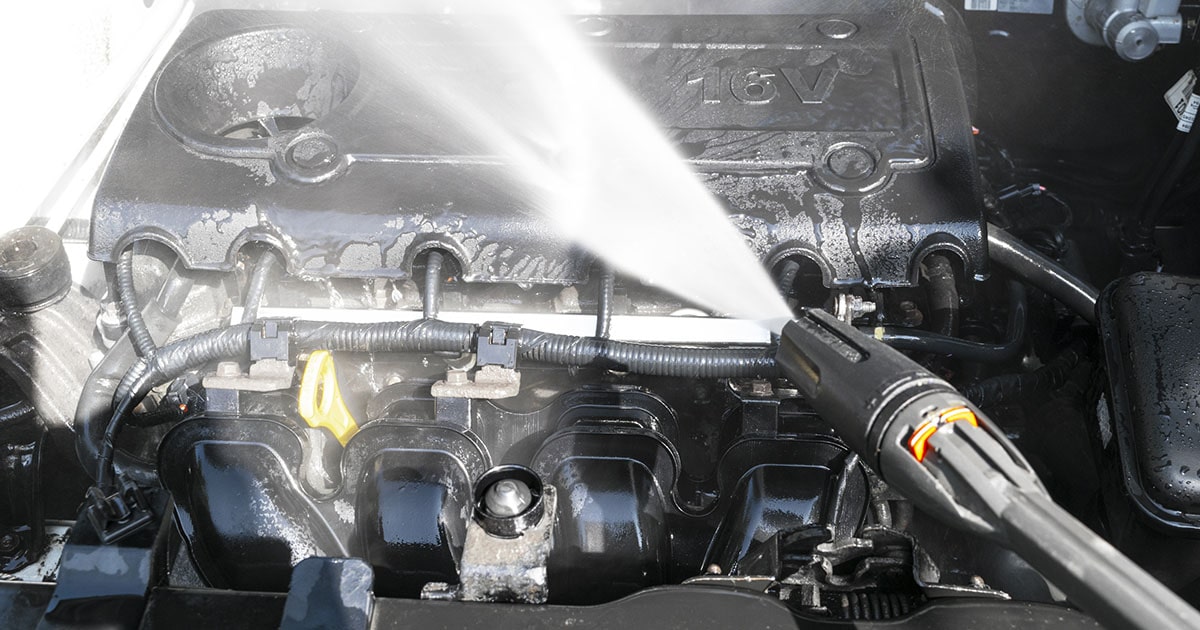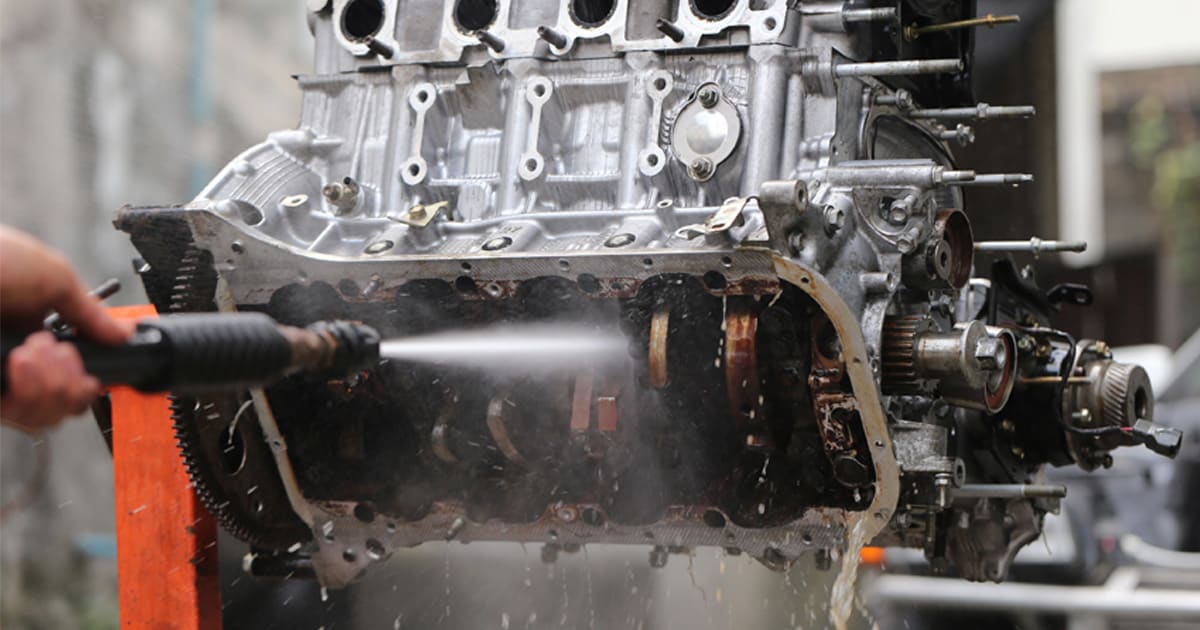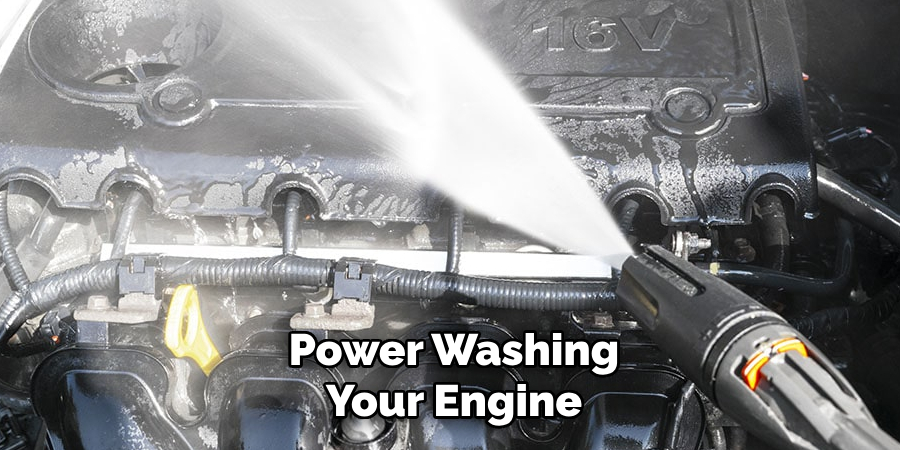
Okay, let's talk about something that's probably crossed every car owner's mind at some point: power washing your engine. Is it a good idea? A terrible idea? Or somewhere in between, like that questionable gas station sushi you had last Tuesday?
Think of your engine like your kitchen. Over time, it gets greasy, grimy, and attracts all sorts of, shall we say, unidentifiable substances. Maybe you spilled some oil during a refill, maybe a bird decided your air intake was the perfect place for a… deposit. Whatever the reason, it's looking rough.
So naturally, your first instinct might be to grab the biggest, baddest power washer you can find and just blast away the mess. You imagine a sparkling clean engine bay, gleaming under the sun, the envy of all the other cars on the street. It’s like that before-and-after photo on a cleaning product commercial. Sounds glorious, right?
The Allure of the Power Washer
Let's be honest, there’s something incredibly satisfying about using a power washer. It's like wielding the power of a tiny, focused hurricane. You point, you spray, and *poof*, the grime disappears. It’s practically therapeutic.
You see that greasy film that's been stubbornly clinging to your valve cover for years? Gone. That weird, sticky residue that's been attracting dirt like a magnet? Vanished. You feel like you've accomplished something truly significant, like finally organizing that junk drawer or remembering to put the toilet seat down.
The Potential Pitfalls
But here’s the thing: your engine isn't exactly designed to withstand a high-pressure water assault. It's more like that delicate porcelain doll your grandma keeps locked away in a glass case. Sure, it looks impressive, but one wrong move and… crack!
The problem is all those sensitive electrical components. Your distributor (if you’re rocking something older), your spark plugs, your sensors – they’re not exactly fans of being hosed down with a jet of water powerful enough to strip paint off a fence. Imagine short-circuiting your brain with a firehose. Not a pleasant thought, is it?
And then there's the issue of water getting into places it shouldn't. Inside your engine's intake, for example. Or creeping into connectors. Suddenly, you're not just dealing with a dirty engine, you're dealing with a non-functioning engine. And nobody wants that.
I once knew a guy who power-washed his engine so enthusiastically, he ended up with his car refusing to start for three days. He spent hours diagnosing the problem, only to discover he'd basically drowned his distributor cap. The lesson? Sometimes, less is more.
The Safer (and Saner) Alternative
So, what's a responsible car owner to do? Is a clean engine bay forever out of reach? Absolutely not! There are safer, gentler ways to get the job done.
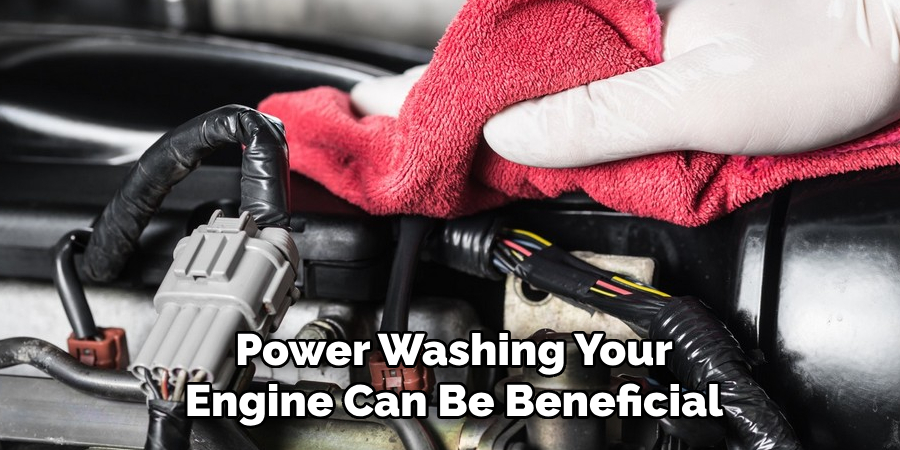
Think of it as giving your engine a spa day, rather than a full-blown demolition derby. Use a degreaser spray, some brushes, and a garden hose with a *gentle* spray nozzle. Wipe things down meticulously. It’ll take longer, sure, but you'll be much less likely to cause any damage.
And most importantly, cover up any exposed electrical components with plastic bags or tape before you start. Treat them like they're allergic to water – because, well, they kind of are.
In conclusion, while the allure of the power washer is undeniable, it's generally best to avoid using it on your engine. Unless you are a trained professional and know exactly what you are doing! There are safer and smarter ways to keep your engine bay clean. So, ditch the high pressure and embrace the gentle approach. Your car will thank you for it.