Are Hurricanes and Typhoons the Same Thing? Let's Dive In!
Ever wondered about those swirling monsters on weather maps? The ones with dramatic names and even more dramatic effects? You've probably heard about both hurricanes and typhoons.
But are they the same thing? Buckle up, because we're about to unravel this weather mystery! Get ready for some geographical fun!
The Big Weather Secret: They're Siblings!
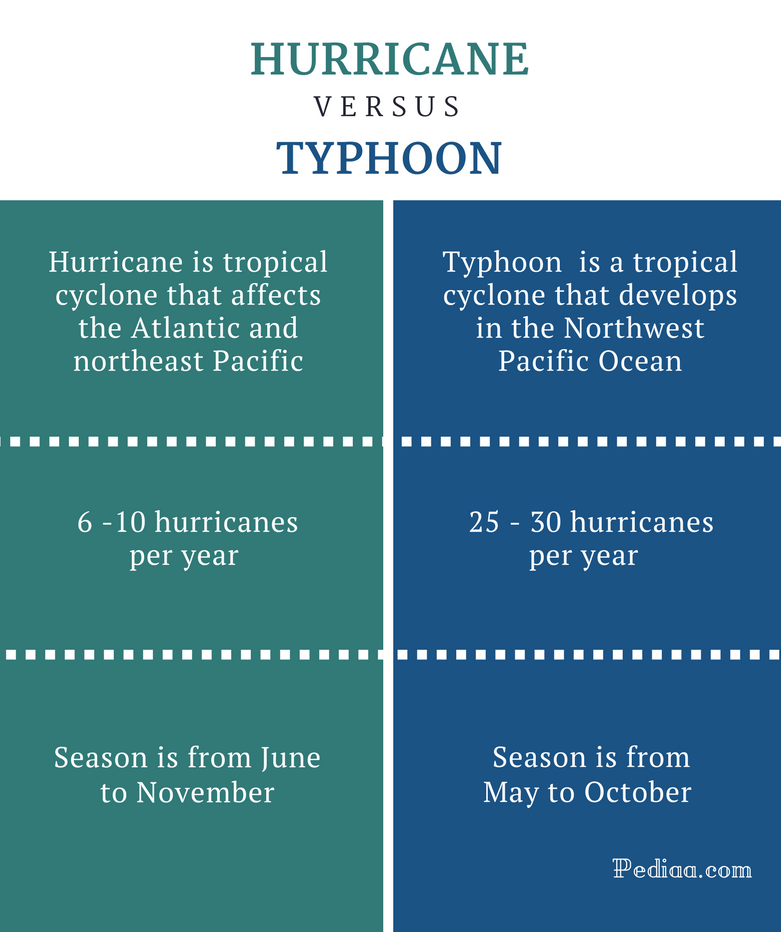
Here's the deal: hurricanes and typhoons are actually the same type of storm. They're both tropical cyclones. Think of them as twins, separated by a vast ocean.
The only difference is where they hang out. Location, location, location, right? This is what makes these storms unique.
So why the different names? It's all about the address!
Location, Location, Location!
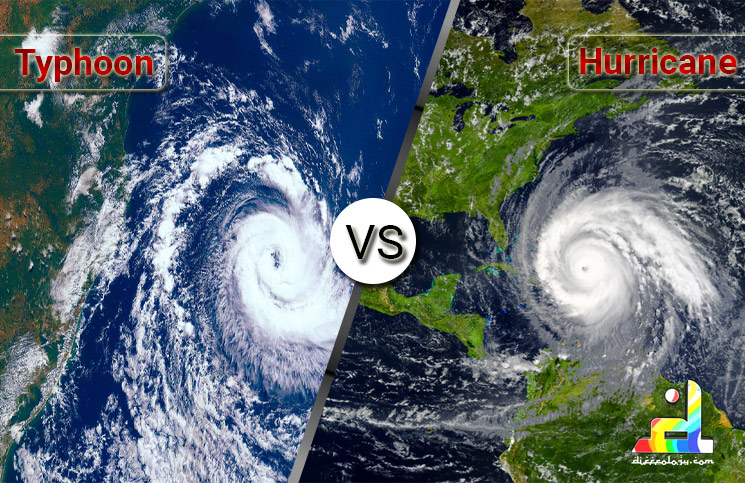
Hurricanes are the cool kids of the Atlantic and Northeast Pacific. They make headlines when they threaten places like Florida, the Caribbean, and even parts of Mexico.
Now, let's talk about typhoons. These swirling beasts dominate the Northwest Pacific. They frequently impact Japan, the Philippines, and China.
Basically, if a big spinning storm is brewing in the Atlantic, it's a hurricane. If it's stirring up trouble in the Northwest Pacific, it's a typhoon!
Tropical Cyclone: The Umbrella Term
To be super precise, both hurricanes and typhoons are types of tropical cyclones. It's the broad scientific term for these rotating storm systems.
Tropical cyclones are characterized by low-pressure centers and thunderstorms. They produce strong winds and heavy rain. Sounds pretty intense, doesn't it?
So, tropical cyclone is the umbrella, and hurricane and typhoon are underneath it. Think of it as a family portrait of weather phenomena!
What Makes These Storms Tick?
These storms need warm ocean water to survive. The warmer the water, the more energy they have. This is why they typically form in tropical regions.
As warm, moist air rises, it creates a low-pressure area. More air rushes in to replace it, and the Earth's rotation causes the air to spin.
And just like that, you've got the beginnings of a tropical cyclone! Nature's pretty amazing, isn't it?
Measuring the Fury: The Saffir-Simpson Scale
Scientists use the Saffir-Simpson Hurricane Wind Scale to classify hurricanes. This scale ranks storms from Category 1 to Category 5.
Category 1 storms have winds of 74-95 mph. Category 5 storms, the most intense, have winds of 157 mph or higher!
For typhoons, different regions use slightly different scales. But they all measure the storm's intensity based on wind speed.
Why Should We Care?
These storms can cause immense damage. They can bring destructive winds, torrential rain, and devastating storm surges. The impact can be significant.
Understanding these storms helps us prepare for them. It allows communities to take necessary precautions and save lives.
Staying informed is key. Knowledge empowers us to stay safe during severe weather events.
More Than Just Wind and Rain
These storms have a profound impact on coastal ecosystems. They can reshape coastlines, damage coral reefs, and disrupt marine life.
The recovery from a major hurricane or typhoon can take years. Communities rebuild, and ecosystems slowly recover. The resilience of nature is impressive.
These powerful storms are a reminder of nature's force. Respect and awareness are critical when living in affected areas.
The Human Element: Naming the Storms
Did you know that hurricanes and typhoons are given names? It's a way to easily identify and track them. Think of it as their personal brand!
The World Meteorological Organization maintains lists of names. They rotate every six years, unless a storm is so devastating that its name is retired.
Imagine having your name forever associated with a powerful weather event! It's quite a legacy, albeit a destructive one.
Beyond the Science: The Cultural Impact
In many cultures, these storms hold a significant place in folklore. They're often seen as powerful forces of nature, both destructive and awe-inspiring.
Stories and legends about these storms are passed down through generations. They serve as reminders of the power of nature and the importance of respecting it.
These stories connect people to their environment. They foster a deeper understanding of the world around them.
Tracking the Titans: Technology to the Rescue
Scientists use advanced technology to track these storms. Satellites, radar, and weather models help predict their path and intensity.
This information is crucial for issuing warnings and preparing communities. Early warnings can save countless lives.
The advancements in weather forecasting are truly remarkable. It is an ongoing effort to improve accuracy and provide timely information.
So, Are They the Same?
To recap: hurricanes and typhoons are the same type of storm – tropical cyclones. They simply go by different names depending on their location.
Think of it like this: they are siblings who live on different sides of the world. They share the same DNA but have distinct personalities.
Now you're equipped to impress your friends with your weather knowledge! Go forth and share your newfound expertise.
A Call to Action: Stay Informed and Prepared
Whether you live in an area prone to hurricanes or typhoons, staying informed is vital. Pay attention to weather forecasts and heed warnings.
Prepare an emergency kit with essential supplies. Know your evacuation routes. Be ready to act if a storm threatens.
Preparedness is key to staying safe. Taking proactive steps can make all the difference.
The End (of the Explanation, Not the Storms!)
We hope this article has cleared up any confusion about hurricanes and typhoons. Remember, they're both powerful forces of nature that deserve our respect.
Keep learning, keep exploring, and keep an eye on the sky! The weather is always full of surprises. Who knows what meteorological mysteries await us next?
Now go forth and amaze everyone with your knowledge of the wild world of weather!
Learn More About Tropical Cyclones
Want to dive deeper into the science of these storms? There are tons of resources available online and in libraries.
Explore the websites of the National Hurricane Center and the World Meteorological Organization. Delve into books and documentaries about extreme weather events.
The more you learn, the better you'll understand the power and complexity of nature. It's a fascinating subject with endless possibilities for discovery.
A Final Thought: Respect the Power
Hurricanes and typhoons are a reminder of the immense power of nature. They can be both awe-inspiring and destructive.
Respecting that power and understanding these storms is crucial for staying safe. Knowledge is key.
Stay informed, be prepared, and appreciate the incredible forces that shape our planet.