Let's face it, cooking is a necessity, but it can also be a joy! And the heart of any kitchen is, without a doubt, the stove. For generations, the debate has raged: gas vs. electric. Which reigns supreme? Which offers the ultimate culinary experience? It's a question that sparks passion in home cooks and professional chefs alike. This isn't just about boiling water; it's about control, efficiency, and, let's be honest, a little bit of kitchen bragging rights.
The purpose of a stove is simple: to provide heat for cooking. But the way that heat is delivered, and how efficiently it's controlled, makes all the difference. Both gas and electric stoves have their strengths and weaknesses. Understanding these differences will help you decide which one best suits your cooking style and your needs.
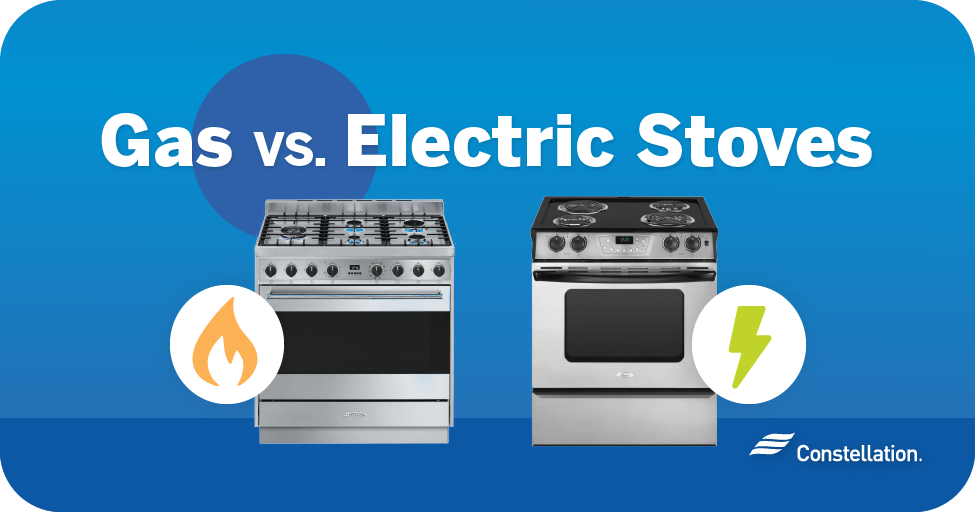
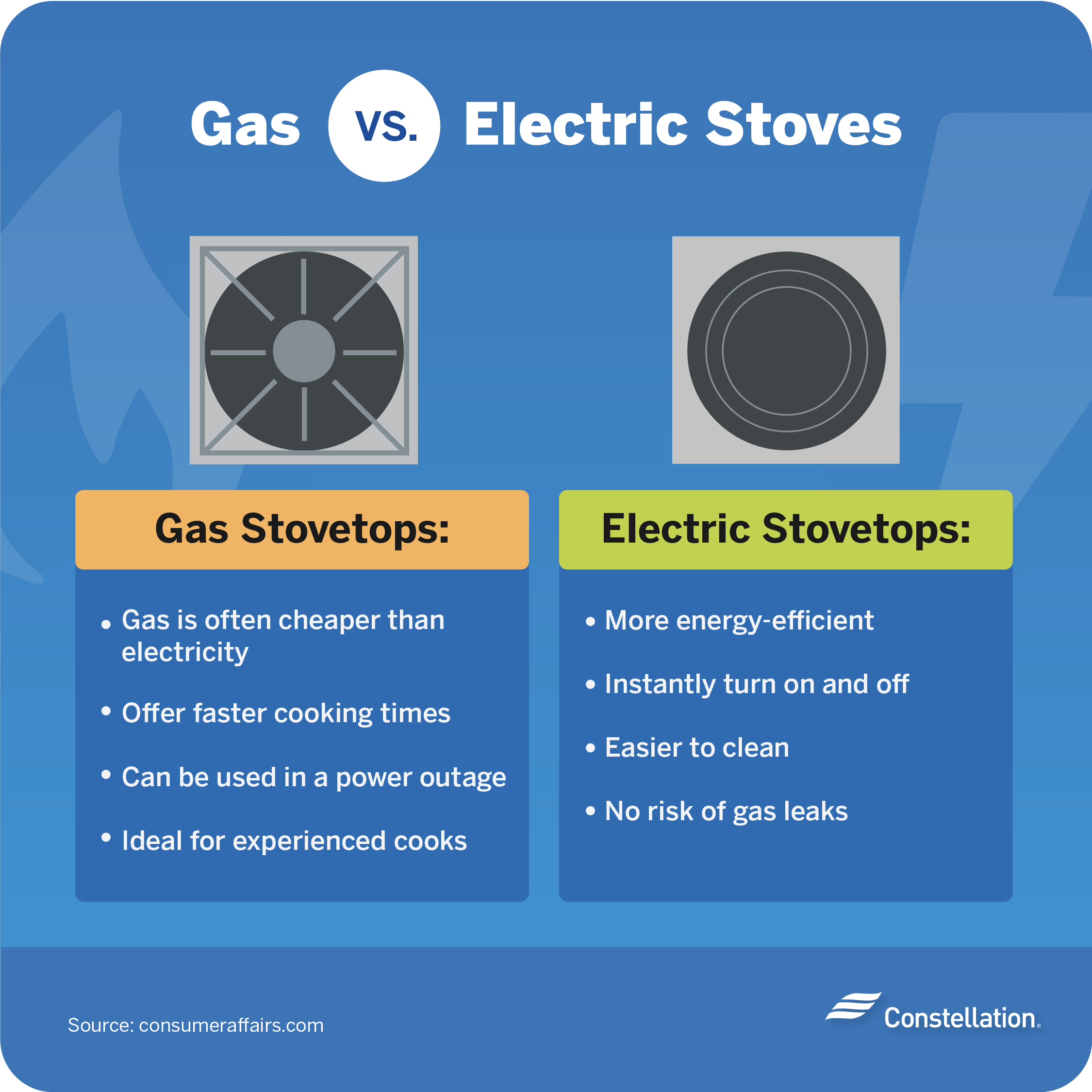
Let's start with gas stoves. The biggest draw is often the instant heat and the visual feedback. You can see the flame, immediately adjust the temperature, and know exactly what level of heat you're working with. Many chefs swear by gas for its responsiveness and control, especially for techniques like stir-frying where quick temperature changes are crucial. Gas stoves also tend to work even during a power outage (assuming they have a pilot light or you can manually light them). On the downside, gas stoves can be less energy-efficient than electric, and there's always the potential for gas leaks if they're not properly maintained. Cleaning around the burners can also be a bit of a chore.
Now, let's turn up the heat on electric stoves. Electric stoves come in two main types: traditional coil burners and smooth-top (ceramic or induction) surfaces. Coil burners are the more budget-friendly option, but they can be slow to heat up and cool down, and temperature control can be less precise. Smooth-top electric stoves are generally easier to clean and offer a sleeker look. Induction stoves, a type of smooth-top, are where electric really shines. They use electromagnetism to directly heat the cookware, making them incredibly fast, efficient, and responsive. However, induction requires compatible cookware (magnetic bottoms are a must!). Electric stoves are generally considered safer than gas stoves as there is no open flame or risk of gas leaks. The downside? They're completely useless if the power goes out.
So, which is "better"? The truth is, it depends! If you prioritize instant heat and visual control and don't mind a bit more maintenance, gas might be your go-to. If you value ease of cleaning, safety, and energy efficiency (and especially if you're considering induction), electric could be the winner. Consider your budget, your cooking habits, and your personal preferences. There's no single "best" answer, just the best stove for *you*.
Ultimately, the perfect stove is the one that empowers you to create delicious meals and enjoy the process. So, do your research, weigh the pros and cons, and get ready to cook up a storm!