Hey friend! So you're staring at that sad, lonely dryer, contemplating an upgrade? Maybe it's finally decided to retire (or maybe you're just tired of its quirks). And the big question pops up: Electric dryer vs. gas dryer - which one reigns supreme? Don't worry, I'm here to break it down for you, no PhD in appliance engineering required!
The Great Dryer Debate: Round One!
First things first, let's talk about the basics. Both electric and gas dryers basically do the same thing: tumble your wet clothes and blast them with hot air until they're fluffy and dry. Think of it as a personal sauna for your favorite t-shirt. The difference lies in how they create that heat.
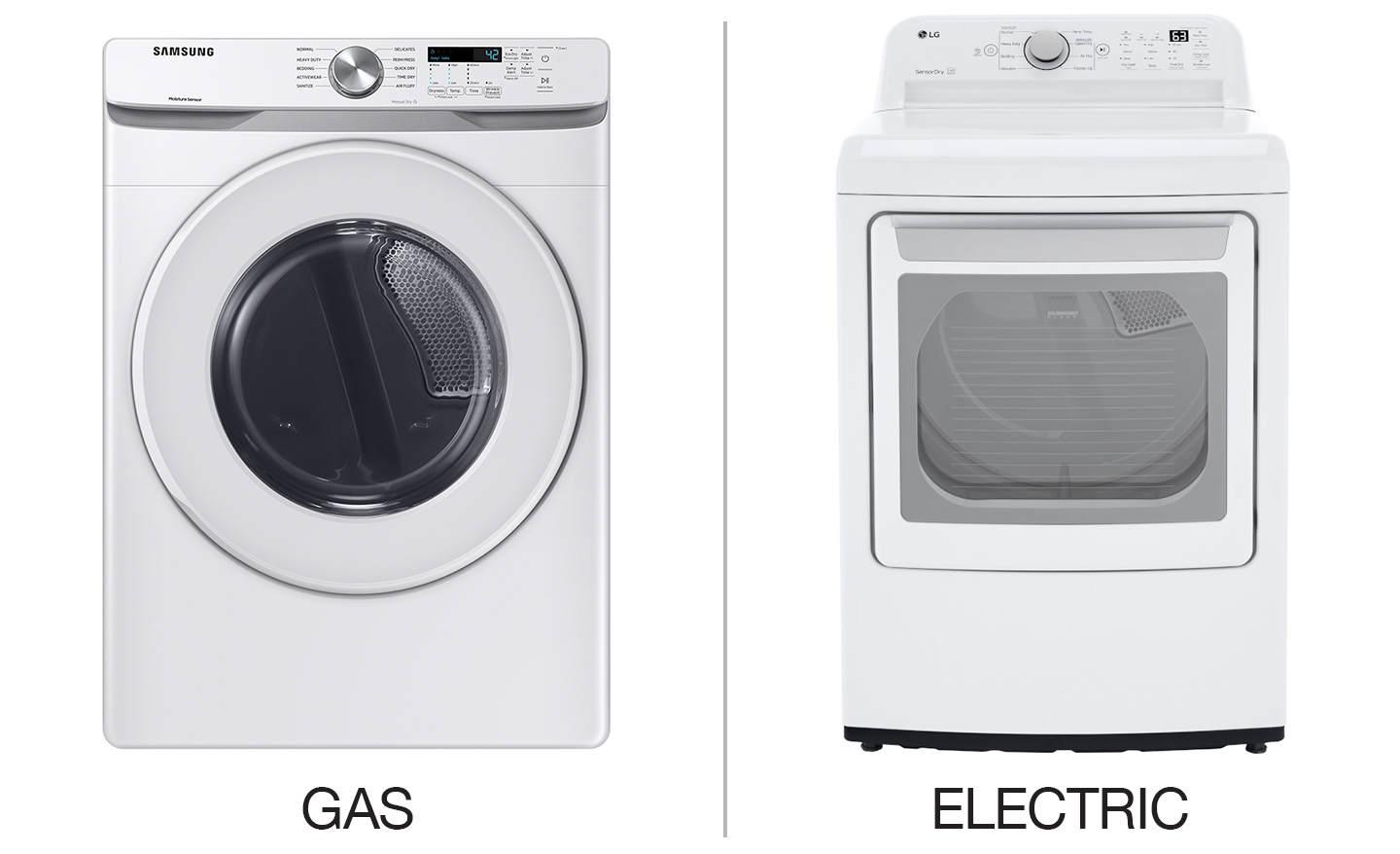
Electric dryers use, well, electricity (duh!). They have a heating element that gets scorching hot when you plug 'em in. Gas dryers, on the other hand, use natural gas or propane to fire up a burner. It's like a mini-campfire inside your laundry room... except hopefully less smoky. Unless you're into that, I guess?
Cost Considerations: Show Me the Money!
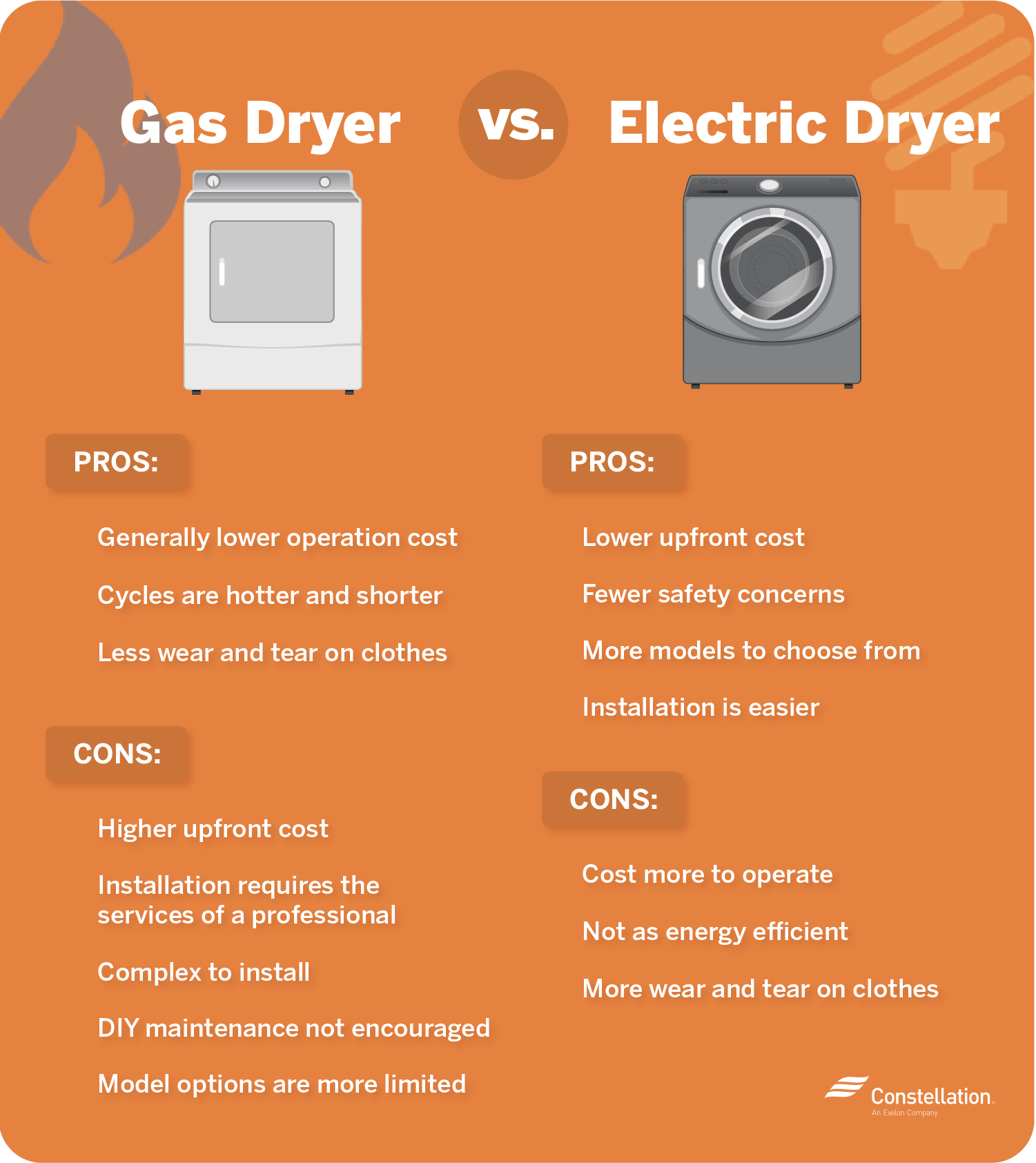
Alright, let's get down to the nitty-gritty: the money. Generally, electric dryers are cheaper to buy upfront. Woohoo! But hold your horses (or should I say, hold your laundry?). Gas dryers *tend* to be more efficient, meaning they might cost you less to run in the long run. Think of it as paying a little more for a fuel-efficient car. Over time, you could save some serious moolah.
However, gas dryers often need professional installation because, you know, dealing with gas lines isn't exactly a DIY project for the faint of heart. Adding a gas line if you don't already have one can seriously inflate the overall cost. Electric dryers, meanwhile, are usually a simple plug-and-play affair (assuming you have the right outlet – more on that later!).
Installation Woes (and Wins!)
Speaking of outlets, electric dryers typically need a special 240-volt outlet. It's the kind of outlet your oven or window AC unit probably uses. If you don't have one, you'll need an electrician to install it, which adds to the overall cost. Cha-ching!
Gas dryers, while potentially needing gas line installation, can usually plug into a standard 120-volt outlet. So, if your laundry room is already set up for a gas dryer, you might be good to go. It all depends on your existing setup.
Drying Performance: Get Ready to Fluff!
Now, the million-dollar question: which one dries clothes better? Traditionally, gas dryers have been known for drying clothes faster. They can heat up quickly and efficiently, getting your laundry done in a jiffy. Think of it as the speed demon of the dryer world.
However, modern electric dryers have come a long way! They are now designed with smart sensors and improved heating elements to offer comparable drying times. Plus, some electric dryers have steam cycles that help to reduce wrinkles and freshen up clothes. So, the playing field is leveling out.
Safety First, Always!
Let's talk safety. Both types of dryers can be perfectly safe when used correctly. But gas dryers do have a few extra considerations. You'll want to ensure proper ventilation to prevent carbon monoxide buildup. Regular maintenance is also key to keep everything running smoothly and safely. Carbon monoxide detectors are your friend!
The Verdict: It Depends!
So, what's the final answer? It depends! (I know, that's the most annoying answer ever, but it's true!). There's no universally "better" dryer. The best choice for you depends on your budget, existing laundry room setup, energy costs in your area, and personal preferences. Consider it like choosing your favorite ice cream flavor, but slightly more important!
If you're on a tight budget upfront and already have a 240-volt outlet, an electric dryer might be the way to go. If you're planning to stay in your home for a while and can invest in gas line installation (if needed), a gas dryer might save you money in the long run. Do some research, compare models, and consider all the factors involved. And hey, don't be afraid to ask your friendly neighborhood appliance expert for advice!
No matter which dryer you choose, remember to clean that lint trap religiously! A clogged lint trap is a fire hazard and will make your dryer work harder, wasting energy. Happy drying!