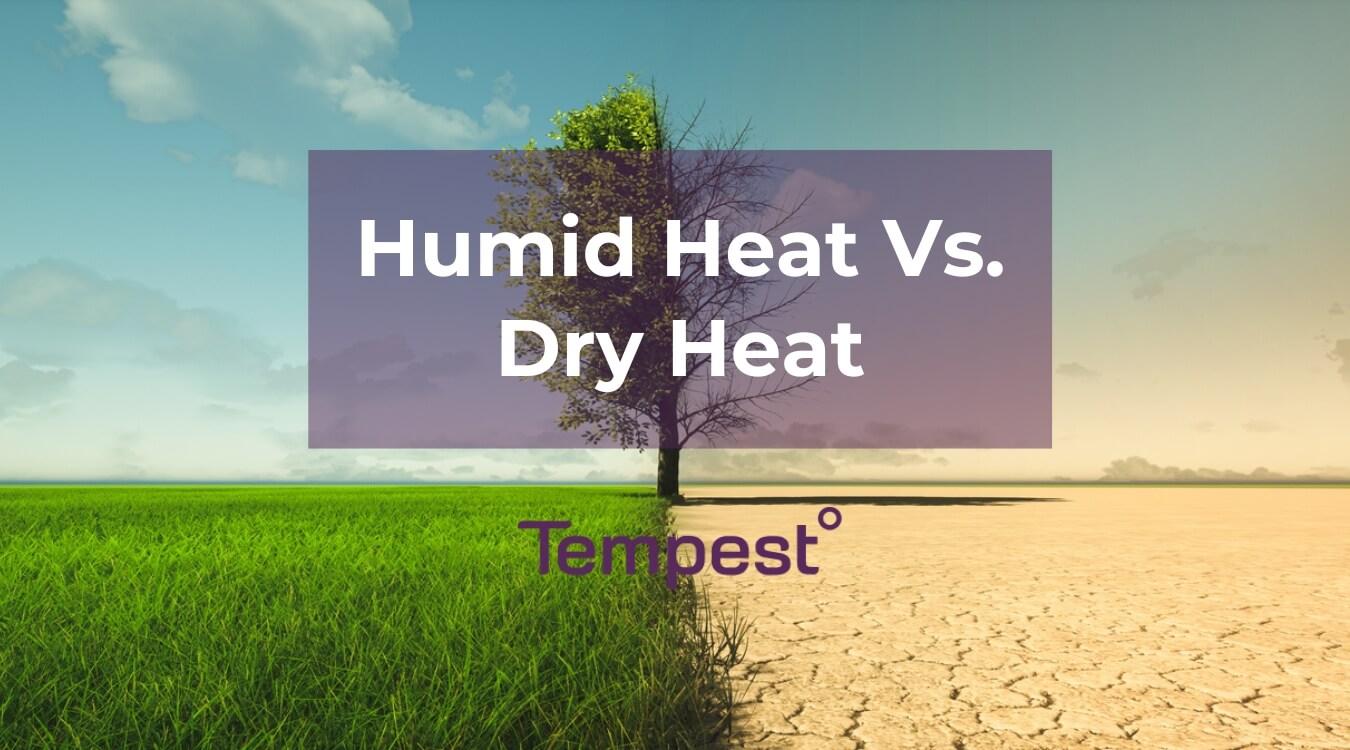
Okay, let's talk about heat. Not just any heat, but the kind that either makes you feel like a crispy critter or a walking, talking sponge. We're diving headfirst into the epic showdown: dry heat versus humid heat! Which one reigns supreme? Which one will leave you feeling less like a melted popsicle? Let's find out! (Spoiler alert: it’s more complicated than you think!).
First, let's define our contenders. Dry heat, as the name suggests, is low in humidity. Think desert landscapes, scorching sunshine, and air that feels… well, dry. Like you’re breathing in a hairdryer, but a pleasant one. Okay, maybe not pleasant, but you get the idea.
Then we have humid heat. This is where the air feels thick, heavy, and saturated with moisture. Imagine stepping into a sauna that's also your backyard. Your clothes cling to you, your hair frizzes up, and you feel like you could swim through the air. Romantic, right? (Narrator: It’s not).
The Case for Dry Heat
So, why do some people swear by dry heat? The biggest reason is evaporation. In dry air, sweat evaporates much faster. And when sweat evaporates, it cools you down. It’s basic science, folks! Think of it as your body's own natural air conditioning system. When the air is dry, your body can actually do its job.
Plus, in dry climates, things tend to dry out quicker. No more that lingering damp feeling. Towels dry faster, clothes dry faster, and even your skin (sometimes too fast – gotta moisturize!).
Also, let’s be honest, there's something about the intense sunshine and clear skies of a dry climate that just feels invigorating. You might feel hot, sure, but it’s a 'get-things-done' kind of hot. A motivational hot! Am I the only one who feels this way?
The Case for Humid Heat (Yes, There Is One!)
Now, before all you dry heat enthusiasts start celebrating, let's not write off humid heat completely. While it definitely has its downsides (we’re looking at you, perpetual stickiness!), it does offer some advantages. Believe it or not.
One key benefit is that humid air doesn’t dry out your skin as much. That dry, cracked feeling you get in the desert? Less of a problem in humid climates. Think of it as a constant, subtle moisturizing treatment. (Okay, maybe not a *treatment*, but you get the gist).
And get this: some studies suggest that humid air can actually be better for your respiratory system. The moisture can help soothe irritated airways and make breathing easier, especially for people with asthma or allergies. Who knew?
Plus, humidity often goes hand-in-hand with lush greenery and vibrant ecosystems. Think rainforests, tropical islands, and landscapes bursting with life. It’s hard to deny the beauty of a humid environment. Think Hawaii and Florida, for instance.
The Real Verdict: It's All About Perception (and Hydration!)
The truth is, there's no definitive "better" when it comes to dry versus humid heat. It really boils down to personal preference. Some people thrive in dry climates, while others find humid climates more tolerable. It's like asking if chocolate or vanilla ice cream is better – it just depends on what you like!
More importantly, how your body handles heat is dependent on how acclimated you are. A person from Arizona visiting Florida will melt, and vice-versa.
Regardless of the type of heat you're dealing with, hydration is key. Drink plenty of water, wear loose-fitting clothing, and take breaks in the shade or air conditioning when needed. Your body will thank you for it!
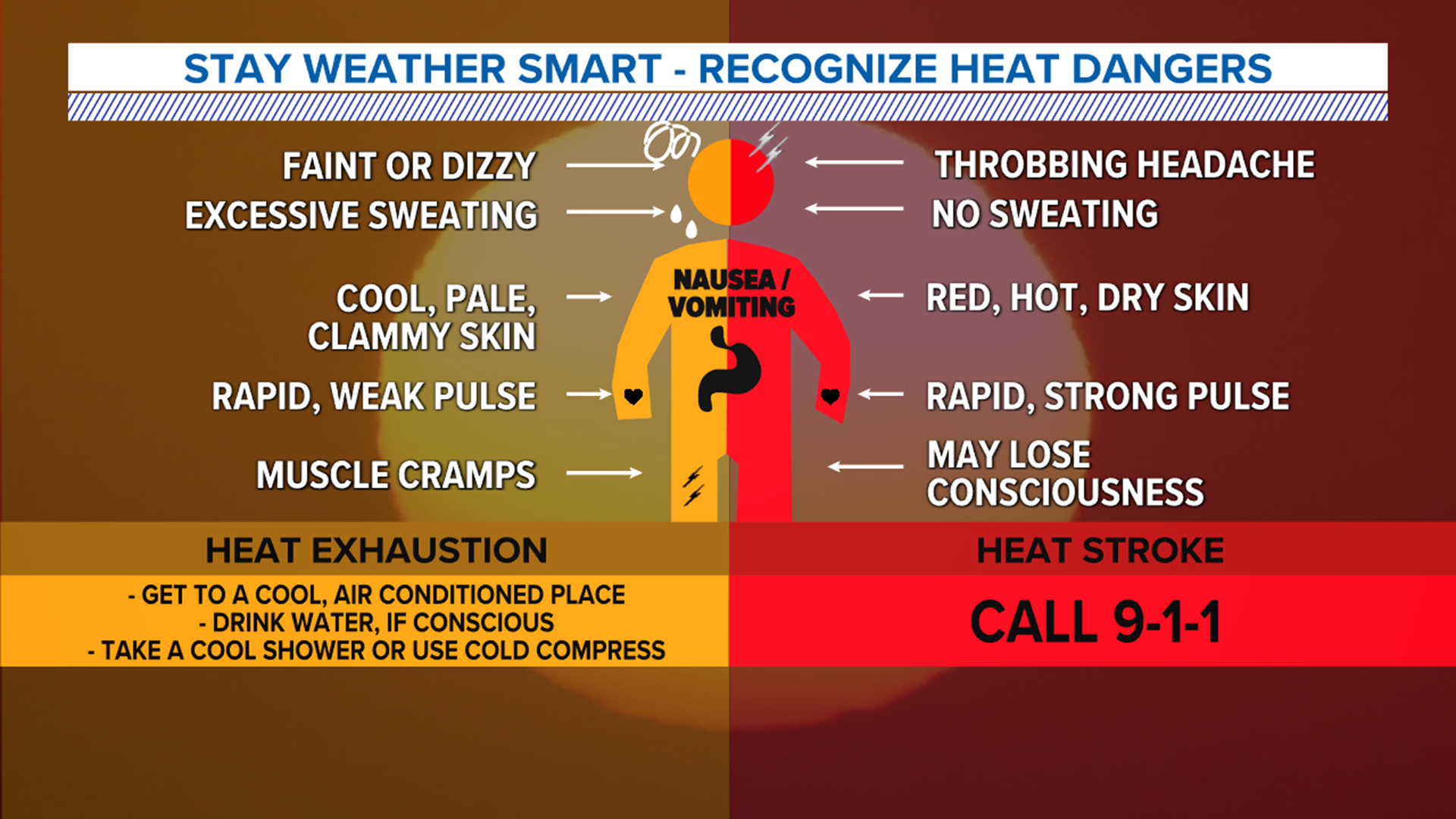
Also, pay attention to your body's signals. If you're feeling dizzy, nauseous, or excessively tired, get out of the heat immediately and seek medical attention if necessary. Heat stroke is no joke!
Beyond Comfort: Exploring Heat's Impact
This discussion goes beyond personal comfort, you know. Understanding how different climates affect us can lead to so much more. Think about architecture – homes designed for dry climates often prioritize shade and ventilation, while homes in humid climates might focus on moisture control and air circulation. Then there's agriculture – different crops thrive in different climates, shaping the food we eat and the economies of entire regions.
Even our leisure activities are influenced by the weather. Hiking in the desert requires different strategies and gear than exploring a tropical rainforest. And let's not forget the impact on energy consumption – air conditioning is a necessity in many hot climates, but it also contributes to greenhouse gas emissions. It's all interconnected!
So, the next time you find yourself sweating (or not sweating, depending on your climate!), take a moment to appreciate the complexities of heat and its impact on our lives. It's a fascinating topic, and there's always more to learn.
Now go forth and explore the world of heat, armed with your newfound knowledge and a healthy dose of curiosity! And remember, whether you prefer the crispy dryness of the desert or the sticky embrace of the tropics, embrace the heat! (Responsibly, of course!). Who knows? Maybe you'll discover a hidden passion for meteorology, climatology, or even just the perfect way to stay cool on a hot day. The possibilities are endless!