Hey there, energy explorers! Ever wonder about the stuff that powers our world? I mean, really powers it? Let's dive into a question that's been burning (pun intended!) for ages: Is coal a non-renewable resource?
Buckle up, because we're about to unravel this geological mystery with a sprinkle of fun and a whole lot of "aha!" moments.
Digging Deep: What Makes a Resource "Renewable"?
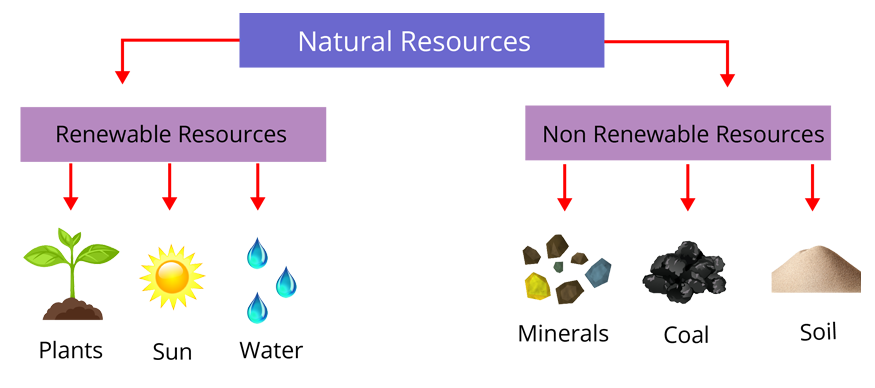
Okay, so what even is a renewable resource? Think sunshine, wind, and water. These are the rockstars of the energy world that are constantly being replenished by Mother Nature. They're like the Energizer Bunny – they keep going and going! We can use them without worrying (too much!) about running out.
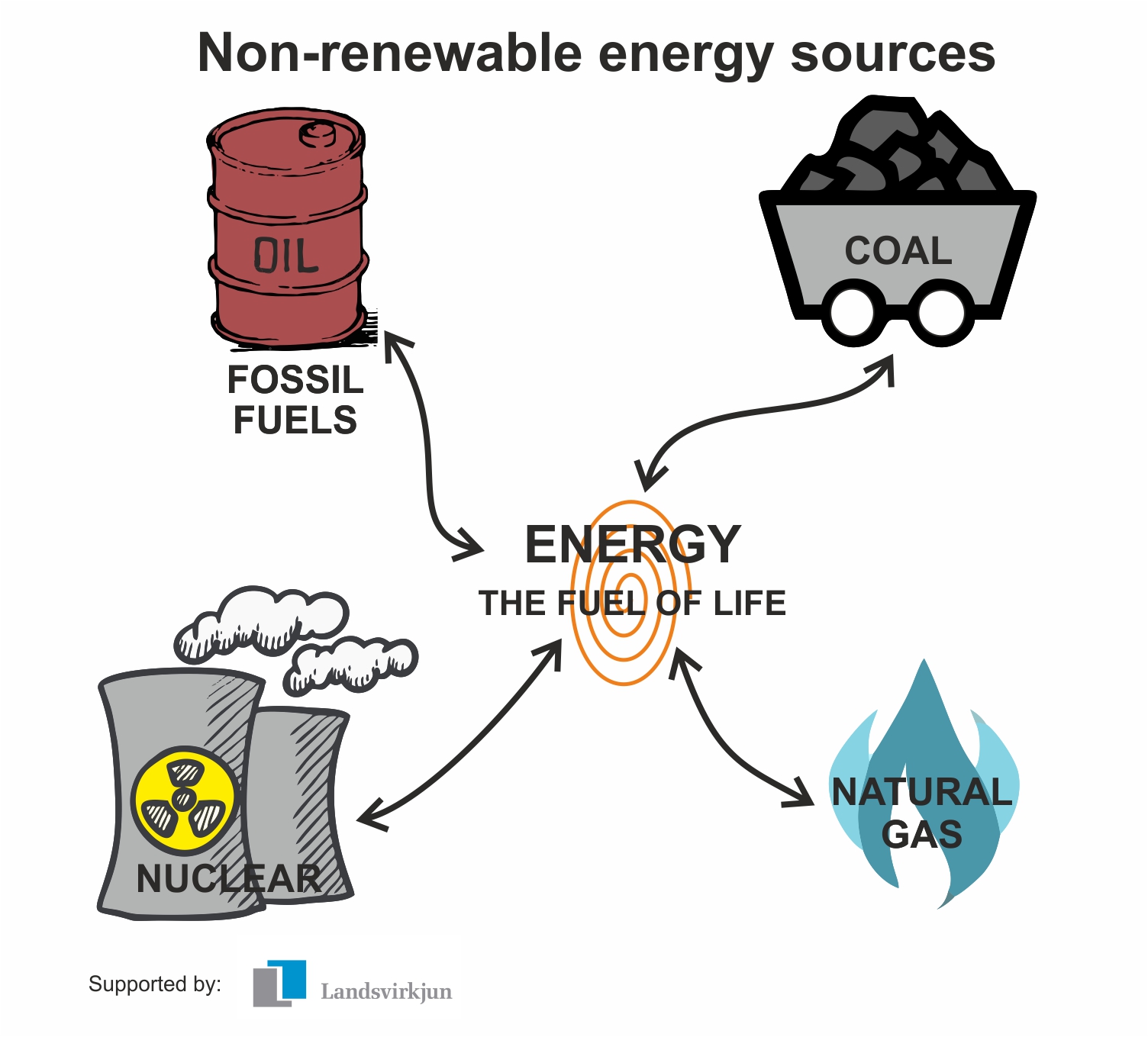
Non-renewable resources? Well, they're a different breed. We're talking about things like oil, natural gas, and...you guessed it... coal. These resources are formed over millions of years. Yeah, you read that right, millions! So, once we use them up, they're gone. Kaput. Finito! (At least, within a timeframe that matters to us humans).
Coal: The Ancient Fuel
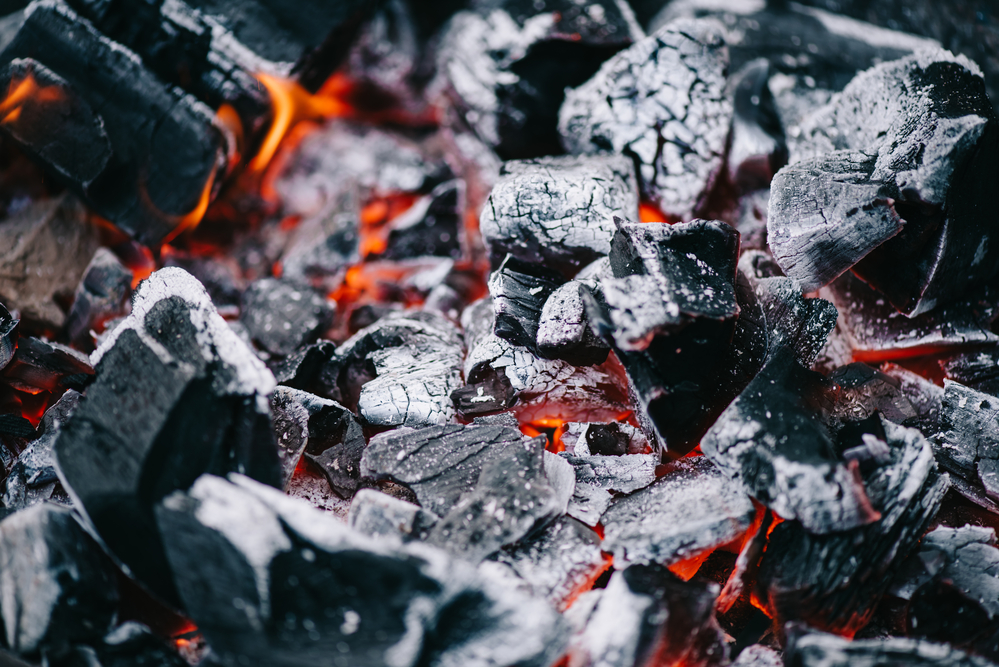
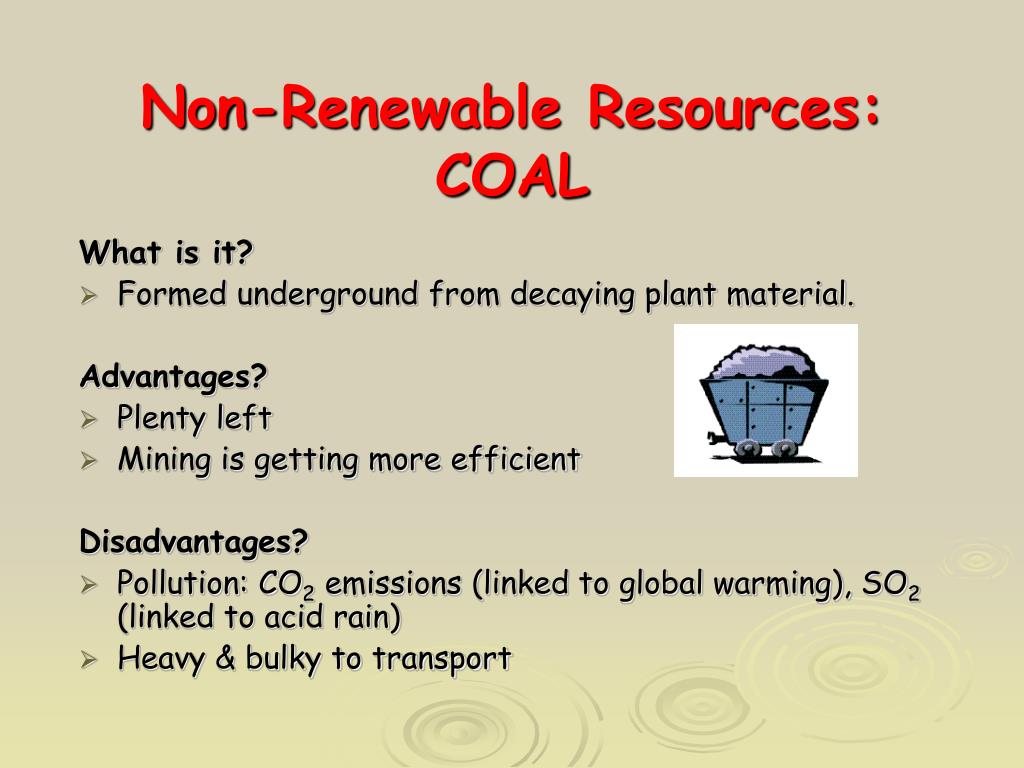
So, where does coal fit into this picture? Let's journey back in time – way back! Think prehistoric swamps teeming with plant life. Over eons, these plants died, decayed, and got buried under layers of sediment. The immense pressure and heat transformed them into the black, combustible rock we know as coal.
It's basically fossilized sunshine! Pretty cool, huh? These ancient forests stored solar energy, and now we're tapping into that energy to power our homes and industries. But here's the catch: It takes an incredibly long time to create coal. We're talking geological timescales, not human ones.
Think about it: even if we started planting massive forests today, waiting millions of years isn't exactly a viable energy solution for, say, next Tuesday. (Unless you've invented a time machine... in that case, call me!).
The Verdict: Coal is a Non-Renewable Resource
Alright, let's cut to the chase: coal is absolutely a non-renewable resource. There’s just no getting around it. We are consuming it much, much faster than it can be naturally replenished. The rate at which it forms is geological and far beyond human scale.
Here’s why it's important: We have finite supplies. Every lump of coal we burn is one less lump available for future generations. Okay, that might sound a bit doom-and-gloom, but it’s a reality check that pushes us to think about sustainable energy sources. We need to find ways to power our world without depleting our planet's limited resources.
Why Should You Care? (It's More Fun Than You Think!)
Now, you might be thinking, "Okay, that's interesting, but why should I care?" Well, for starters, understanding where our energy comes from is just plain empowering. Knowledge is power, my friends! And when you understand the energy landscape, you can make more informed choices about your own energy consumption.
Imagine being the smartest person at your next dinner party (or at least knowing more about energy than everyone else!). Plus, being energy-conscious isn't just good for the planet; it can also be good for your wallet! Think about energy-efficient appliances, turning off lights when you leave a room, and exploring renewable energy options. (And now you get why you should always turn the lights off, your parents were actually onto something!)
The Future is Bright (and Powered by...?)
So, what’s the good news in all of this? The good news is that we are incredibly innovative creatures! The world is buzzing with new technologies and ideas for generating clean, sustainable energy. We are constantly improving our understanding of renewables, and finding new ways to harness the power of the sun, wind, and water. We're talking about solar panels that are more efficient than ever before, wind turbines that can withstand extreme weather, and geothermal energy that taps into the Earth's internal heat.
We, you, are part of the solution. By learning about the challenges and opportunities in the energy sector, we can become advocates for change. We can support policies that promote renewable energy, invest in sustainable technologies, and make conscious choices in our own lives.
The conversation about coal and renewable energy is an important one. It's a conversation about our planet's future, and we all have a role to play in shaping that future. Understanding the difference between renewable and non-renewable resources, like coal, is a great first step.
So, go forth, energy explorer! Learn more, ask questions, and be a part of the energy revolution. The future is waiting to be powered!