Ever admired the gleaming curves of a vintage lamp or the intricate details on a handcrafted doorknob? Chances are, you've encountered brass. This warm, golden alloy has captivated artists and artisans for centuries, not just for its aesthetic appeal, but also for its intriguing properties. One common question that pops up, especially for DIY enthusiasts and curious minds, is: Is brass a conductor or an insulator? Let's dive in!
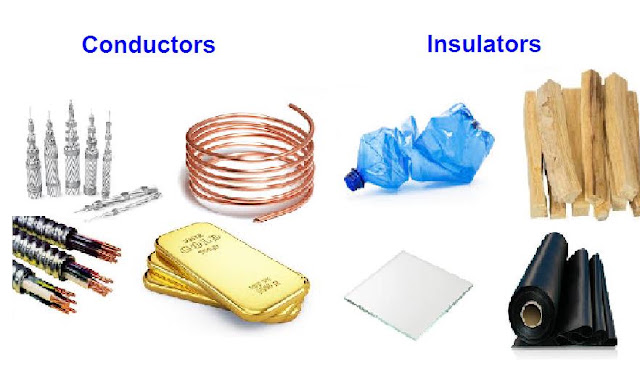
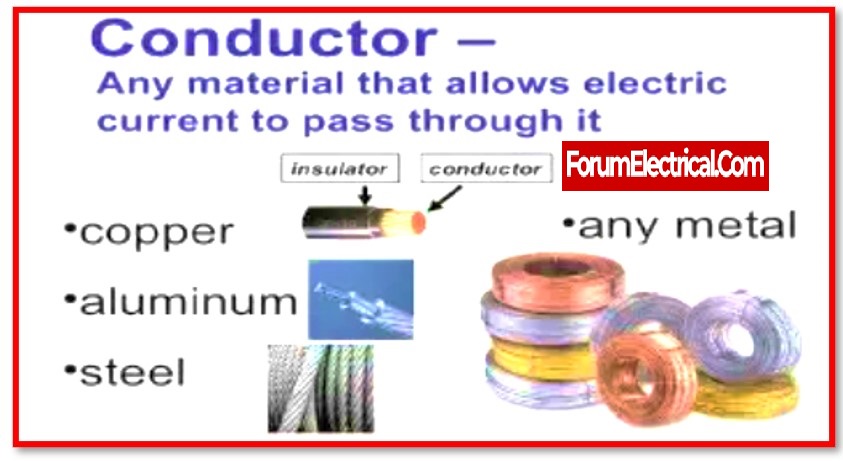
The short answer is: Brass is a conductor. But it's not quite as straightforward as copper or silver, which are known as excellent conductors. Brass is an alloy, a mixture of metals – primarily copper and zinc. The presence of zinc affects its conductivity, making it a less efficient conductor than pure copper, but still capable of carrying an electrical current.
Why does this matter for artists, hobbyists, and casual learners? Well, understanding brass's conductive properties opens up a world of creative possibilities. For example:
- Electronics Projects: While not ideal for high-power applications, brass components can be used in low-voltage circuits, adding a touch of elegance to steampunk-inspired gadgets or custom lighting fixtures. Imagine crafting a touch-sensitive lamp using brass contacts!
- Jewelry Making: Brass wire and findings are incredibly popular for jewelry making. Its conductivity allows you to integrate simple electronic elements, like LEDs, into your designs. Think illuminated pendants or rings!
- Sculpting and Model Making: Brass can be incorporated into kinetic sculptures or model trains, utilizing its conductive properties to create moving parts powered by electricity. The golden sheen adds a touch of realism and sophistication.
- Learning about Circuits: Brass can be a safe and accessible material to use when learning basic electrical circuits. Its lower conductivity provides a bit more margin for error than using highly conductive materials like copper.
Consider these examples: A steampunk-themed USB drive with a brass casing and exposed circuit elements, a delicate brass pendant that subtly glows with an embedded LED, or a miniature brass robot that shuffles across a table thanks to a small motor powered by a brass contact point.
Want to experiment with brass and electricity at home? Here are a few tips:
- Start Small: Begin with simple projects like wiring a single LED to a brass fitting.
- Use Low Voltage: Always use low-voltage power sources (like batteries) for safety.
- Wear Safety Glasses: Protect your eyes when soldering or working with electrical components.
- Research and Learn: There are tons of online resources and tutorials available for basic electronics.
Ultimately, working with brass is enjoyable because it combines practicality with beauty. You're not just creating something functional; you're crafting a piece with a unique character and a rich history. The warm color, the potential for patina, and the inherent elegance of brass make it a truly rewarding material to work with. So, go ahead, explore the conductive wonders of brass and let your creativity shine!