Hey there, curious minds! Ever stopped to think about the stuff that makes up the world around you? Like, really think about it? Today, we're diving into a question that might sound simple, but actually opens up a whole world of fascinating science: Is aluminum a solid, liquid, or gas?
Now, before you shout out an answer, let's take a moment. We all know aluminum, right? That shiny, lightweight metal that makes up soda cans, airplanes, and even some of your favorite cooking pots. (Yep, even that one you burned dinner in last week. Don't worry, we've all been there!)
The Obvious Answer (But Is It?)
So, what's the obvious answer? Solid, right? I mean, you can hold it, it doesn't flow like water, and it definitely doesn't float away like helium. But here’s the thing: everything is more complicated than it seems at first glance. Think about it: water is *usually* a liquid, but what happens when you put it in the freezer? Booyah! Ice, baby!
The state of matter something exists in depends on, drumroll please… temperature! Mind blown, right? (Okay, maybe not blown, but at least mildly intrigued, hopefully!)
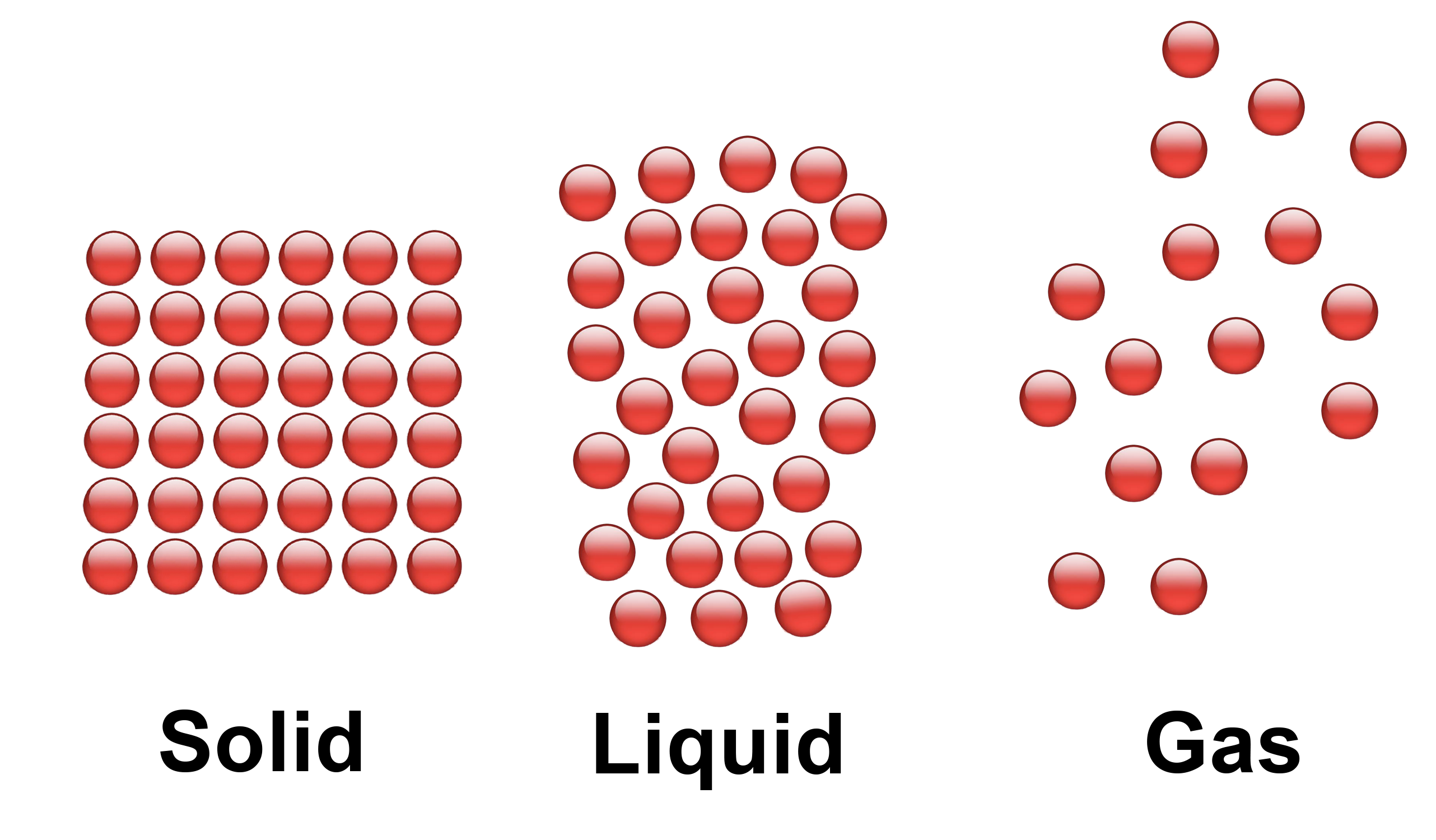
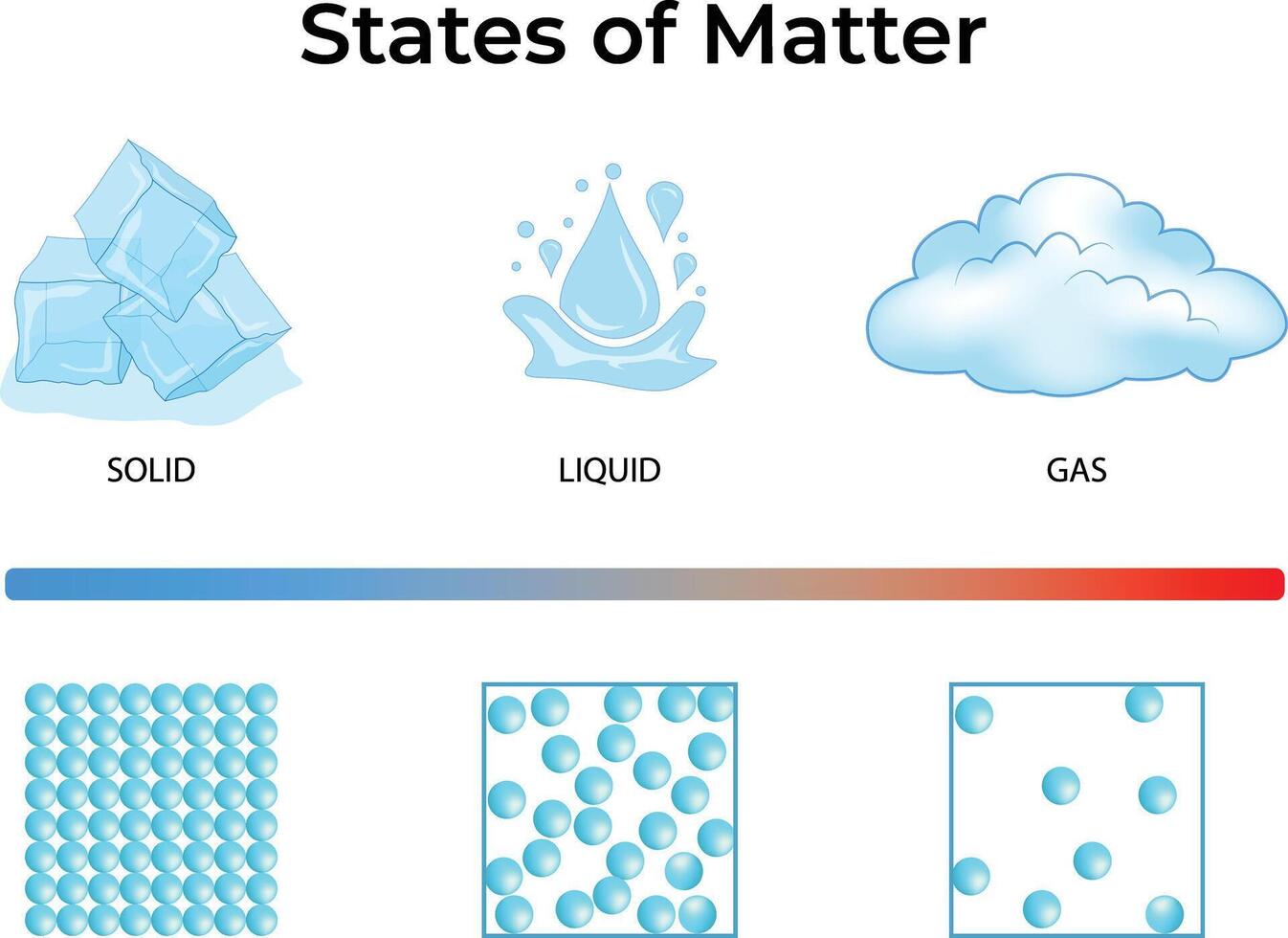
Let's break it down. Remember those science classes where you learned about solids, liquids, and gases? (Don't worry if you blocked them out. We're making it fun this time!) Solids have a definite shape and volume, liquids have a definite volume but take the shape of their container, and gases have neither a definite shape nor volume. Okay, maybe that wasn't so fun. Let's move on quickly...
Aluminum's Transformation: A Hot Topic (Literally!)
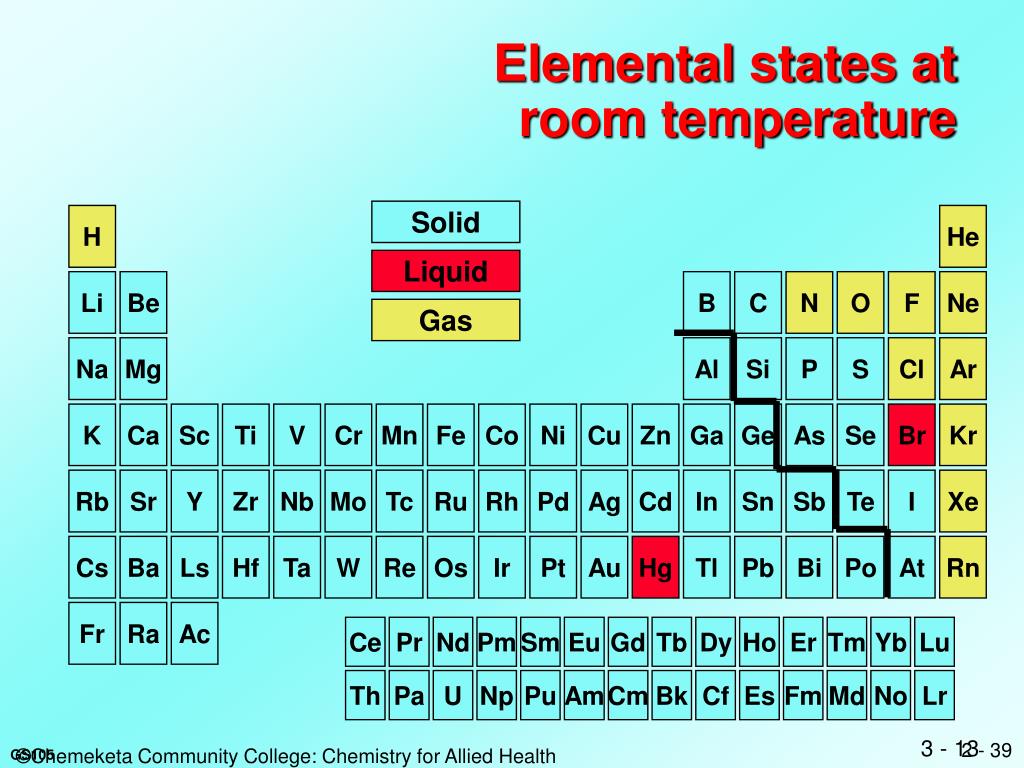
At room temperature, aluminum is a solid. No question about it. You can bang on it, shape it (to some degree), and build awesome things with it. But what happens when you crank up the heat? We're talking seriously hot here.
You see, aluminum, like most metals, has a melting point. This is the temperature at which it transitions from a solid to a liquid. For aluminum, that magic number is a whopping 660.32 degrees Celsius (1220.58 degrees Fahrenheit)! That's hotter than your oven will ever get, hotter than most volcanoes (though some lava can be hotter!), and definitely hotter than you'd want your morning coffee. (Unless you're some kind of super-human who enjoys molten lava for breakfast... in which case, you're awesome and slightly terrifying).
So, if you heat aluminum up to that temperature, it will indeed become a liquid. Imagine pouring liquid aluminum into molds to create different shapes! It's actually a common industrial process, and it's how many aluminum products are made.
But wait, there's more! Can aluminum become a gas? The answer is... yes! But you'd need to heat it to its boiling point, which is an insane 2,519 degrees Celsius (4,566 degrees Fahrenheit)! At that temperature, aluminum would vaporize into a gas. However, this is extremely rare in everyday life. You're not likely to see gaseous aluminum floating around your kitchen anytime soon (and if you do, you have *much* bigger problems than understanding states of matter!).
In short, aluminum *can* be a solid, liquid, or gas, depending on its temperature.
Why Does This Matter? (Besides Being Super Cool)
Okay, so knowing that aluminum can be a solid, liquid, or gas might not seem like the most practical information. But understanding the properties of materials, like their melting and boiling points, is crucial for all sorts of applications. Think about designing airplanes, building skyscrapers, or even just cooking your dinner! Engineers and scientists need to know how materials will behave under different conditions to ensure safety and efficiency.
And hey, isn't it just plain cool to understand how the world works? The more you know about the stuff around you, the more you can appreciate its complexities and the ingenuity of the people who use it every day.
Seriously, dive deeper! Look into different metals, their melting points, and how they’re used. You’ll be amazed at how much fascinating stuff is out there, just waiting to be discovered.
So, go forth and explore! The world of science is waiting, and it's full of exciting discoveries just waiting to be made. Who knows, maybe you'll be the next big innovator, using your knowledge of materials to create something amazing!