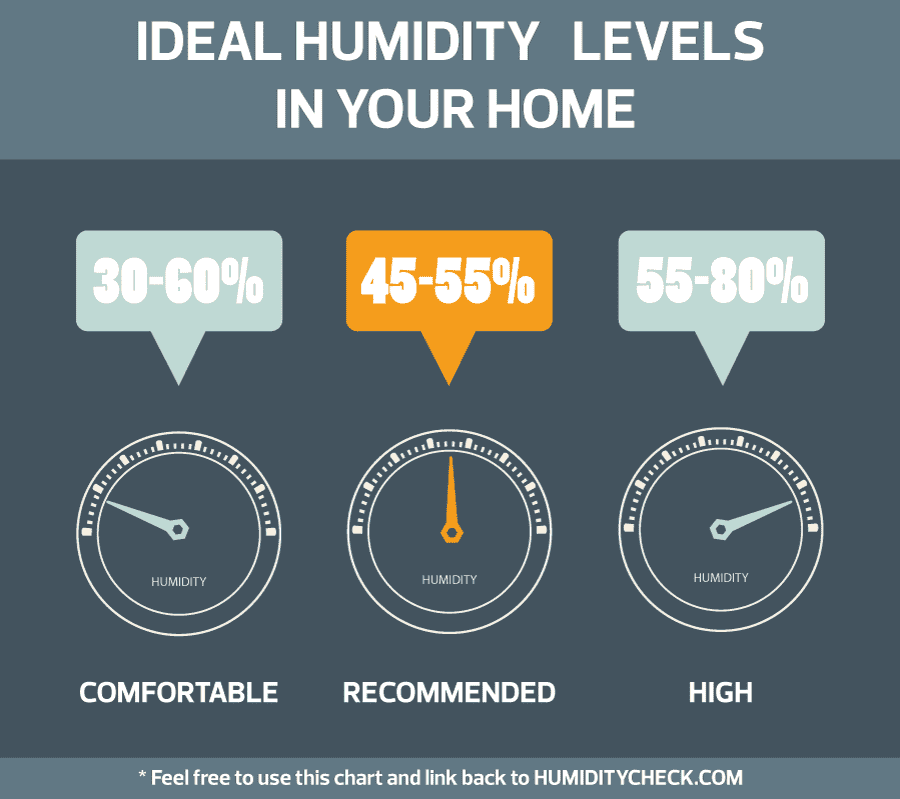
Okay, let's talk humidity! You've probably seen that little number pop up on your thermostat, or maybe you're just feeling it – that sticky, uncomfortable sensation that makes you want to crank up the AC and hide inside. So, you're wondering, "Is 55% humidity too high in my house?" Well, buckle up, because we're about to dive into the wonderful (yes, I said wonderful!) world of indoor humidity!
Why Should You Even Care About Humidity?
Great question! Why bother worrying about something you can't even see? Because, my friend, humidity can have a major impact on your comfort, your health, and even the well-being of your house itself. Think of it like this: Goldilocks wanted her porridge just right, and your house wants its humidity the same way.
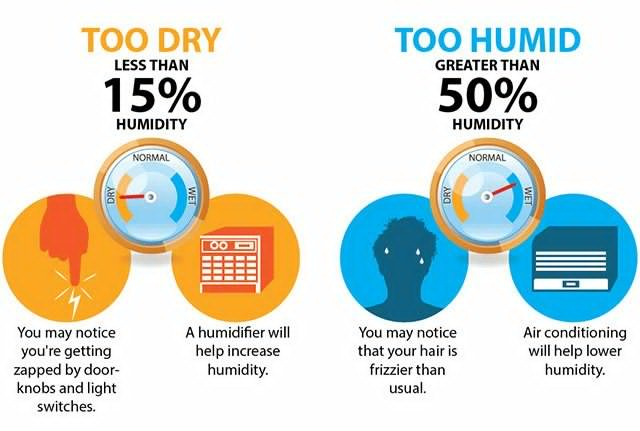
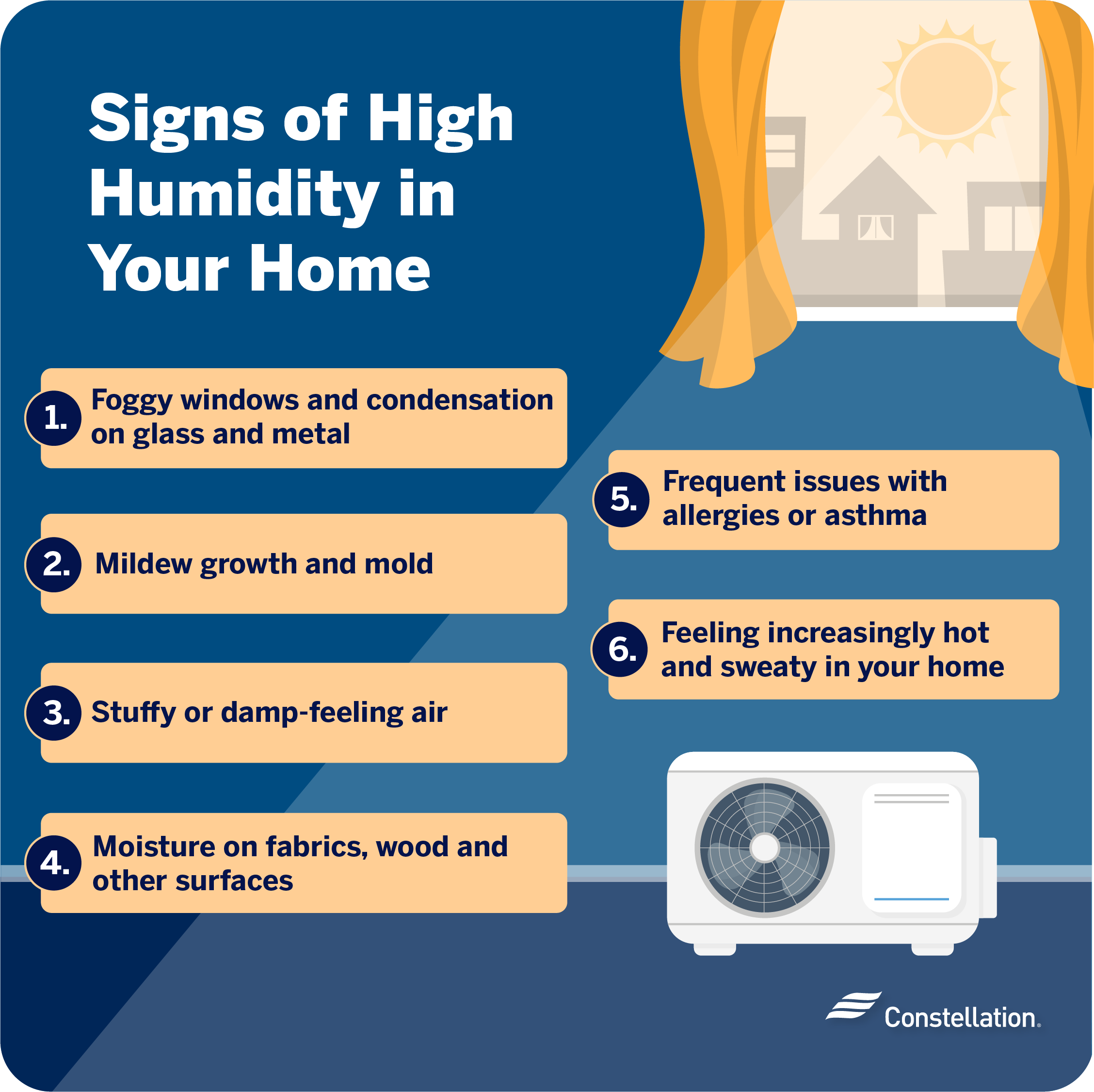
Too much humidity (like that 55% you're asking about) can lead to a whole host of problems. We're talking:
- Mold and mildew: The unwelcome houseguests that thrive in damp environments. Yuck!
- Dust mites: Microscopic critters that love humid conditions and can trigger allergies. Achoo!
- Sticky, uncomfortable feeling: Like you're walking around in a sauna (and not the relaxing kind!).
- Damage to your home: Warped wood, peeling paint, and condensation are all signs of excessive humidity. Not good for your investment!
On the other hand, too little humidity can also be a problem. Dry air can lead to:
- Dry skin and itchy eyes: Imagine feeling like a human raisin all the time. Not fun!
- Cracked furniture: Wood doesn't like being dried out any more than you do.
- Increased static electricity: Those annoying little shocks every time you touch a doorknob. Zap!
- Respiratory issues: Dry air can irritate your sinuses and make you more susceptible to colds.
So, Is 55% Too High? Let's Break It Down.
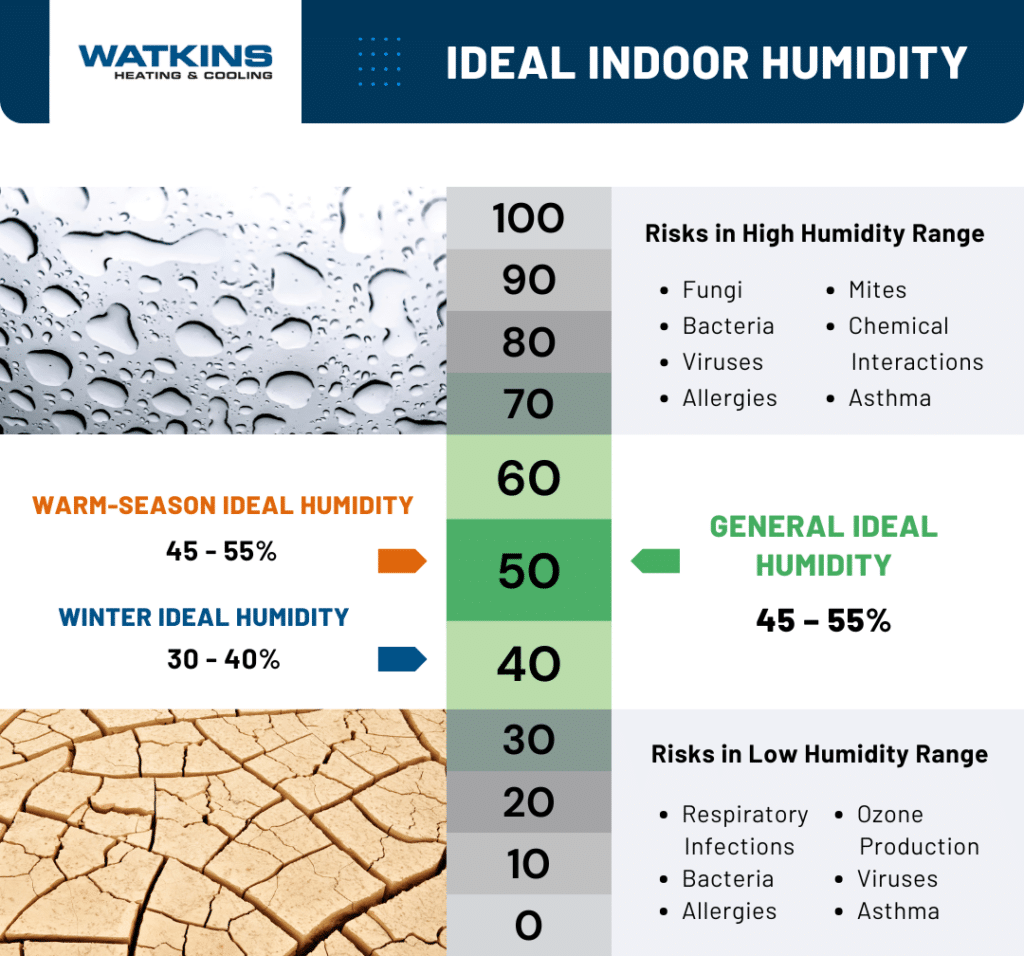
Generally speaking, the ideal indoor humidity level is between 30% and 50%. (Remember Goldilocks?). So, 55% is slightly on the higher side, especially if you're noticing any of the problems we talked about earlier. But don't panic! It's not an emergency situation. (Unless you actually see mold growing... then, yeah, call a professional!)
Think of it like this: a little over is better than way over. If your humidity were, say, 70% or 80%, that's when you'd really need to take action. But 55% is more like a gentle nudge that maybe you should pay a little attention to your home's moisture levels.
Now, where you live plays a huge role. If you live in a naturally humid climate (think Florida or the Gulf Coast), battling humidity is just part of life. 55% might be perfectly normal for your area, especially during certain times of the year.
What Can You Do About It? Easy Fixes!
Alright, so you've decided that 55% humidity is a little too high for your liking. What can you do about it? Thankfully, there are plenty of simple (and relatively inexpensive) solutions!
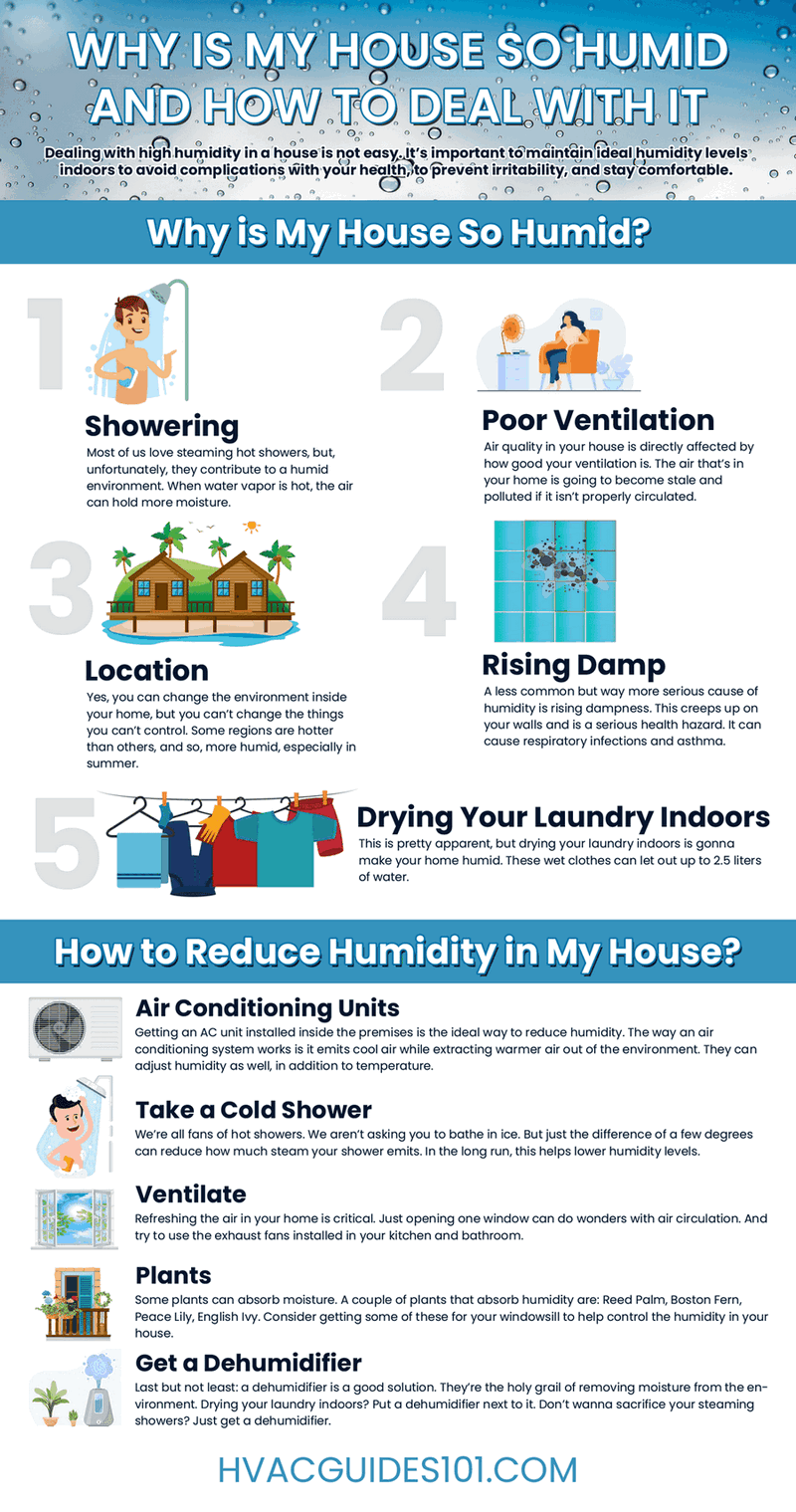
- Use your exhaust fans: Turn on the bathroom fan when you shower and the kitchen fan when you're cooking. This helps vent moisture outside. Duh, right? But you'd be surprised how many people forget!
- Open windows (when the weather allows): A little fresh air can do wonders for your home's humidity levels. But avoid opening windows on especially humid days, as that will defeat the purpose!
- Take shorter, cooler showers: Hot, steamy showers are lovely, but they pump a lot of moisture into the air. Consider shorter showers or lowering the temperature slightly.
- Fix any leaks: A leaky faucet or pipe can contribute to excess humidity. Address these issues promptly. A stitch in time saves nine, as they say!
- Consider a dehumidifier: If you live in a particularly humid climate, a dehumidifier might be a good investment. These devices suck moisture out of the air and can make a big difference in your comfort.
- Check your air conditioner: Make sure your air conditioner is working properly. A malfunctioning AC unit can actually contribute to higher humidity levels.
- Houseplants! Certain houseplants like peace lilies or Boston ferns can help absorb moisture from the air. Plus, they make your house look nice! It’s a win-win!
The Takeaway: Be Proactive and Informed!
The world of indoor humidity might seem a little daunting, but it doesn't have to be! By understanding the ideal humidity range for your home and taking steps to manage moisture levels, you can create a more comfortable, healthy, and enjoyable living environment. It's all about being proactive and informed!
And remember, 55% humidity isn't the end of the world. It's just a sign that maybe it's time to pay a little more attention to your home's climate. So grab your humidity monitor, do a little research, and get ready to breathe easier (literally!). You've got this!
Ready to delve deeper? There are tons of resources available online and at your local library to help you become a humidity pro. Go forth and conquer the climate of your castle!