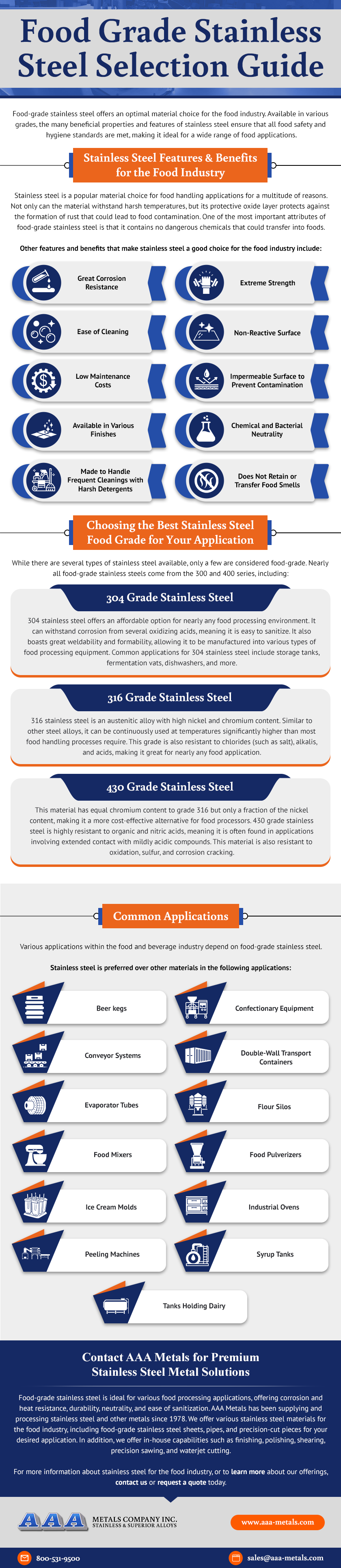
Hey there, foodies and kitchen gadget enthusiasts! Ever found yourself staring at that shiny new spatula, wondering if it's actually safe to use? Or maybe you’re building your own pizza oven (ambitious, I like it!) and need to know the best materials. Let's talk stainless steel, specifically 430 stainless steel. And the burning question: is it food grade?
Think of stainless steel like a family. A big, happy (mostly) family with lots of different members, each with slightly different personalities and strengths. 430 is one of those family members. It's not the flashiest, and maybe not the most popular at the family reunion, but it's still a solid member of the crew. But is it safe to invite to your dinner party?
What Exactly IS 430 Stainless Steel?
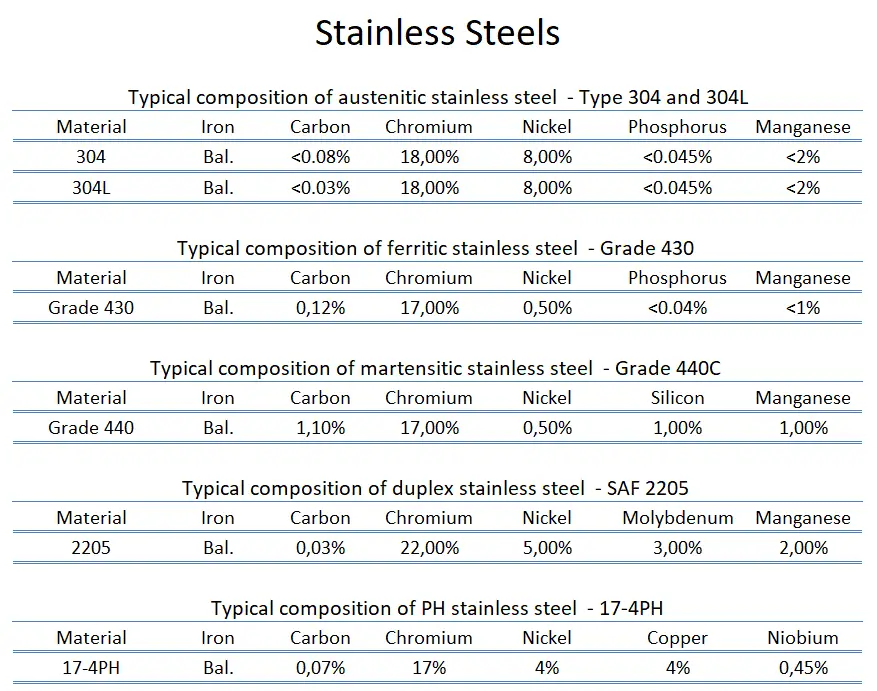
Okay, let’s get a *tiny* bit technical, but I promise to keep it short and sweet. 430 stainless steel is a ferritic stainless steel. What does *that* mean? Basically, it's got a good amount of chromium in it (we're talking 16-18%), which is what gives stainless steel its, well, "stainless-ness"! This chromium creates a protective layer that prevents rust and corrosion.
Think of it like this: the chromium is the stainless steel's personal bodyguard, constantly fending off the bad guys (rust and corrosion). Pretty cool, right?
So, Is It Food Grade? The Answer You've Been Waiting For!
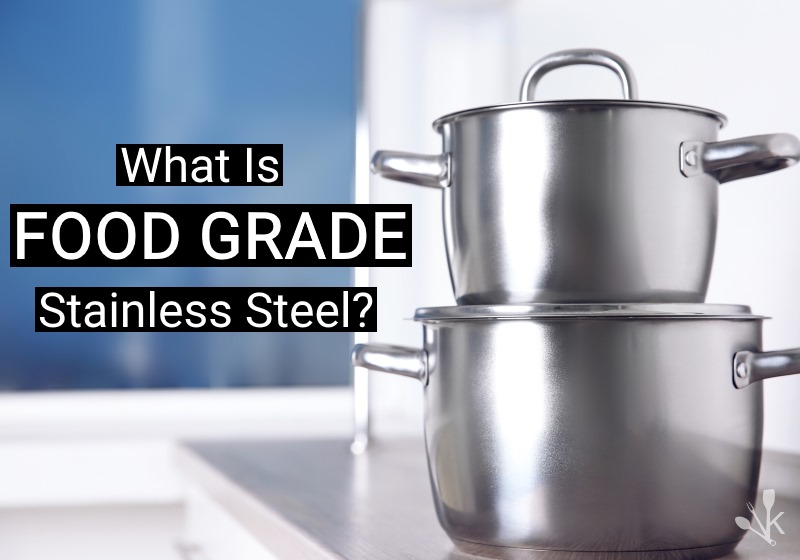
Drumroll, please! The answer is... generally, yes! 430 stainless steel *is* considered food grade by many standards. It's commonly used in appliances, sinks, and, you guessed it, some kitchen utensils. However, and this is a *big* however...
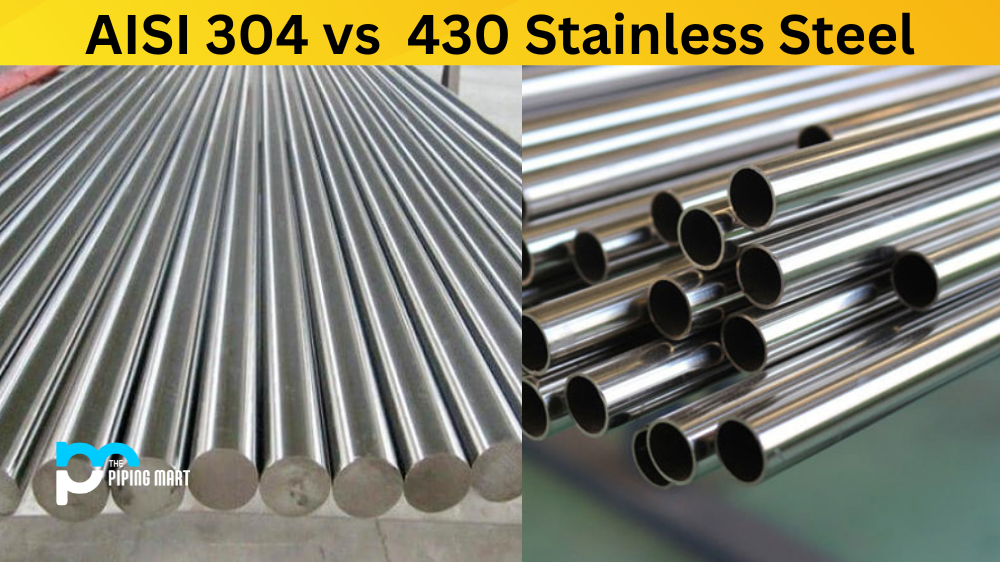
While it's corrosion-resistant, 430 stainless steel isn’t quite as resistant as some of its fancier cousins, like 304 stainless steel (the rockstar of the stainless steel world!). 304 has nickel in it, which makes it extra durable and resistant to corrosion, especially from acidic foods. Think lemon juice, tomatoes, or vinegar. Basically, all the delicious things that can sometimes be a little... aggressive.
When Should You Worry (and When Should You Chill)?
Here’s the deal: if you’re using 430 stainless steel for things that aren’t in constant contact with super acidic or salty foods, you’re probably fine. Think the outer casing of your oven or the inside of your fridge. Perfectly acceptable!
However, if you’re using it for things like mixing bowls, cooking pots, or knives that will be regularly exposed to these harsher elements, you might want to consider opting for something a bit more robust, like our friend 304 stainless steel. Better safe than sorry, right?
Imagine using a 430 steel knife to cut lemons every day for a year. That’s probably pushing it. But using a 430 steel spoon to stir your coffee? No sweat!
The Bottom Line: Common Sense is Your Best Friend
Ultimately, deciding whether or not 430 stainless steel is right for your specific needs boils down to using your common sense. If you’re unsure, always err on the side of caution and choose a higher grade of stainless steel. It's a small price to pay for peace of mind! And besides, who doesn’t love a shiny, new, super-durable kitchen gadget?
And don’t forget to check the product specifications! Most reputable manufacturers will clearly state whether their products are food grade and which type of stainless steel they use. This little nugget of information can save you a lot of guesswork (and potential kitchen catastrophes!).
So, there you have it! 430 stainless steel: generally food grade, perfectly acceptable for many applications, but maybe not the best choice for everything. Now go forth, equip your kitchen with confidence, and create some culinary masterpieces! And remember, a little bit of research can go a long way in keeping your kitchen (and your tummy) happy. Happy cooking!