Ever wondered about the metal that holds your morning coffee or the pots you cook your favorite pasta in? We often take these things for granted, but the materials they're made of can actually make a big difference. Today, let's dive into the world of stainless steel, specifically the famous 316 stainless steel, and see if it's really the food-grade superhero everyone claims it to be.
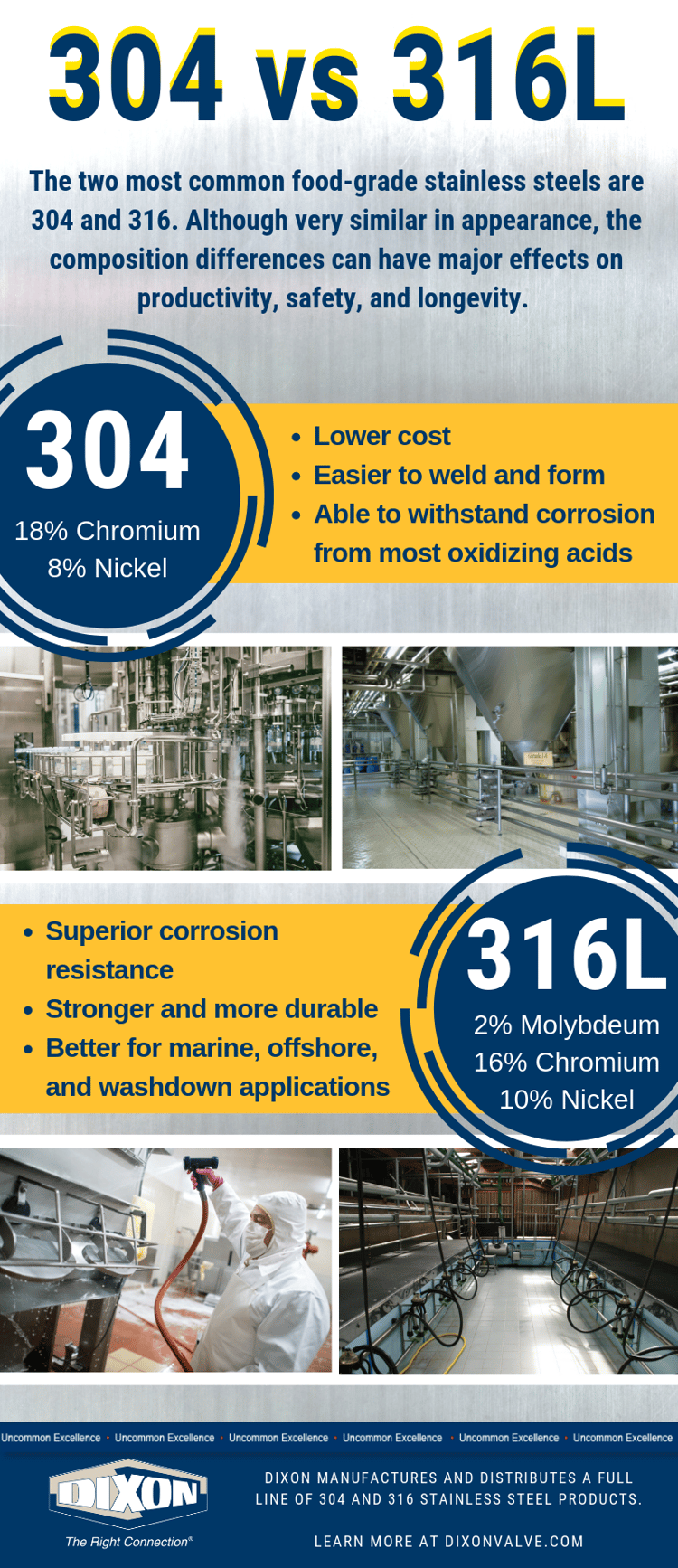
Think of stainless steel as a family. There are different siblings, each with their own special traits. 304 stainless steel is like the reliable older brother, always there, doing a good job in most situations. But 316? Well, 316 is the adventurous cousin who went to sea, learned a few new tricks, and came back even stronger.
So, What Makes 316 Special?
The magic ingredient in 316 stainless steel is molybdenum. Sounds fancy, right? Basically, it's a metallic element that makes the steel extra resistant to corrosion, especially from chlorides. Chlorides are those pesky little things found in salt, and you know how much salt we use in cooking! Imagine a tiny, invisible army constantly attacking your cookware – molybdenum is the shield that protects 316 steel from their assault.
Think about your last trip to the beach. That salty air and seawater? Brutal on metal. But a 316 stainless steel watch or piece of jewelry would fare far better than something made of regular steel. That's because the molybdenum helps it resist the corrosive effects of salt. This is the same principle that makes it fantastic for food-related uses.
Food-Grade: What Does It *Really* Mean?
Okay, let's break down "food-grade." It basically means the material is safe to come into contact with food. It won't leach harmful chemicals into your food, won't react with the food, and is easy to clean and sanitize. No nasty surprises ending up in your dinner! That's what we all want, right?
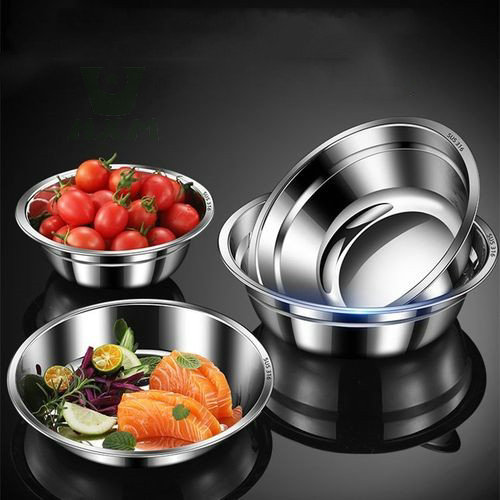
And the good news? 316 stainless steel is generally considered food-grade! Because of its superior corrosion resistance, it's much less likely to leach anything into your food, even with acidic or salty ingredients. Think tomato sauce simmering in a 316 stainless steel pot – no worries about the acid eating away at the metal and tainting your dish. This is why you will often see it in commercial kitchens. This is a good thing when you're making your grandma's famous spaghetti sauce.
Why Should You Care?
You might be thinking, "Okay, that's nice, but why should *I* care about the type of stainless steel my spoon is made of?" Well, let's consider a few reasons:
- Health: Using food-grade materials minimizes the risk of ingesting unwanted and potentially harmful substances. Peace of mind is a great ingredient!
- Taste: Non-food-grade materials can sometimes react with food, altering its taste. No one wants their delicious chili to taste like metal!
- Longevity: 316 stainless steel is more durable, meaning your cookware and utensils will last longer, saving you money in the long run. Think of it as an investment in your kitchen's future.
- Hygiene: Its smooth, non-porous surface makes it easy to clean and sanitize, preventing the growth of bacteria. This keeps your food preparation safer and healthier.
Imagine two water bottles. One is made of questionable plastic, and the other of 316 stainless steel. The plastic one, after a few uses, might start to taste a little funny, especially if you leave it in the sun. The 316 stainless steel one? Still fresh, clean, and ready for another adventure.
Where You'll Find It
316 stainless steel isn't just for fancy restaurants. You'll find it in a bunch of everyday items, including:
- High-quality cookware: Pots, pans, and baking sheets.
- Utensils: Spoons, forks, knives, and spatulas.
- Food processing equipment: In factories that produce our favorite foods.
- Water bottles and food containers: Keeping our drinks and snacks safe and fresh.
- Medical instruments: Due to its corrosion resistance and biocompatibility.
Think about those gleaming, professional-looking pots and pans you see on cooking shows. Chances are, many of them are made of 316 stainless steel!
A Few Things to Keep in Mind
While 316 stainless steel is awesome, it's not completely invincible. Extremely harsh chemicals or prolonged exposure to high concentrations of chlorides *could* eventually cause some damage. But under normal household conditions, it's incredibly durable and reliable.
Also, while 316 is often more expensive than other types of stainless steel, the extra cost is usually worth it for the added benefits – especially when it comes to food safety.
The Bottom Line
So, is 316 stainless steel food-grade? Absolutely! It's a fantastic material that offers superior corrosion resistance, durability, and hygiene, making it a safe and reliable choice for anything that comes into contact with your food. Investing in products made from 316 stainless steel is an investment in your health and well-being. Consider this, next time you're shopping for a new set of pans or a sleek water bottle. Your tummy (and your taste buds) will thank you!