Ever stood on a beach, feeling the cool spray of the ocean, and wondered where all that watery oomph comes from? I mean, those waves just *keep* coming, crashing, and retreating, like the ocean's got a serious case of obsessive-compulsive disorder (in a good way, of course!). So, where are they coming from? And more importantly, how do they carry all that energy?
The Great Wave Migration: Not a Flock of Birds!
Okay, let's get one thing straight: Waves don't actually involve vast amounts of water *traveling* across the ocean. Imagine trying to push a whole bathtub of water across your living room – you'd end up with a soaked rug and a very grumpy cat. The ocean works differently. It's more like a giant, watery stadium doing the wave.
Think of it like this: you're at a football game, and the wave starts. People stand up, raise their arms, then sit down again. Each person only moves *up and down*, but the wave travels all the way around the stadium. The people are the water molecules, and the wave is... well, the wave! It's the energy that's moving, not necessarily the matter itself.
Wind's the Word: The Ocean's Energetic BFF
So, where does that energy come from? Wind! That's right, our breezy buddy is the ocean's personal power source. The wind blows across the surface of the water, transferring some of its energy to the water molecules. This creates ripples, which then grow into bigger waves. The stronger and longer the wind blows, the bigger the waves become. It's like a water-based arm wrestling match, where the wind keeps winning (sorry, water!).
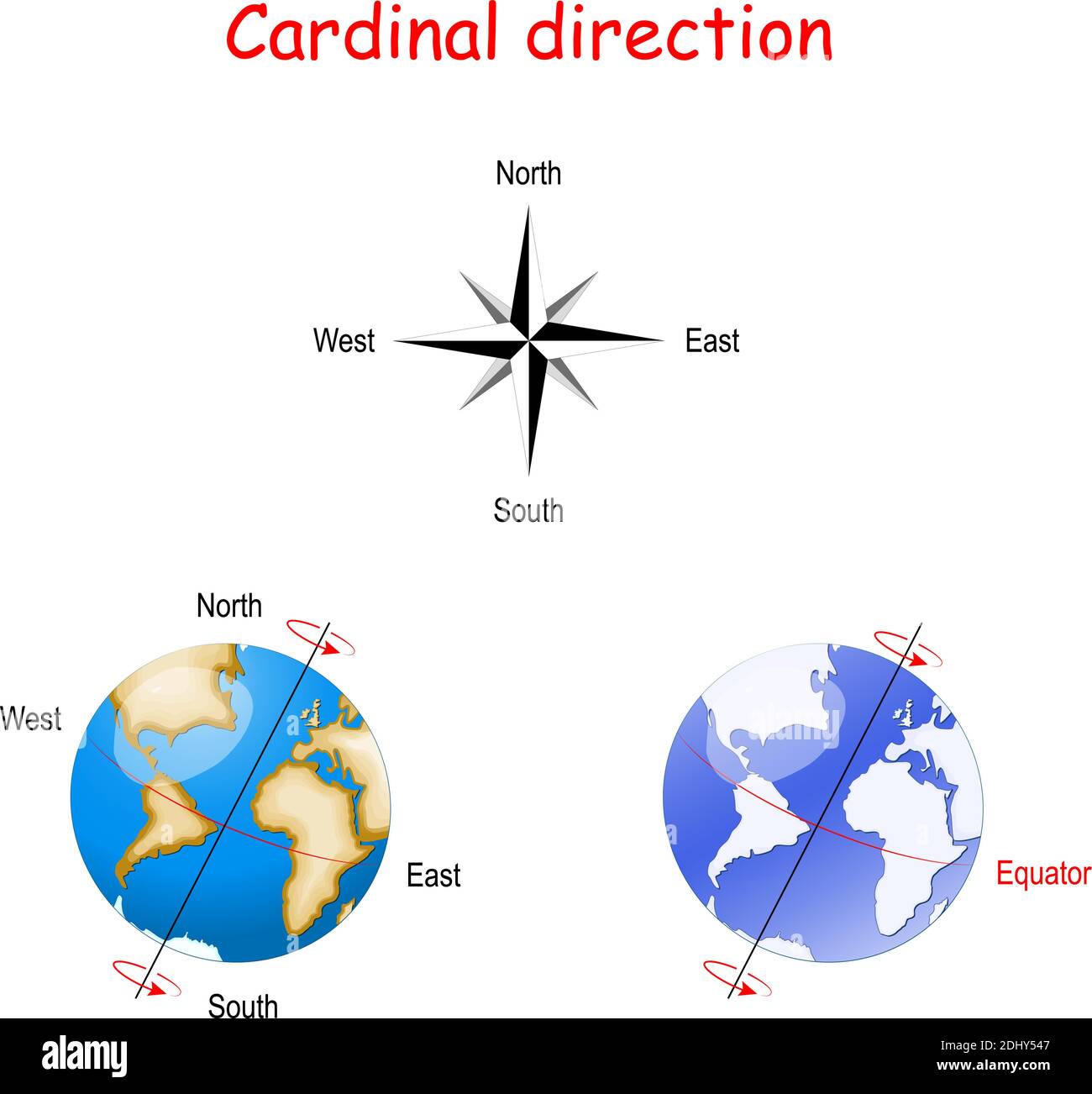
Now, here's where things get interesting. These waves generally travel in the direction the wind is blowing. Makes sense, right? If the wind is howling from the west, you can bet your beach towel that the waves are likely headed east (unless they run into something cool like an island or a really stubborn current).
From Here to Eternity (or at Least to the Shore): Wave Propagation
The journey of a wave across the ocean is a remarkable thing. They can travel thousands of miles, carrying energy from distant storms. Picture a massive hurricane brewing in the middle of the Pacific. All that wind is generating monster waves that radiate outwards, like ripples in a giant pond after you've chucked in a particularly hefty pebble. These waves, now called swells, will eventually reach distant shores, bringing that stored energy – sometimes days or even weeks later! Think of it as the ocean’s version of slow mail, except instead of junk mail, you get crashing waves!
Of course, the direction waves travel can get a little more complicated. Things like the shape of the coastline, the depth of the water, and even the presence of underwater mountains can all affect the wave's trajectory. It's like trying to roll a marble down a bumpy, uneven surface – it's not always going to go in a straight line. But the general rule of thumb is:
"follow the wind, follow the wave."
The Grand Finale: Crashing on the Coast
And what happens when these epic travelers finally reach the shore? Boom! They crash, releasing all that stored energy. That's why you feel that powerful surge of water when a wave breaks on the beach. It's the culmination of a long journey, driven by the wind and guided by the ocean's hidden pathways. And all that energy transforms into that exhilarating and destructive experience we call surf, sometimes big enough for surfing legends.
So, next time you're at the beach, remember that those waves are more than just pretty water formations. They're a testament to the power of the wind, the energy of the ocean, and the relentless journey of a wave across vast distances. And, hopefully, you'll feel just a little bit smarter (and maybe a little bit more impressed) by the ocean's awesome power. Now go build that sandcastle!