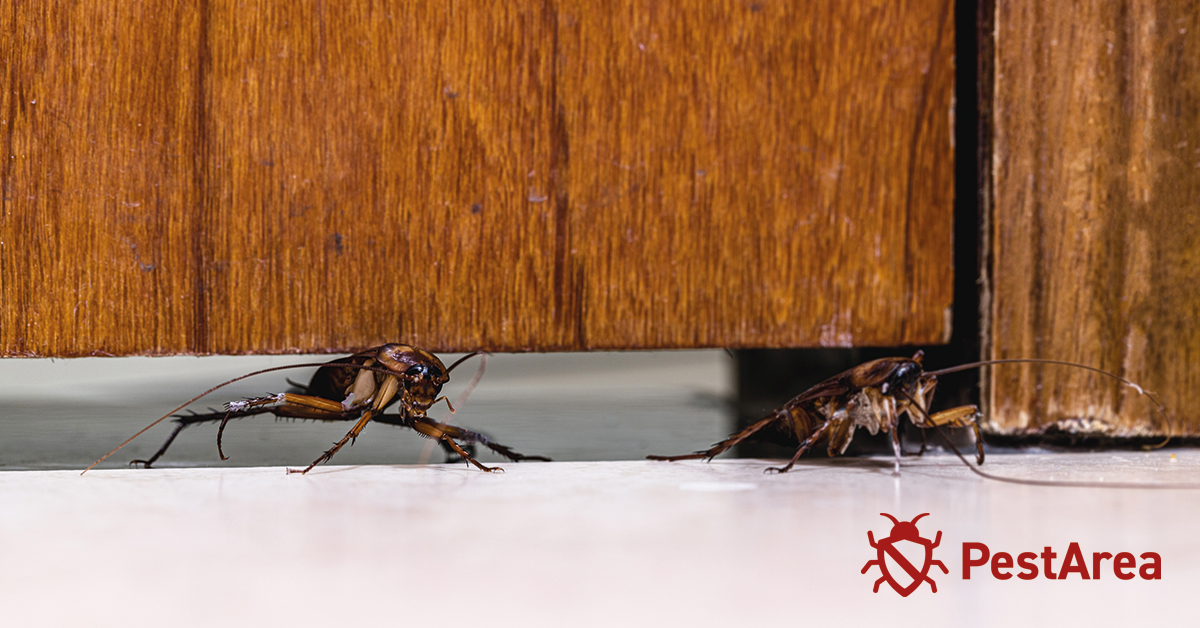
Okay, let's talk roaches. Specifically, the question that probably pops into everyone's head the second they spot one skittering across the kitchen floor: If you see one… are there, like, a million more lurking in the shadows?
It's a valid question! And honestly, the answer is… maybe. But let's dig into why this is such a common concern, and why the secret lives of these little critters are actually kind of fascinating.
The "Iceberg" Analogy: Roach Edition
Think of it like an iceberg. You see the tip poking out of the water, but what's underneath is a whole lot bigger, right? Roach infestations can be similar. That single roach you saw could be a lone wanderer, venturing out for food. Or… it could be the scout for a much larger colony. Dun dun DUN!
Why is this the case? Well, roaches are masters of disguise. They prefer dark, humid environments. Think behind your fridge, under the sink, inside wall cracks... places you probably don't visit often, and neither do they! These are their safe havens.
Imagine your kitchen cabinets are like a bustling city for them. Lots of hidden apartments (cracks and crevices), plenty of restaurants (crumbs and spills), and a generally low profile, which makes it easy for them to thrive undetected.
Roach Behavior: They're Social Butterflies (Sort Of)
Roaches are social creatures, to a degree. They communicate using pheromones, which are basically chemical signals. These signals can attract other roaches to a food source, or even to a good nesting spot. So, if one roach has found a cozy place to hang out, it might be sending out "vacancy" signals to its buddies. Creepy, right?
It's like a secret, roach-only social media platform. "Hey, found an awesome crumb stash behind the toaster! Bring your friends!"
This communication is a big reason why seeing one roach can be a cause for concern. It suggests that there's a potential source of food or shelter that's attracting them, and they're telling each other about it.
Factors That Increase the "One Roach Equals More" Factor
Okay, so when should you really be worried that one roach means a full-blown infestation? Here are a few clues:
- Time of Day: Seeing roaches during the day is a bigger red flag. Roaches are nocturnal, so if you're seeing them in broad daylight, it could mean the colony is so large that they're being forced out in search of resources.
- Type of Roach: Certain types of roaches, like German cockroaches, are notorious for rapid reproduction. If you identify the roach as this type, acting quickly is even more crucial.
- Evidence of Roach Activity: Look for other signs, like droppings (small, dark specks), egg casings (oval-shaped and brown), or a musty odor.
Think of it like diagnosing a patient. One symptom alone might not be a big deal, but if you have multiple symptoms, it's time to see a doctor (or, in this case, call pest control!).
So, What Should You Do? Don't Panic!
Alright, you've seen a roach, and you're now slightly more paranoid. What's the next step? First, don't freak out! It's not the end of the world. But… it's probably a good idea to take some preventative measures.
- Clean, Clean, Clean: Wipe up spills immediately, store food in airtight containers, and regularly clean under appliances. Starve them out!
- Seal Cracks and Crevices: Use caulk to seal any potential entry points. Make it harder for them to get in.
- Consider Roach Baits or Traps: These can help control the population if there's already a small infestation.
It's like fortifying your home against a tiny, crunchy invasion. You're creating a less hospitable environment, making it harder for them to survive and thrive.
The Takeaway: Be Proactive!
Ultimately, seeing one roach could mean there are more, but it doesn't necessarily guarantee a full-scale invasion. The important thing is to be aware of the signs, take preventative measures, and address the issue promptly. By being proactive, you can keep your home roach-free and maintain your peace of mind.
And hey, even if you *do* end up with a few unwanted guests, remember: knowledge is power! Understanding roach behavior can help you tackle the problem effectively. Good luck!