Okay, so your AC isn’t exactly… chill? And you suspect the compressor might be the culprit? Don't sweat it (ironic, right?). Let's break down what's going on and see if we can get that icy blast back into your life. Think of me as your AC whisperer – except instead of horses, I'm trying to understand a big metal box that's refusing to do its job.
First, let's be sure we're not jumping to conclusions. Sometimes the symptoms of a bad compressor can look like other AC ailments. Is the fan running? Is the filter clean? Because, honestly, sometimes the solution is as simple as replacing a dusty filter. It's like your AC is saying, "Dude, I can't breathe! Get this gunk outta here!"
But, assuming you’ve checked the basics and you're still melting like a popsicle on a summer sidewalk, let's talk compressor issues.
What Exactly Does the Compressor Do?
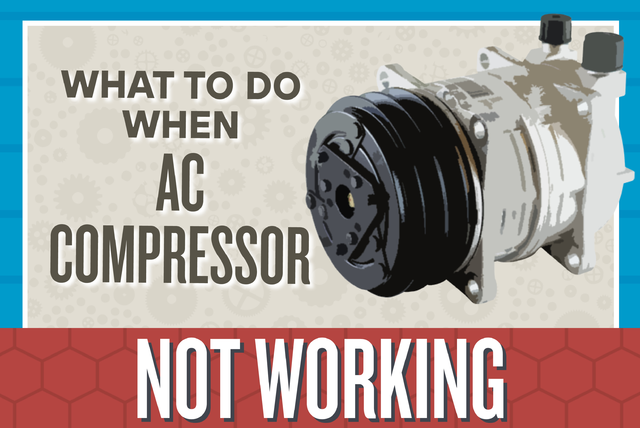
Think of the compressor as the heart of your AC system. It's the muscle that pumps the refrigerant (the stuff that actually cools the air) through the system. It takes the refrigerant, compresses it (hence the name, duh!), which heats it up, then sends it on its way to the condenser (the outdoor unit) to release that heat. Then, back inside, the refrigerant cools the air blowing through your vents. It's a whole cyclical process, and the compressor is the MVP. If it's not working, well, your AC is basically just a fancy fan. A *very* expensive fancy fan.
Signs Your Compressor Might Be Kaput
Alright, detective, let's look for some clues! Here are some tell-tale signs your compressor might be giving up the ghost:
- No Cold Air: This is the most obvious one. If your AC is running but blowing warm air, it’s a big red flag.
- Strange Noises: Compressors aren’t exactly known for being quiet, but unusual noises are a bad sign. We’re talking grinding, buzzing, clicking, or even a high-pitched squeal. It's like your AC is screaming for help (or maybe just a good oiling).
- The AC Unit is Hummming, But Nothing Happens: Could be a seized compressor. Not good.
- The Compressor Won't Start: You can usually tell if it's trying to start but failing repeatedly.
- Circuit Breaker Trips: If your AC keeps tripping the circuit breaker, it could be a sign the compressor is drawing too much power, which is a common symptom of a failing compressor. It’s like your AC is having an electrical meltdown!
Possible Causes: Why Did My Compressor Fail?
Compressors are generally pretty tough, but even tough guys can get knocked down. Here are a few common reasons why compressors bite the dust:
- Age: Everything eventually wears out, and compressors are no exception. Think of it like this: your AC is just getting old and tired, and needs a break (a permanent one, unfortunately).
- Refrigerant Leaks: If your refrigerant levels are low, the compressor has to work harder to do its job, which can lead to overheating and failure. Plus, refrigerant leaks are bad for the environment, so fix them ASAP!
- Electrical Problems: Power surges, faulty wiring, or a bad capacitor can all damage the compressor. It's like giving your AC a tiny, but deadly, electrical shock.
- Overheating: If the compressor overheats, it can cause serious damage. This can be caused by poor maintenance, a dirty condenser coil, or a refrigerant issue.
- Contamination: Dirt, debris, and moisture can get into the refrigerant lines and damage the compressor. Keep it clean!
What To Do If You Suspect Compressor Failure
Okay, so you've diagnosed the problem (or at least suspect you have). What now?
Don't try to fix it yourself! AC systems contain high-voltage electricity and potentially harmful refrigerants. Unless you're a qualified HVAC technician, leave it to the professionals. Seriously. It's not worth getting electrocuted or accidentally releasing refrigerant into the atmosphere. Your bank account might be screaming, but your health is worth it.
Call a reputable HVAC company and schedule a service appointment. They can properly diagnose the problem and recommend the best course of action. They might be able to repair the compressor, but in most cases, replacement is necessary. A new compressor is a significant investment, so be prepared for that. However, sometimes, depending on the age and condition of your entire AC unit, it might be more cost-effective to replace the entire system.
The Silver Lining (Yes, There Is One!)
Okay, I know, a broken AC compressor is definitely not a cause for celebration. But here's the thing: replacing your compressor (or your entire AC system) gives you the opportunity to upgrade to a more energy-efficient model. This means lower energy bills in the long run! Plus, a new AC will cool your home more effectively and quietly. So, while the initial cost might sting, think of it as an investment in your comfort and your wallet. And hey, you deserve to be comfortable! You survived another summer heatwave (almost)! Give yourself a pat on the back (preferably in a nicely air-conditioned room, eventually!).
So, take a deep breath, call a professional, and remember: even though your AC is currently acting like a drama queen, things will get better. You'll be back to enjoying cool, refreshing air in no time. Stay cool (mentally, if not physically!), my friend!