Okay, so picture this: I'm on a beach in Bali, sipping a coconut (because, duh), and I hear someone mention a "bagyo." I swear, I thought they were talking about some new kind of trendy beach bag. Turns out, I was hilariously wrong. They were talking about a storm! A big, scary, spinny storm. And that got me thinking… what *do* they call those swirling monsters in this part of the world?
We all know about hurricanes in the Atlantic, right? And typhoons in the… well, somewhere else. But it's all too easy to just assume they're the same thing. (Spoiler alert: they kind of are, but the name matters!) So, let's dive in, shall we?
The Answer, My Friend, is Typhoon
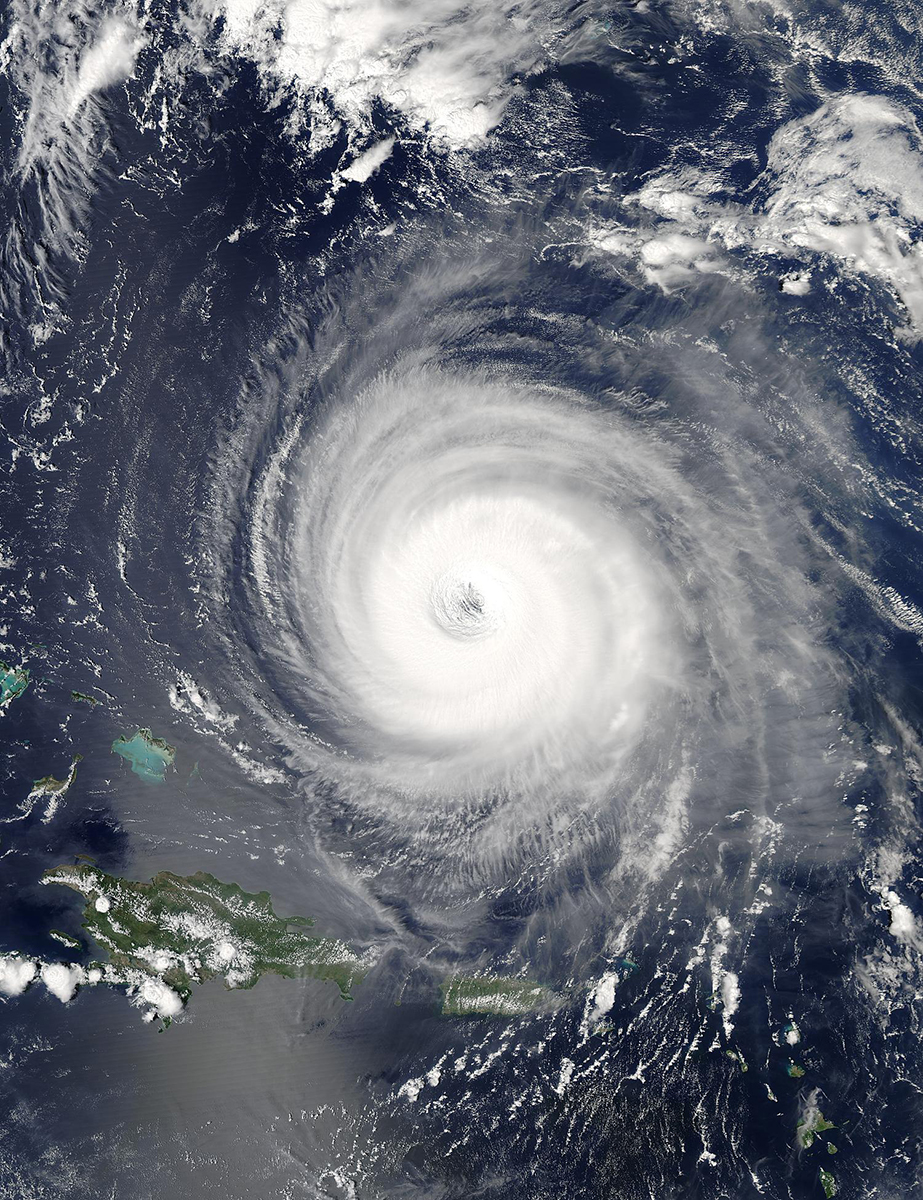
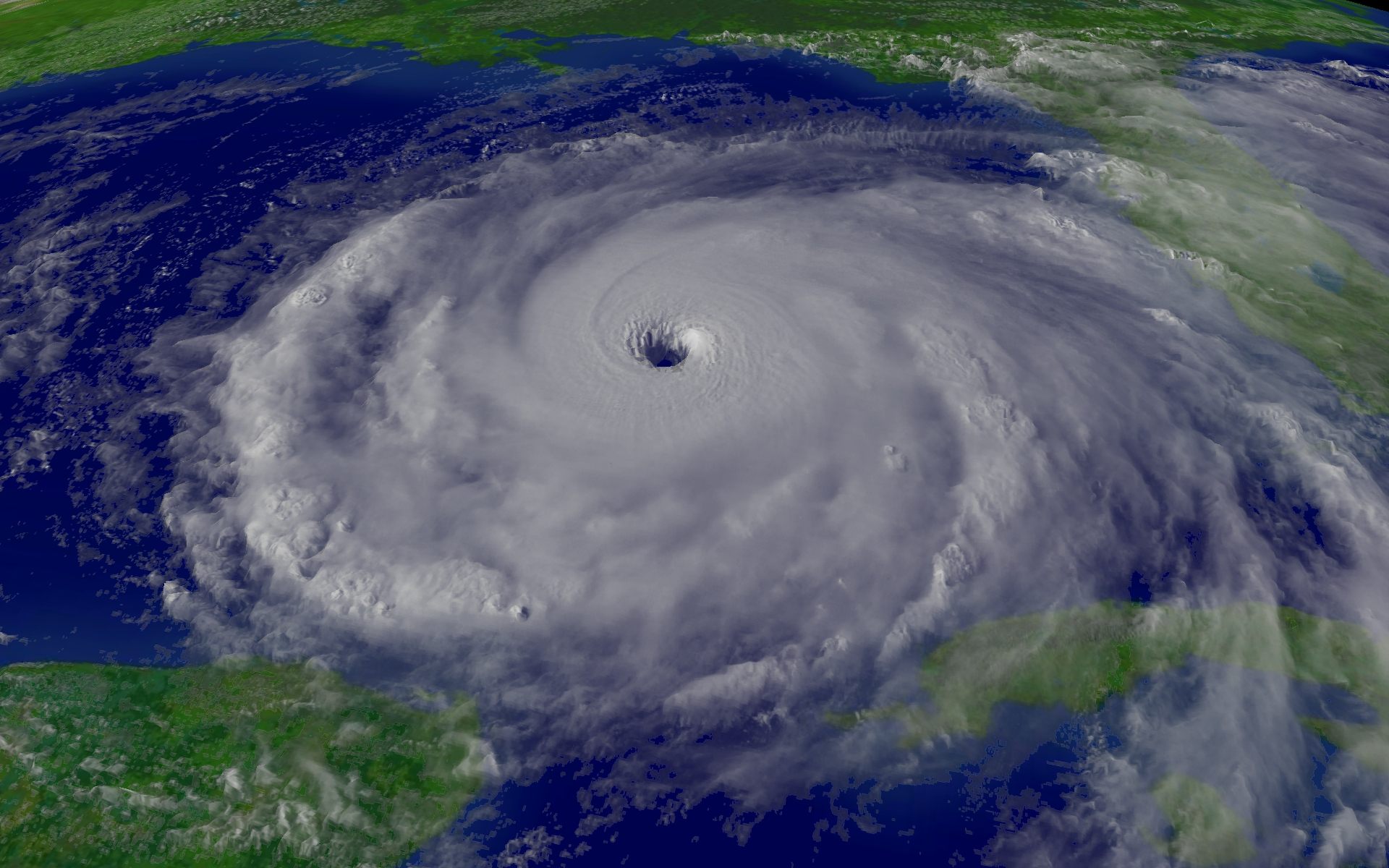
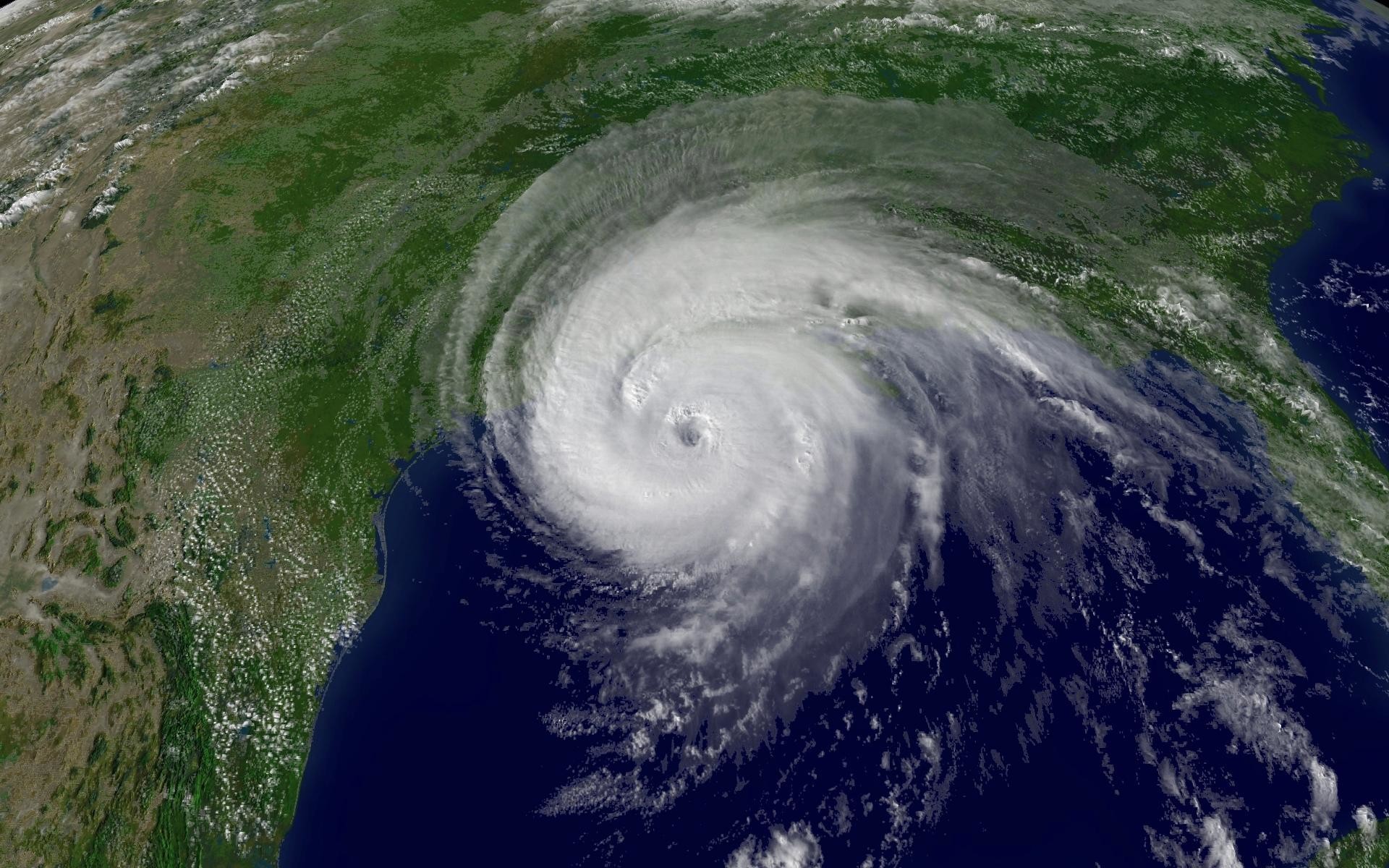
Alright, drumroll please… In the Northwest Pacific Ocean, including the South China Sea, hurricanes are called typhoons. Yes, typhoons! That's your big takeaway. You can impress your friends at your next beachside barbeque with that little nugget of knowledge. (Or, you know, just keep it to yourself. No pressure.)
Now, you might be wondering, "Why the different name? Is it some kind of elaborate weather conspiracy?" Nah, not really. It’s mostly just regional. It's like how some people call it soda, some call it pop, and some call it… something else entirely (looking at you, New England!). Same fizzy, sugary goodness, different name.
But Wait, There's More! (Of Course There Is)
Okay, here's where things get a tiny bit more technical, but I promise I'll keep it breezy. Basically, these storms are all tropical cyclones. Tropical cyclones are a general term for rotating, organized systems of clouds and thunderstorms that originate over tropical or subtropical waters and have closed low-level circulation. (Don't worry, you don't need to memorize that.)
The name they get depends on where they form:
- Hurricanes: These are in the North Atlantic and Northeast Pacific.
- Typhoons: Our stars of the show, in the Northwest Pacific.
- Cyclones: In the South Pacific and Indian Ocean.
So, it’s all about location, location, location!
Wind Speed Matters, Too
Now, just slapping the “typhoon” label on any old breeze wouldn't do, would it? There's a specific wind speed threshold that needs to be crossed. For a tropical cyclone in the Northwest Pacific to be officially called a typhoon, it needs to have sustained winds of at least 74 miles per hour (119 kilometers per hour). That's some serious wind! Imagine your umbrella inside out, repeatedly. Scary, right?
If the winds are lower than that, they might be called a tropical storm or a tropical depression. Basically, the more spin and the higher the winds, the bigger the name.
Why Should You Care?
Beyond impressing your friends, understanding the terminology helps you stay informed during extreme weather events. Knowing that a “typhoon” is bearing down on, say, the Philippines, gives you a better grasp of the potential severity than just hearing about "some rain."
Plus, awareness is key! These storms can cause major devastation. Being informed allows you to follow news updates, understand warnings, and, most importantly, prepare yourself and your loved ones if you live in an affected area. (And if you're visiting, maybe reschedule that beach trip.)
So, there you have it! Next time you hear about a crazy storm brewing in the Northwest Pacific, you'll know exactly what to call it: a typhoon. You're officially a weather whiz! Now, go forth and spread your newfound knowledge (responsibly, of course). And maybe pack an extra umbrella. Just in case.
P.S. Don't forget to check out your local weather resources for the most up-to-date information. Stay safe out there!