Ever wondered where all that electricity really goes? Figuring out power consumption might sound like something only engineers do, but trust me, it's surprisingly fun and super useful! It's like becoming a detective, uncovering the energy secrets of your home and gadgets. Think of it as unlocking a superpower – the ability to understand and control your energy usage, saving you money and helping the planet, all while impressing your friends with your newfound knowledge!
So, why bother learning how to calculate power consumption? The biggest benefit is undoubtedly saving money. By knowing how much electricity your appliances are guzzling, you can identify energy vampires and make informed decisions about when and how to use them. For example, maybe that old fridge in the garage is costing you a fortune! Understanding power consumption also helps you choose more energy-efficient appliances when you're replacing old ones. Think of it as future-proofing your wallet!
But it’s not just about money. Being aware of your power consumption contributes to a more sustainable lifestyle. Reducing your energy use shrinks your carbon footprint, helping to protect the environment. Plus, if you're into off-grid living, renewable energy sources (like solar panels), or simply want to understand the technical specs of your electronics, knowing how to calculate power consumption is absolutely essential.
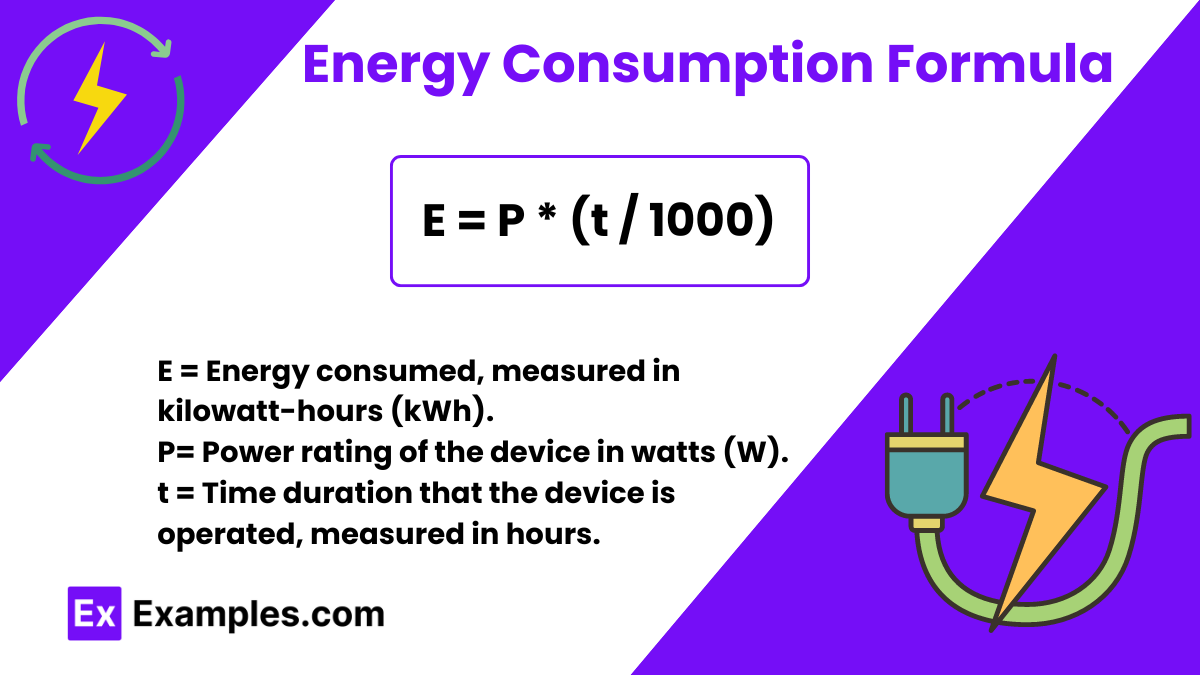
Okay, let’s get down to the nitty-gritty! The formula for calculating power consumption is surprisingly simple: Power (Watts) = Voltage (Volts) x Current (Amps). Sounds intimidating? Don't worry, it's easier than it looks! Most appliances have a label somewhere on them (usually on the back or bottom) that lists the voltage and amperage.
Voltage is typically a standard number in your country (like 120V in the US or 230V in Europe). Amperage, also known as current, is the amount of electricity flowing through the device. Once you have these two numbers, just multiply them together to get the power consumption in Watts.
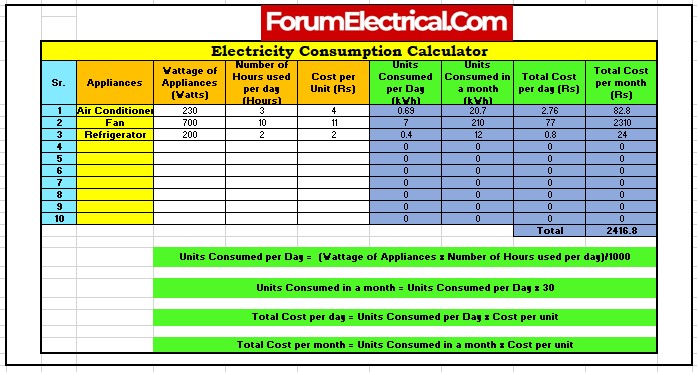
For example, let's say your hairdryer has a label that says 120V and 10A. That means the power consumption is 120V x 10A = 1200 Watts. To find out how much energy that hairdryer uses in an hour, simply divide the Watts by 1000 to get Kilowatts (kW), and then multiply by the number of hours you use it. In this case, 1200 Watts / 1000 = 1.2 kW. If you use it for 30 minutes (0.5 hours), that's 1.2 kW x 0.5 hours = 0.6 kWh (kilowatt-hours). Your electricity bill charges you by the kilowatt-hour, so you can then figure out how much that 30 minutes of hairdryer time is costing you!
Of course, some devices, like your computer or TV, don't always draw the same amount of power. You can use a power meter or a "kill-a-watt" meter to get a more accurate reading of the actual power being used at any given moment. These handy gadgets plug into an outlet, and you plug your appliance into the meter. They'll then display the real-time power consumption.
So, there you have it! Calculating power consumption might seem daunting at first, but with a little practice, you'll be a pro in no time. Start small, experiment with different appliances, and enjoy the satisfaction of understanding where your energy is going and how you can take control. Happy energy sleuthing!