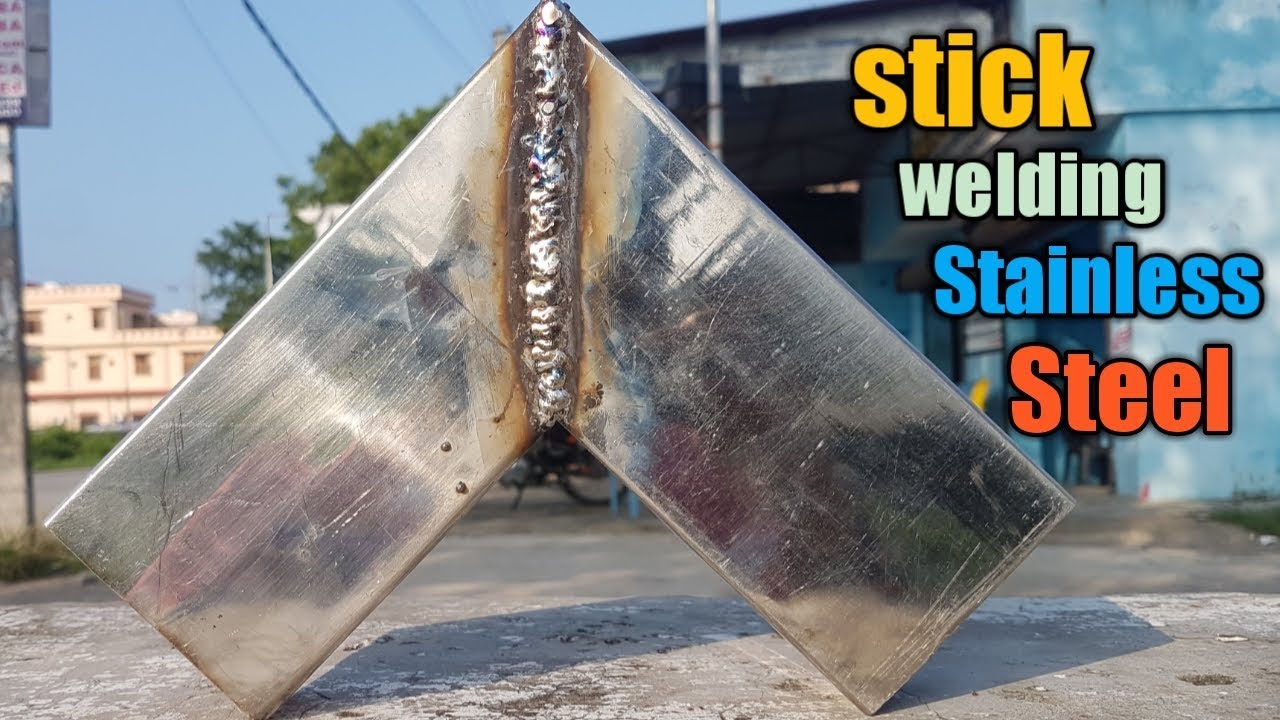
Alright, friend, so you wanna tackle stainless steel with a stick welder, huh? Brave soul! It's not exactly the easiest path, but hey, nothing worthwhile ever is, right? Plus, think of the bragging rights! We're about to dive into the wonderful world of SMAW (Shielded Metal Arc Welding, for those keeping score at home) and stainless steel.
First things first, let's talk prep work. This is where you lay the foundation for success, or, you know, a spectacular, slag-filled mess. Cleanliness is next to godliness, especially when it comes to stainless steel. We're talking scrupulous cleaning. Get rid of any rust, scale, grease, oil – anything that shouldn't be there. A good wire brush and some acetone or degreaser will be your best friends here.
Think of it like inviting royalty over to your house; you wouldn't want them tripping over dirty laundry, would you? Stainless steel deserves the same respect! Seriously though, contaminants can lead to porosity and weak welds. Nobody wants that!
Choosing the Right Rod
Now, for the magic wand: the electrode! You'll need a special electrode designed for stainless steel. Generally, E308L-16 or E309L-16 are good all-purpose choices. The "L" means low carbon, which helps prevent carbide precipitation (a fancy term for bad stuff happening in the weld). The "-16" indicates the coating type. Make sure you double-check the manufacturer's recommendations for the specific stainless steel you're working with. Using the wrong rod is like trying to cut a steak with a spoon – technically possible, but not ideal!
Setting Your Machine
Amperage settings are crucial. Too low, and your electrode will just stick (hence the name "stick welding," I guess?). Too high, and you'll burn through the material faster than you can say "oops." Start with the manufacturer's recommended amperage range for your electrode size and then fine-tune from there. It's a bit of an art form, requiring a feel for the machine and the material.
Think of it like adjusting the volume on your stereo – you want it just right, not blasting your eardrums or so quiet you can't hear it. A good starting point is usually around 1 amp per 0.001 inch of material thickness.
Welding Technique Time!
Okay, deep breaths. Let's talk technique. Keep a short arc length – the distance between the electrode and the metal. A longer arc can lead to porosity and a weaker weld. Aim for an arc length roughly equal to the diameter of the electrode. Don’t be shy! Get in there and make it happen.
Movement-wise, a slight weave or a straight stringer bead can work. The weave can help distribute the heat and create a wider weld bead. Experiment and see what works best for you. Remember, practice makes perfect (or at least significantly less disastrous!).
Interpass temperature is something to watch out for. Stainless steel doesn’t like getting too hot. Let the weld cool down between passes to prevent distortion and other heat-related issues. Think of it like giving the metal a little break to catch its breath.
Tack welding is your friend! Tack the pieces together before doing a full weld to prevent movement and distortion. Tack welds are like little stitches that hold everything in place.
Clean Up Your Act!
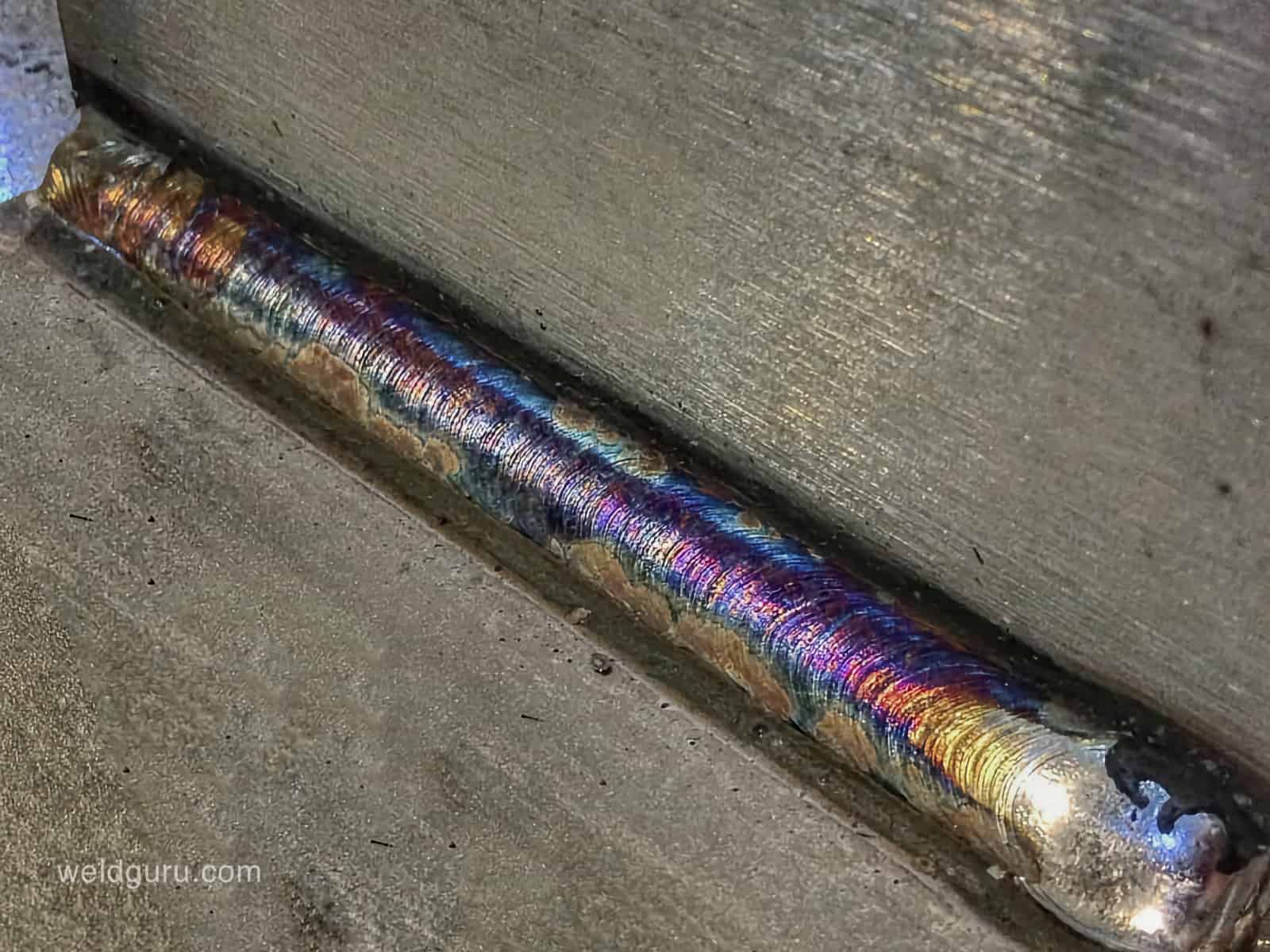
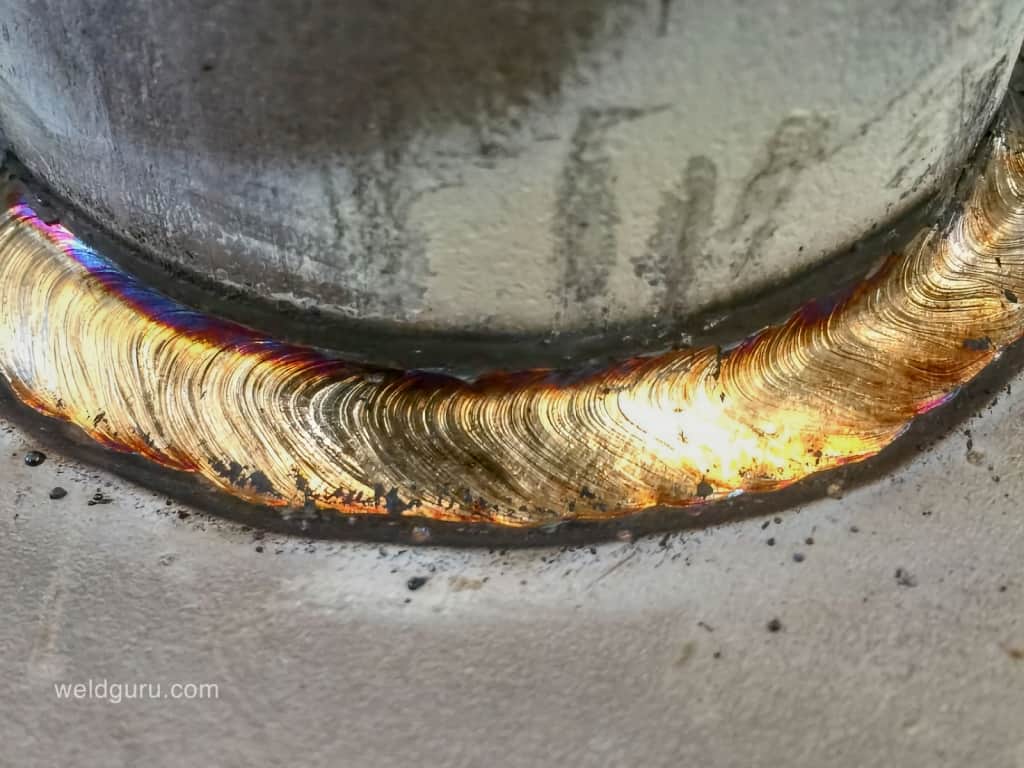
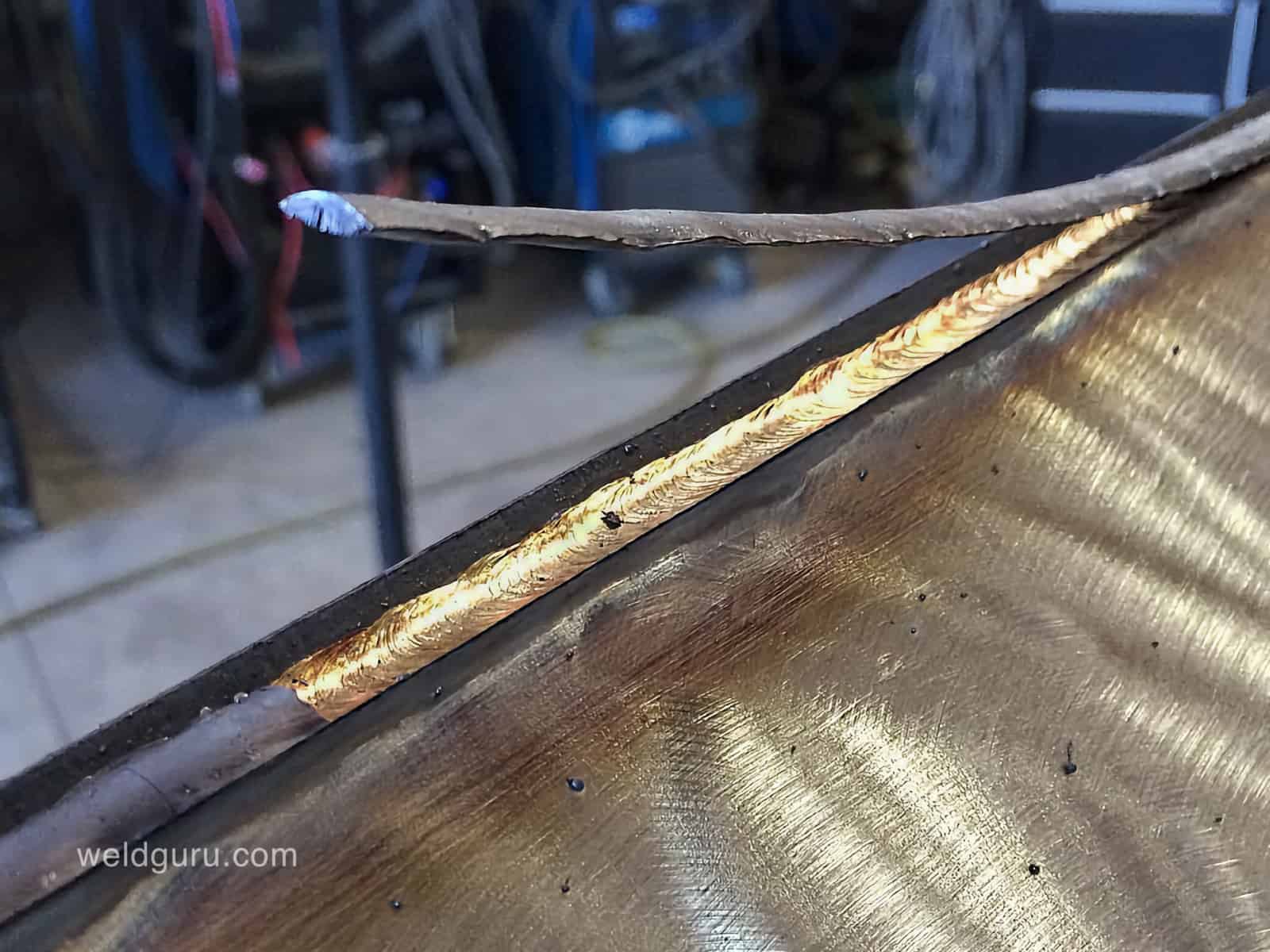
After welding, remove the slag (that crusty stuff that forms on top of the weld) with a chipping hammer and wire brush. Inspect the weld for any defects. If you find any, you can grind them out and re-weld the area. It's all part of the process! Don’t be afraid to learn from your mistakes.
A Few Extra Pro-Tips (Because Why Not?)
- Use a gas purge on the back side of the weld to prevent oxidation (if you're welding something that requires it, like pipes).
- Consider using a pulsed welding technique for better control and less heat input.
- Practice, practice, practice! Scrap metal is your best friend.
And there you have it! Welding stainless steel with a stick welder isn't the easiest thing in the world, but with a little knowledge, practice, and a healthy dose of perseverance, you can do it. Remember, even the best welders started somewhere. So, don't be discouraged if your first welds aren't perfect. Keep practicing, keep learning, and keep creating! You've got this!