Hey there, sparky! Ever stared at a wire and thought, "What ARE you?" You're not alone. Figuring out wire gauge can seem like deciphering ancient hieroglyphics. But trust me, it's easier than parallel parking! So grab your safety glasses (safety first, kids!) and let's unravel this mystery.
Why Bother Knowing Your Wire Gauge?
Okay, so why even care? Simple: Using the wrong wire can be dangerous. Seriously. Too thin, and it could overheat, leading to a fire. Nobody wants a surprise bonfire in their walls. Think of it like this: skinny straws aren't great for milkshakes, right? Same principle!
Plus, knowing your wire gauge helps you choose the right components for your projects. Speakers? Lamps? Robots that do your bidding? (Okay, maybe not yet on the robot thing...). Knowing the wire gauge ensures everything works smoothly and safely.
Method 1: The Markings on the Wire
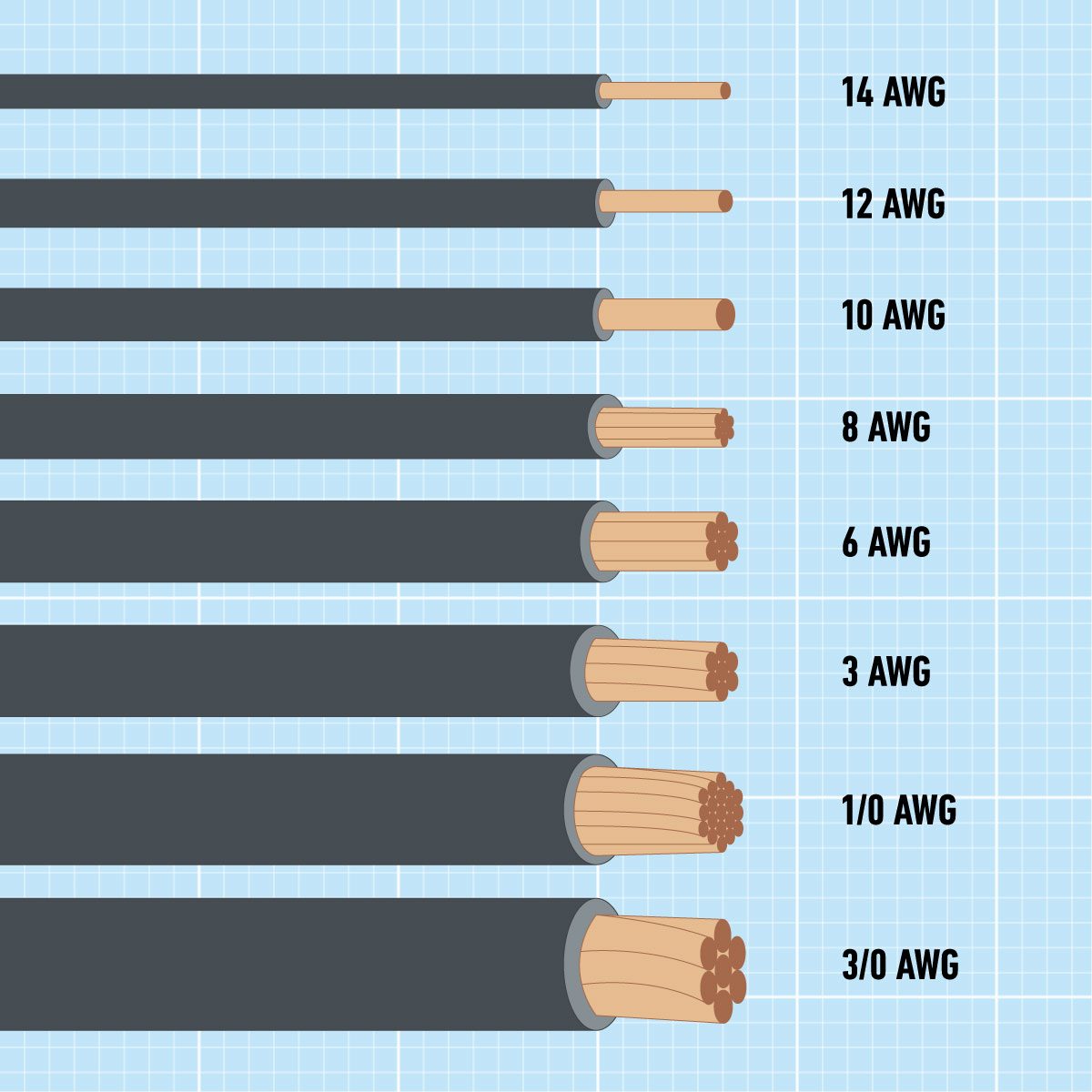
Lucky you! Sometimes, the wire itself will tell you its secrets. Check the outer jacket (the insulation). You might find printed information like "14 AWG" or "12 AWG." AWG stands for American Wire Gauge. Kinda sounds like a superhero league, doesn’t it?
If you see numbers, that's your gauge! High five! But what if there are no markings? Don't fret, we've got more tricks up our sleeves.
Method 2: The Wire Gauge Tool (The AWG Superhero)
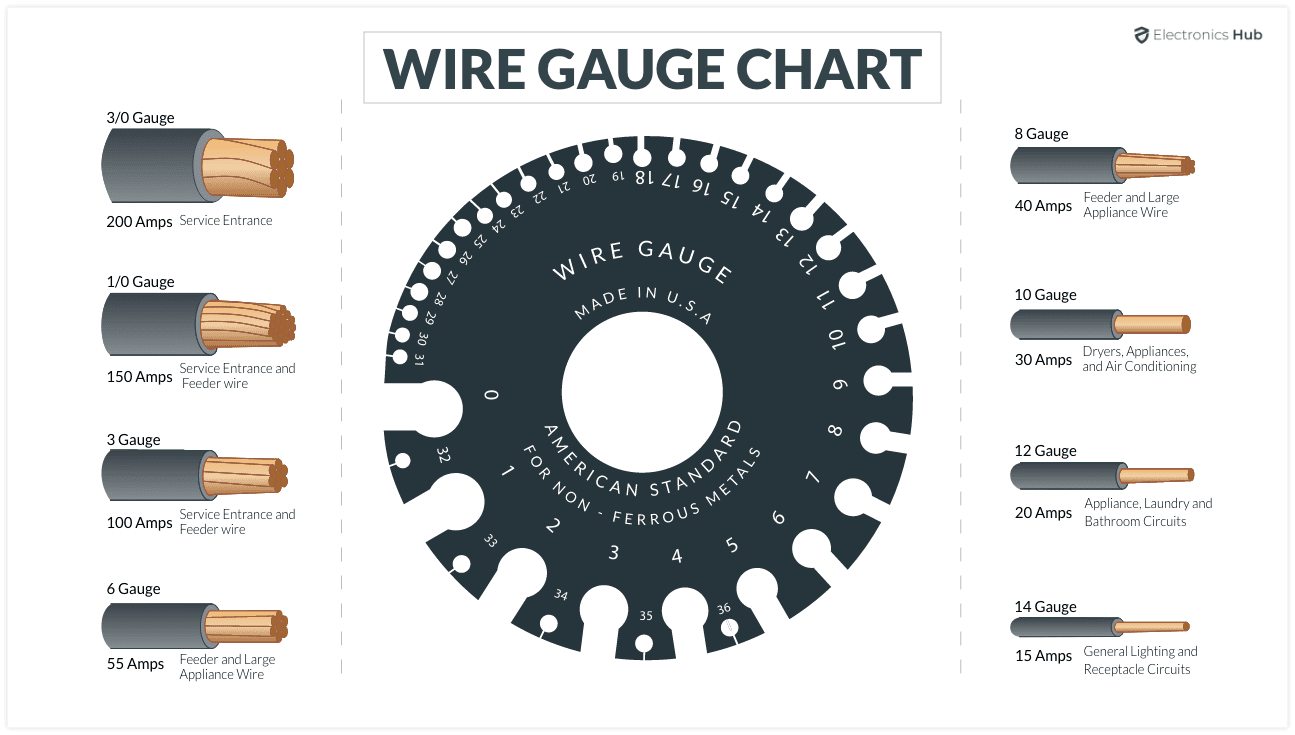
This little gadget is a lifesaver. A wire gauge tool, also known as a wire gauge sizer, is a metal or plastic plate with different-sized notches or holes. Each hole is labeled with a gauge number.
Here's how to use it:
- Strip a bit of insulation from the wire. (Carefully, please! We don't want any accidental electrocution dramas.)
- Try fitting the bare wire into the different slots. The slot that the wire fits snugly into, without forcing it or having too much wiggle room, indicates the wire gauge.
- Read the number next to the slot. Voila! You've cracked the code.
These tools are cheap and readily available at hardware stores or online. Think of it as your trusty sidekick in the world of electrical mysteries.
Method 3: The Micrometer (For the Extra Curious)
Feeling a bit more… scientific? A micrometer can precisely measure the diameter of the wire. Then, you can use a conversion chart (easily found online) to translate the diameter into a gauge number.
This is like using a magnifying glass to read a secret map. It's accurate, but maybe a bit overkill for everyday needs. Unless you *really* love precision.
The Weird World of Wire Gauge Numbers
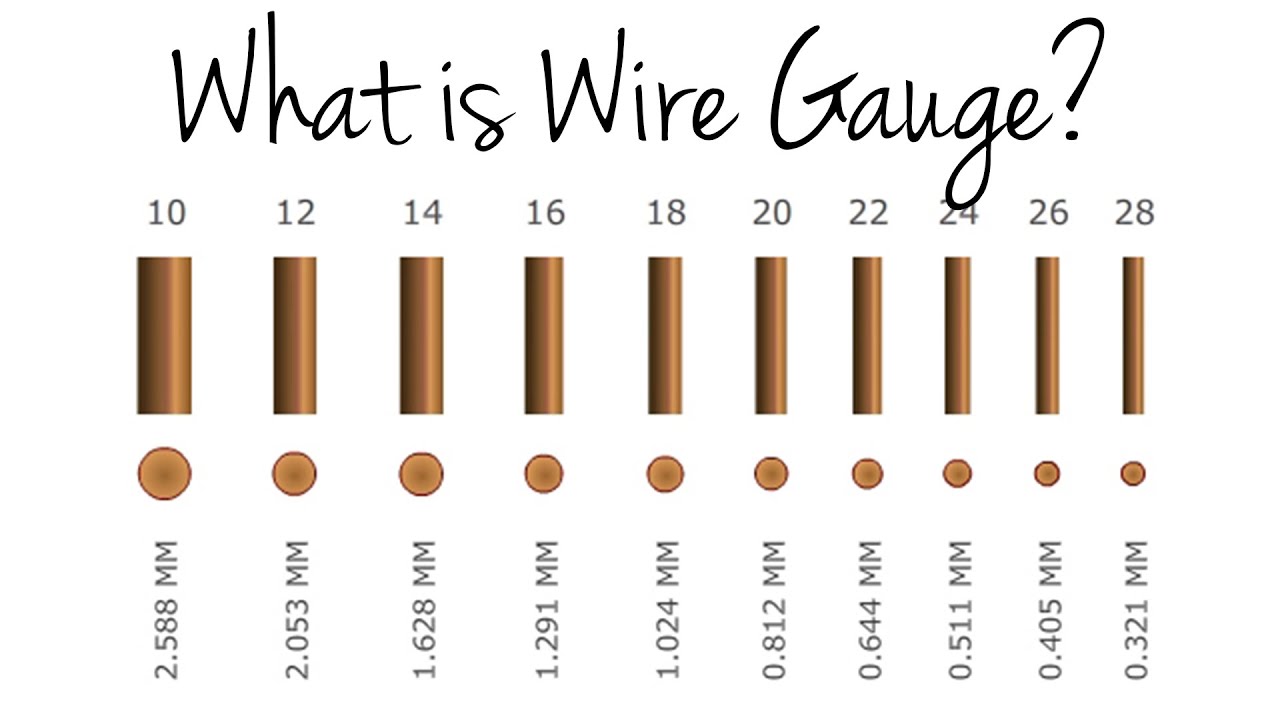
Okay, here's where it gets a little quirky. The *smaller* the gauge number, the *thicker* the wire. I know, it’s backwards. Blame history! It has to do with the number of drawing operations used to create the wire. More draws, smaller diameter, higher number.
So, a 10 AWG wire is thicker than a 14 AWG wire. Think of it like golf scores: lower is better! Just try not to yell "Fore!" while working with electricity.
Quick Guide: Common Wire Gauges and Their Uses
Here's a cheat sheet for common wire gauges:
- 12 AWG: For high-power circuits like kitchen appliances (microwaves, blenders).
- 14 AWG: Standard for lighting circuits and general-purpose outlets.
- 16 AWG & 18 AWG: Lamps, small appliances, and speaker wire.
- 22 AWG - 28 AWG: Electronics projects, breadboarding, and low-power applications.
Remember, always consult electrical codes and regulations for your specific project and location. This guide is just for general knowledge, not a replacement for professional advice.
A Word of Caution (Seriously, Pay Attention)
Working with electricity can be dangerous. Always turn off the power at the breaker before working on any electrical project. If you're not comfortable working with electricity, hire a qualified electrician. It's better to be safe than sorry (and maybe a little crispy).
Have Fun Exploring!
So, there you have it! Now you're equipped to decipher the secrets of wire gauge. Go forth and conquer your electrical projects, armed with knowledge and a healthy dose of caution. Remember, safety first, then sparking creativity! Happy wiring!