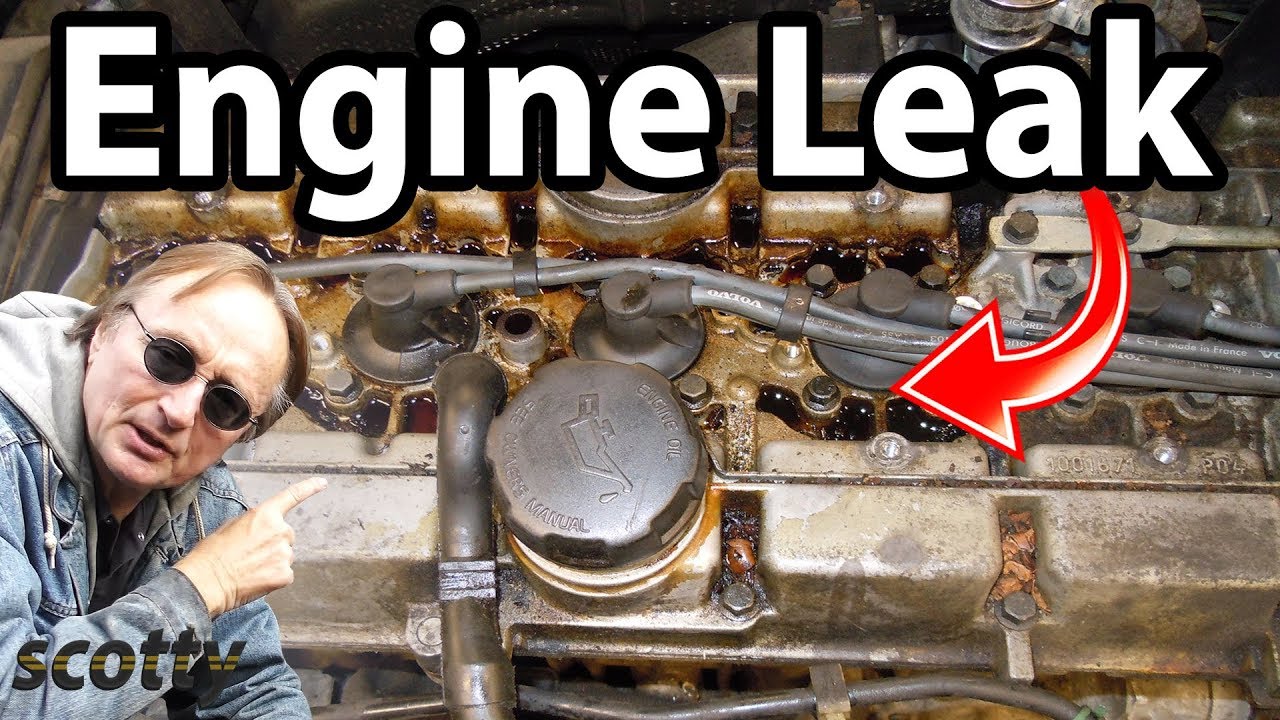
Let's face it, nobody *wants* to talk about oil leaks. But, a little drip here, a small puddle there...suddenly you're spending more on oil than your morning coffee! Learning how to spot and *potentially* stop a minor oil leak yourself is not only incredibly useful, but it can also save you a heap of money and prevent bigger headaches down the road. Think of it as a mini-detective game where you're the hero saving your car (and your wallet!).
Why bother learning this stuff? For beginners, understanding the basics of oil leaks empowers you to communicate more effectively with your mechanic. No more feeling like you're nodding along to jargon you don't understand! For families, a little DIY knowledge can prevent unexpected breakdowns on road trips – that’s peace of mind you can’t put a price on. And for hobbyists, tackling small repairs like this is just another fun way to get your hands dirty and learn more about how your car ticks. Plus, you get bragging rights!
So, what exactly causes these pesky leaks? There are a few common culprits. Often, it’s just a worn-out gasket or seal. Gaskets are rubber or cork pieces that prevent oil from escaping between engine parts. Over time, they can dry out and crack. Another common issue is a loose oil drain plug. This happens, particularly if you change your own oil, and it isn’t tightened correctly. The oil filter itself can also be the source of a leak if it's not installed properly or if the seal is damaged.
Before you grab your toolbox, remember safety first! Always work on a cool engine and use jack stands to support the car if you need to get underneath. Now, here are some practical tips to get started:
- Identify the leak: Pop the hood and take a good look around. Use a flashlight to inspect the engine, especially around the valve cover, oil pan, and oil filter. Look for wet spots or drips. Laying down cardboard underneath the car overnight can also help pinpoint the source.
- Tighten the Oil Drain Plug: If you suspect the drain plug, give it a gentle but firm tightening. But don't overtighten, or you could damage the threads!
- Check the Oil Filter: Make sure the oil filter is properly tightened. If it's loose, tighten it by hand. If it's old and you suspect it's the source of the leak, replacing it with a new one is a relatively inexpensive and easy fix.
- Consider Oil Stop-Leak Additives: There are oil additives designed to swell and recondition old gaskets and seals. While they’re not a permanent fix, they can sometimes buy you some time, particularly for minor leaks. Read the instructions carefully and use as directed.
Important Note: If the leak is significant, or you're not comfortable working on your car, don’t hesitate to take it to a professional mechanic. Sometimes, a more serious repair is needed, and it's best to leave it to the experts.
Learning to identify and potentially fix a minor oil leak is a satisfying skill. It’s empowering to understand your car a little better and know you’ve saved yourself some money in the process. Plus, the peace of mind knowing you've addressed a potential problem is priceless. So, grab your flashlight, get a little grease under your fingernails, and enjoy the challenge!