So, you're thinking about getting a generator? Smart move! Power outages are the worst. Especially when you're in the middle of binge-watching your favorite show.
The Great Generator Guessing Game
Sizing a generator can feel like a total crapshoot. Everyone throws around numbers like they're lottery tickets. Let's try to simplify this, shall we?
Step 1: The Wish List (or Reality Check?)
First, figure out what you absolutely need. Forget about running the whole house. We're talking survival essentials here.
Think refrigerator, a light or two, maybe the TV (priorities!). Don't forget your phone charger. Staying connected is key during an outage.
Unpopular opinion: The margarita blender can wait. We're not powering a resort, people!
Step 2: Watt's Going On?
Now comes the fun part: detective work! Every appliance has a little sticker. Find it and look for the wattage (or amps and voltage – multiply them!).
Write down the wattage for each essential. Add them all up. This is your base load.
Pro tip: Some appliances need extra power to start. This is called "starting watts." Motors are notorious for this. Your fridge, for example, needs a surge of power initially.
Step 3: Starting Watt Shenanigans
Okay, this is where it gets a little tricky. You can't just add up all the starting watts. That's overkill.
Instead, figure out which appliance has the highest starting wattage. Add that to your base load.
Let's say your fridge needs 1200 starting watts, and everything else is less. That's the number we're working with.
Another unpopular opinion: Don't believe everything you read online! Websites often overestimate power needs to sell bigger (and more expensive) generators.
Step 4: Generator Sizing – The Big Reveal!
Take your total (base load + highest starting watts). Add a little buffer (around 20%). This gives you a safety net.
That number is the generator size you need. Look for a generator with a running wattage that meets or exceeds that number.
For example, if your calculation is 3500 watts, aim for a generator with at least 3500 running watts.
Important: Running watts are different than starting watts. Pay attention to the fine print!
Generator Types: A Quickie
Generators come in all shapes and sizes. Portable, inverter, standby... it's a jungle out there!
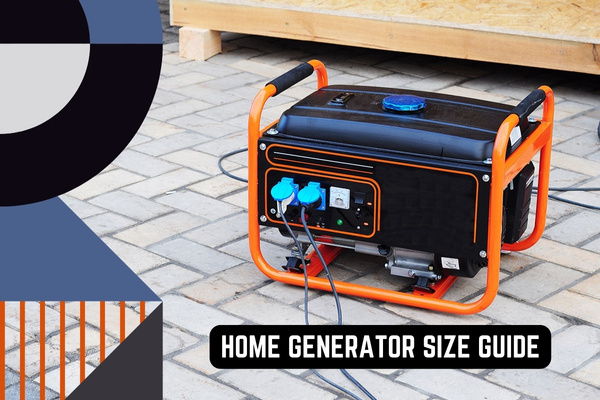
Portable generators are the most common. They're relatively inexpensive and easy to move around.
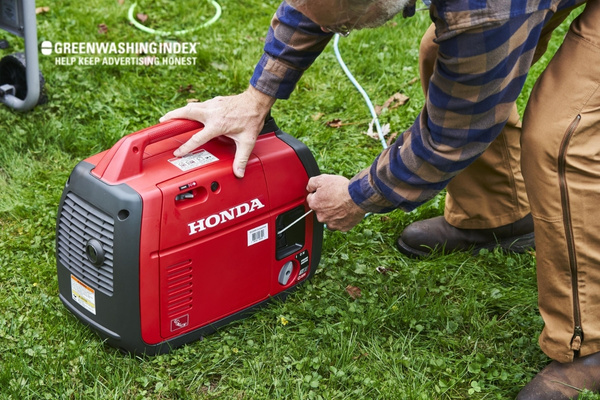
Inverter generators are quieter and produce cleaner power. Great for sensitive electronics.
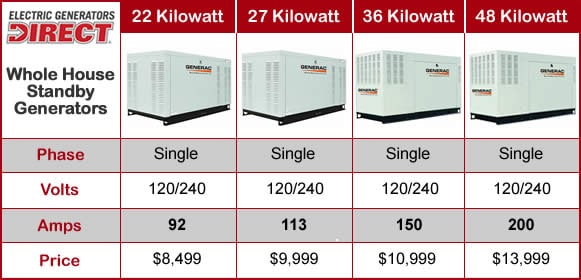
Standby generators are permanently installed. They automatically kick in when the power goes out. Fancy!
Unpopular opinion: Unless you live in a hurricane zone, a portable generator is probably fine. Don't break the bank!
Fueling the Beast
Generators run on different fuels: gasoline, propane, natural gas. Each has pros and cons.
Gasoline is readily available, but it can be smelly and requires storage. Propane is cleaner, but you need a tank.
Natural gas is the most convenient (if you have a natural gas line). It's piped directly to the generator.
Pro tip: Consider fuel availability during an emergency. If gas stations are closed, propane might be a better option.
Safety First! (Seriously!)
Generators produce carbon monoxide. It's a silent killer.
Never run a generator indoors or in an enclosed space. Place it outside, away from windows and doors.
Install carbon monoxide detectors in your home. They can save your life.
Important: Follow the manufacturer's instructions carefully. Don't be a hero. Safety is paramount.
The Extension Cord Conundrum
Use heavy-duty extension cords. Regular cords can overheat and cause a fire.
Choose cords that are rated for outdoor use. Water and electricity don't mix.
Avoid using too many extension cords. Plug appliances directly into the generator whenever possible.
Unpopular opinion: Cheap extension cords are a false economy. Invest in quality cords. Your safety (and your appliances) will thank you.
Maintenance Matters
Generators are like cars. They need regular maintenance.
Change the oil, clean the air filter, and check the spark plug. Follow the manufacturer's recommendations.
Run your generator periodically, even if you don't need it. This keeps the engine lubricated and prevents problems.
Pro tip: Store your generator properly when not in use. Drain the fuel to prevent it from going bad.
Load Management: The Key to Sanity
Even with a properly sized generator, you might need to manage your load.
Don't turn on all your appliances at once. Stagger them to avoid overloading the generator.
Turn off appliances when you're not using them. Conserve power whenever possible.
Another unpopular opinion: Power outages are a good excuse to unplug and reconnect with nature (or read a book... if you have enough light!).
Testing, Testing, 1, 2, 3...
Before the next power outage, test your generator. Make sure it starts and runs properly.
Practice using your generator. Familiarize yourself with the controls and safety procedures.
Knowing your generator works *before* the lights go out will bring you tremendous peace of mind.
The Bottom Line
Sizing a generator for your home doesn't have to be rocket science. A little planning and calculation can go a long way.
Remember to prioritize your needs, calculate your wattage, and choose a generator that fits your budget and lifestyle.
Now go forth and conquer the next power outage! Just don't forget the s'mores ingredients.