There's a certain satisfaction that comes with being prepared, isn't there? Whether it's the comforting aroma of a freshly brewed pot of coffee during a power outage or the ability to keep the fridge humming and the lights on when Mother Nature throws a tantrum, having a generator can be a real lifesaver. For many, it's about more than just convenience; it's about security and peace of mind.
Generators provide reliable backup power, a critical need in our increasingly power-dependent world. Think about it: a severe storm knocks out the grid, and suddenly your home is plunged into darkness. Food spoils, medical equipment fails, and communication is cut off. A generator steps in as the unsung hero, keeping essential appliances running and ensuring a semblance of normalcy amidst the chaos. Beyond emergencies, generators are also incredibly useful for outdoor events like camping trips and tailgating parties, providing power for lights, cooking equipment, and entertainment systems. They’re even indispensable on construction sites where access to the main power grid is limited.
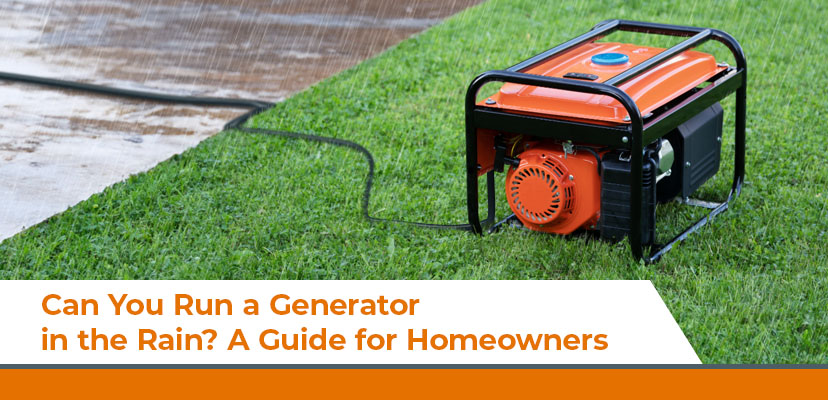
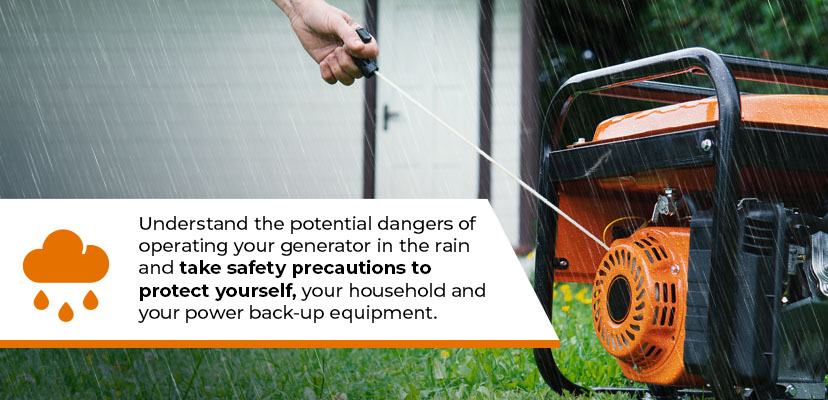
But what happens when that emergency strikes and it's pouring rain? Can you safely run a generator in the downpour? The short answer is yes, but with precautions. Water and electricity are a dangerous combination, so safety is paramount.
Here's how to keep your generator running safely and effectively in the rain:
1. Shelter is Key: The most important thing is to protect the generator from direct exposure to rain. Don't even think about operating it in a puddle! A simple, cost-effective solution is to use a commercially available generator tent or enclosure. These are designed to shield the generator while allowing for adequate ventilation. If you're feeling handy, you can construct a temporary shelter using tarps and sturdy supports, but ensure it's well-ventilated to prevent carbon monoxide buildup.
2. Maintain Distance: Never, ever operate the generator indoors, in a garage, or under an overhang that restricts airflow. Carbon monoxide is a silent killer, and even small amounts can be deadly. Position the generator at least 20 feet away from your house and any windows or doors. Ensure the exhaust is directed away from any occupied areas.
3. Extension Cord Savvy: Use heavy-duty, outdoor-rated extension cords specifically designed for generators. Check the cords for any signs of damage before each use. Avoid running cords through doorways or windows where they could be pinched or damaged. Make sure the cords are properly grounded.
4. Elevate the Generator: Placing the generator on a pallet or other raised platform can help prevent water from pooling around it. This is especially important if you're dealing with heavy rain or flooding.
5. Stay Dry Yourself: Avoid touching the generator or any electrical connections with wet hands. Wear rubber gloves and boots for added protection.
6. Regular Maintenance: Keep your generator well-maintained according to the manufacturer's instructions. This includes checking the oil level, cleaning the air filter, and ensuring the spark plug is in good condition. A properly maintained generator is more reliable and safer to operate.
By following these simple tips, you can confidently and safely operate your generator in the rain, ensuring your home stays powered and your family stays safe and comfortable. Remember, being prepared isn't just about having the equipment; it's about knowing how to use it safely and responsibly.