Ever rescued a soggy book from the clutches of a leaky pipe or a sudden downpour? It can feel like a tragedy! But don't despair, you can give your beloved book a second chance.
The Adventure Begins!
Think of it as book surgery. You're not just fixing paper. You're saving a story, a memory, a friend! Are you ready to roll up your sleeves and dive in?
First Aid: Drying Time!
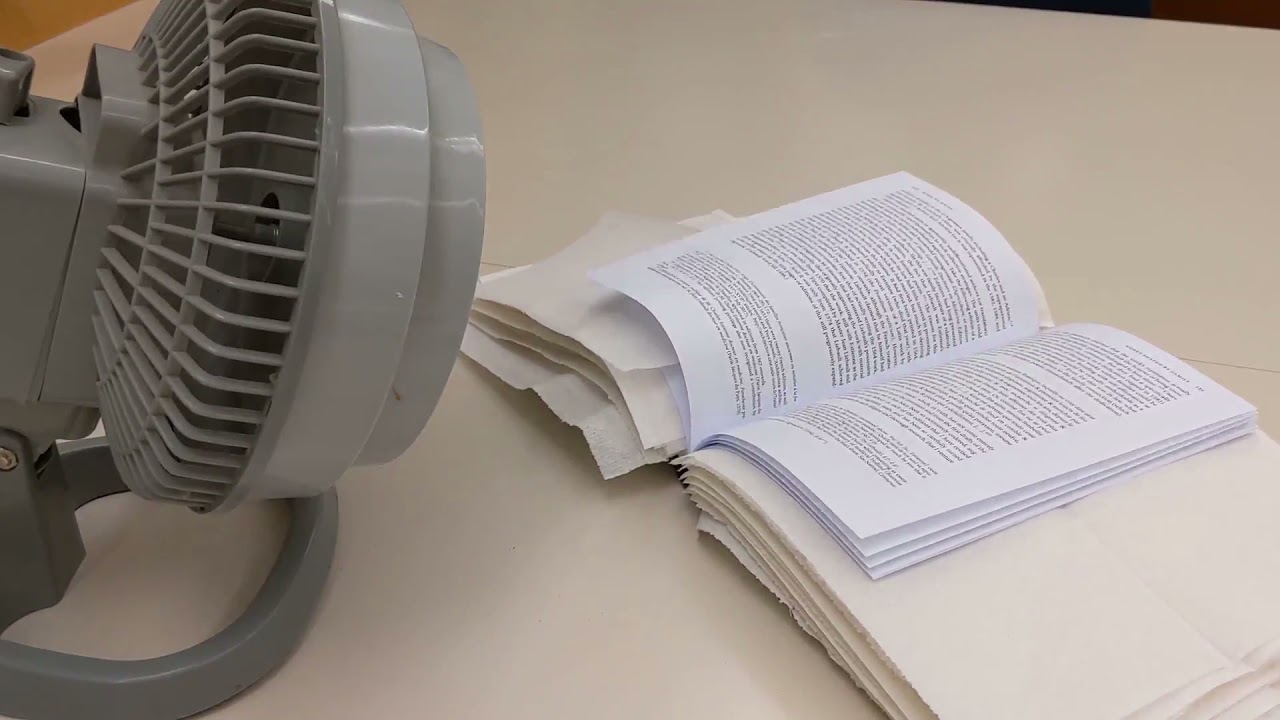
Gently open the book as much as you can without forcing it. Prop it up somehow. A fan is your best friend here. It helps with air circulation. Think of it as giving your book a refreshing breeze.
Place absorbent materials between the pages. Paper towels work well. So do blotting papers. Change these regularly as they soak up the moisture.
Patience is key. This process can take days, even weeks, depending on how wet the book was. Don’t rush it. Trust the process. Every rescued page is a small victory!
Pressing Matters: Flattening the Beast
Once the book is mostly dry, it might be wavy. Who wants a wavy book? Not you, intrepid book restorer! It's time to flatten it out.
Wrap the book in acid-free paper. This protects it from further damage. Then, place it under a heavy object. Think stacks of other books or a brick (wrapped in a towel, of course!).
Leave it there for several days. This gentle pressure will help flatten the pages. Check on it periodically. Feel the pages. Is it dry and flat?
Dealing with Mold: The Unseen Enemy
Uh oh, what's that smell? A musty odor might indicate mold. Mold loves damp books. It's a real party for them!
If you see mold, handle the book with care. Wear a mask and gloves. You don't want to breathe in those spores or get them on your skin.
Gently brush off the mold with a soft brush. Work in a well-ventilated area. Sunshine can help kill mold, but be careful not to overexpose the book to direct sunlight, as this can fade the pages. Sunlight is a double-edged sword!
Page Repair: Mending Tears and Weak Spots
Tears happen. Especially with wet paper. But don’t worry, you can fix them! Think of yourself as a paper surgeon.
Use archival-quality mending tape or Japanese paper and wheat paste. These are designed for delicate paper repairs. Avoid regular tape. It will yellow and damage the paper over time.
Apply the tape or paste sparingly. A little goes a long way. Align the edges of the tear carefully. Press gently to secure the mend.
Rebinding: A Last Resort (and a Big Project!)
If the binding is completely shot, rebinding might be necessary. This is a more advanced project. But definitely doable.
You can find tutorials online. There are also books on bookbinding. It's a fascinating craft. You are basically reconstructing the book.
Or, you can take it to a professional bookbinder. They have the experience and tools to do a proper job. It will cost more, but you’ll have a beautifully restored book.
Why Bother? The Joy of Restoration
Why go through all this trouble? Well, it’s incredibly satisfying! You’re not just fixing a book. You’re preserving history. Preserving a memory.
There's something special about holding a book you’ve rescued. You gave it a second chance. You're a book hero! The reward? A unique, cherished volume.
Imagine the stories this book could tell. Not just the ones printed on its pages. But the story of its rescue. The story of you. It becomes a family treasure!
Tools of the Trade (Gather Your Arsenal!)
So, what do you need to get started? Here's a basic list:
- Absorbent materials (paper towels, blotting paper)
- A fan
- Heavy objects for pressing
- Acid-free paper
- Soft brushes
- Archival-quality mending tape or Japanese paper and wheat paste
- Gloves and a mask (for mold)
You probably already have some of these things at home. The rest can be easily found online or at art supply stores. Gather your supplies. Prepare for battle!
Beyond Repair: Prevention is Key!
Of course, the best way to deal with water damage is to prevent it in the first place! Keep your books away from sources of moisture. Store them in a cool, dry place.
Avoid storing books in damp basements or leaky attics. These are book graveyards! Consider investing in a dehumidifier if you live in a humid climate.
Handle your books with care. Don’t spill drinks on them. Keep them away from pets. Protect them from the elements. A little prevention goes a long way.
The Allure of the Imperfect
Even after your best efforts, your rescued book might not look perfect. And that's okay! In fact, it's more than okay. It's part of its charm.
The imperfections tell a story. They’re a reminder of the book’s journey. The water stains, the mended tears. They're all part of its unique history.
Embrace the imperfections. They make the book special. They make it yours. It's like kintsugi, the Japanese art of repairing broken pottery with gold. The repairs enhance the beauty.
Get Started! (Your Mission, Should You Choose To Accept It…)
So, what are you waiting for? Do you have a water-damaged book waiting for your attention? Don't let it sit there and rot!
Grab your supplies. Roll up your sleeves. Prepare for a rewarding adventure. You might surprise yourself with what you can accomplish.
You're not just repairing a book. You're saving a story. You're becoming a book hero! And that’s something to be proud of. Happy rescuing!
Who knows? Maybe you'll discover a new passion. Perhaps you'll become a book restoration expert. Maybe you'll even start your own book rescue business!
The possibilities are endless. All it takes is a little curiosity, a little patience, and a little love for books. Go forth and rescue! The books are waiting!
Remember, every book has a story to tell. You're just helping it continue its journey. What could be more rewarding? Consider this your official invitation to the wonderful world of book rescue and repair. You might just surprise yourself!