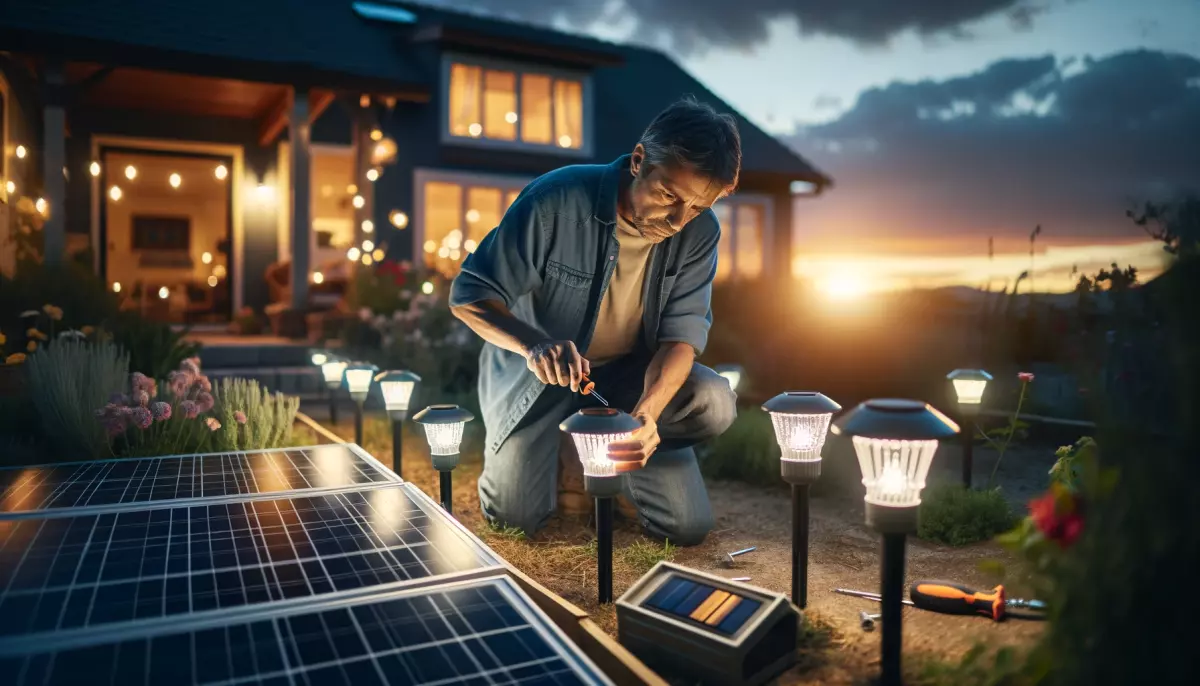
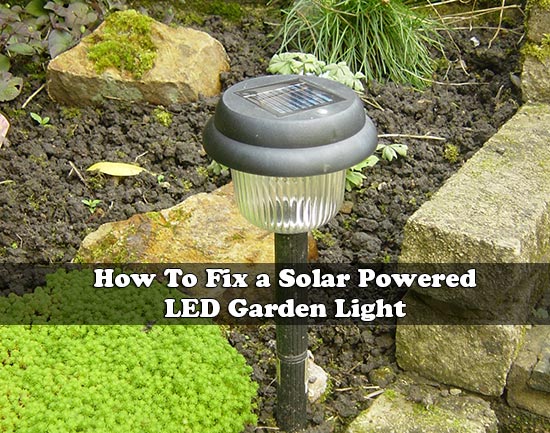
Ah, the solar garden light. That little beacon of hope, silently soaking up sunshine all day, then bravely glowing at night. But what happens when it... doesn't?
Don't despair! Most of the time, rescuing these tiny titans isn't brain surgery. It's more like…garden gnome surgery. Think tiny tools and a whole lot of optimism.
The Case of the Dim Bulb (Or No Bulb At All!)
First, the obvious: is the light switch even on? You'd be surprised how often this is the culprit. Imagine blaming the sun for not shining when you forgot to open the curtains!
Okay, switch flipped? Still darkness? Let's move on to the next suspect: the battery.
Battery Blues
These batteries are rechargeable, but they don't live forever. Think of them like tiny, solar-powered hamsters running on a wheel – eventually, they get tired. And grumpy.
Time for a battery swap! Most solar lights use standard AA or AAA rechargeable batteries. Pop open the battery compartment – usually on the back or underneath – and take a peek.
Now, here's a fun fact: some batteries are shy. They might need a little wiggle to come out. Don't force it, gentle persuasion is key.
Off to the store! Grab a new rechargeable battery (or two, if you're feeling generous). Make sure it's the same type as the old one. Mismatched batteries are a recipe for disaster.
Back home, pop the new battery in, making sure the positive (+) and negative (-) ends are facing the right way. It's like solving a tiny, glowing puzzle!
Flick the switch, stand back, and… light! If not, don't panic. We've got more tricks up our sleeves.
A Solar Panel Predicament
The solar panel is the heart of your little light. It's the bit that soaks up the sun's rays and turns them into electricity. But sometimes, it gets a little…grimy.
Think about it: it's outside all day, battling dust, pollen, and maybe even the occasional bird dropping. A dirty solar panel is a sad solar panel.
Grab a damp cloth – just water, no soap – and gently wipe the surface of the solar panel. Imagine you're giving it a tiny spa treatment.
Let it dry completely before switching the light on. A clean panel is a happy panel, and a happy panel makes for a bright light.
Still dim? Hmmm… let's investigate further. Sometimes, a bit of internal cleaning is needed.
Taking Apart the Tiny Titan
This part requires a bit of bravery. We're going to open up our solar light and see what's going on inside. Think of it as performing open-heart surgery on a very small robot.
First, find the screws. They're usually hidden on the underside or around the edges. A small screwdriver is your best friend here.
Carefully take the light apart, piece by piece. Pay attention to how everything fits together – you'll need to put it back together later. A picture on your phone can be helpful here!
Once you're inside, look for any loose wires or corroded connections. Sometimes, a wire just needs a little nudge to reconnect.
If you see corrosion (that greenish, crusty stuff), gently scrape it off with a small brush or even a cotton swab dipped in vinegar.
Now, the tricky part: putting it all back together. This is where that photo you took earlier comes in handy. Take your time, be patient, and don't force anything.
Screws tightened? Switch flipped? Cross your fingers and… light! Hopefully, your little light is back to its shining self.
The Curious Case of the Waterlogged Light
Solar lights live outside, which means they're exposed to the elements. And sometimes, those elements include rain. Lots and lots of rain.
If your light is full of water, it's probably not going to work. Think of it as trying to swim with a toaster – not a good idea.
First, empty the water out. If there's a drain hole, use it. If not, you might have to take the light apart again. (Remember that photo?)
Once the water is out, let the light dry completely. This could take a few days, depending on the humidity. Patience is a virtue, especially when dealing with soggy solar lights.
Once it's dry, try replacing the battery. Sometimes, water damage can ruin the battery. Hopefully, that's all it takes.
When to Say Goodbye
Sometimes, despite your best efforts, a solar light just can't be saved. It's sad, but it happens. Think of it as a tiny, glowing friend who has reached the end of its journey.
Don't just toss it in the trash! Recycle it properly. Most electronics stores and recycling centers will accept old solar lights.
And then, treat yourself to a new one! Maybe even a whole string of them. After all, a garden full of twinkling lights is a happy garden. And a happy garden makes for a happy gardener.
The Joy of the Fix
There's something incredibly satisfying about fixing a broken solar light. It's a small act of rebellion against the throwaway culture. It's a way of saying, "I can fix this!"
It's also a reminder that even the smallest things can be repaired and reused. And that sometimes, a little bit of tinkering is all it takes to bring a little light back into the world.
Plus, imagine the bragging rights! You can tell all your friends, "Oh, these solar lights? Yeah, I fixed them myself. I'm basically a solar light surgeon."
So, next time your solar light flickers and dies, don't despair. Grab your tools, channel your inner engineer, and get to work. You might just surprise yourself with what you can accomplish.
And even if you fail, you'll have learned something new. And that's always a good thing. Plus, you'll have a great story to tell. "Yeah, I tried to fix my solar light. It didn't end well. But hey, at least I tried!"
Remember, every journey, even the journey to fix a tiny solar light, is an adventure. Embrace the challenge, enjoy the process, and celebrate the small victories. Because in the end, it's not just about the light. It's about the journey.
Preventative Maintenance is Key
Regular cleaning of the solar panel is crucial. This helps ensure optimal sunlight absorption and efficient charging.
Periodically check the battery compartment for any signs of corrosion or water damage. Address any issues promptly to prevent further damage.
Store your solar lights indoors during extreme weather conditions, such as heavy snow or prolonged periods of freezing temperatures. This can help prolong their lifespan.
Consider upgrading to higher-quality rechargeable batteries. These batteries tend to last longer and provide more consistent performance.
Position your solar lights in areas that receive ample sunlight throughout the day. This will maximize their charging potential and ensure brighter illumination at night.
Troubleshooting Tips and Tricks
If your solar light is not turning on at all, try covering the solar panel with your hand to simulate darkness. This will help determine if the light sensor is functioning properly.
If the light is dim, try charging it for a full day in direct sunlight. This will ensure that the battery is fully charged.
If the light only stays on for a short period of time, the battery may be nearing the end of its lifespan. Consider replacing it with a new rechargeable battery.
If the light is flickering, there may be a loose connection inside the light fixture. Carefully inspect the wiring and connections to ensure they are secure.
If you are still experiencing problems, consult the manufacturer's instructions or contact a qualified technician for assistance.
Extending the Life of Your Solar Lights
Avoid placing your solar lights in areas where they will be exposed to excessive moisture or humidity. This can cause corrosion and damage to the internal components.
Protect your solar lights from physical damage by placing them in sheltered locations or using protective covers.
Clean your solar lights regularly with a soft, damp cloth. Avoid using harsh chemicals or abrasive cleaners, as these can damage the solar panel and other components.
Inspect your solar lights periodically for any signs of wear and tear. Address any issues promptly to prevent them from escalating into more serious problems.
By following these simple tips, you can help extend the life of your solar lights and enjoy their beautiful illumination for years to come.
Embrace the DIY Spirit
Repairing your solar garden lights is not only a practical way to save money, but it's also a great way to connect with your belongings and develop your problem-solving skills.
Don't be afraid to experiment and try different solutions. You might be surprised at what you can accomplish with a little bit of effort and creativity.
There are numerous online resources available to help you troubleshoot and repair your solar lights. Take advantage of these resources to expand your knowledge and skills.
Share your repair experiences with others and encourage them to embrace the DIY spirit as well. Together, we can create a more sustainable and resourceful community.
So, go ahead and give it a try. You might just discover a hidden talent for fixing things and a newfound appreciation for the ingenuity of solar technology.