Ever glanced at your car's dashboard and seen that little gauge labeled "Oil Pressure" and thought, "Huh, what's that all about?" You're not alone! It might seem like just another random dial, but trust me, knowing how to read your oil pressure gauge is like having a secret window into the heart of your engine. It's surprisingly interesting, and definitely worth understanding. Think of it as learning a new superpower for car owners!
Why should you care? Well, oil pressure is crucial for keeping your engine happy and healthy. It's what keeps all those important parts moving smoothly, preventing them from grinding against each other and causing serious damage. Think of oil as the lubricating lifeline of your engine!
So, What Does the Gauge Actually Tell You?
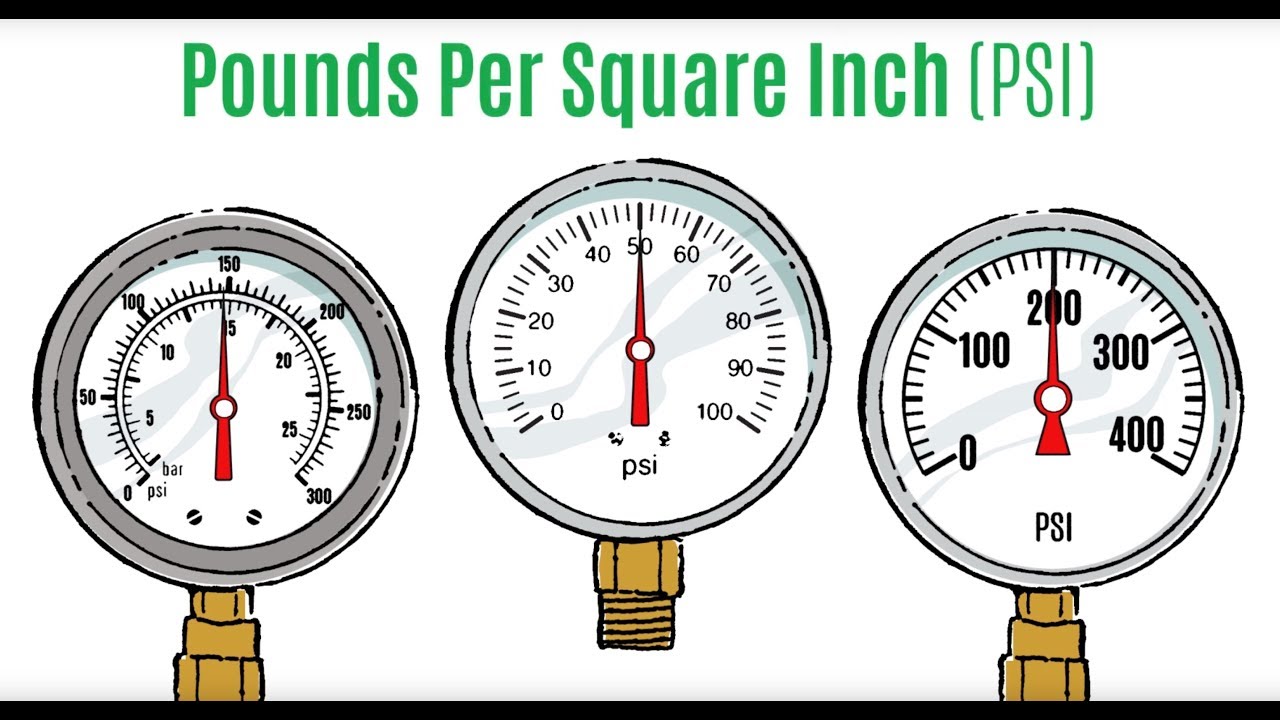
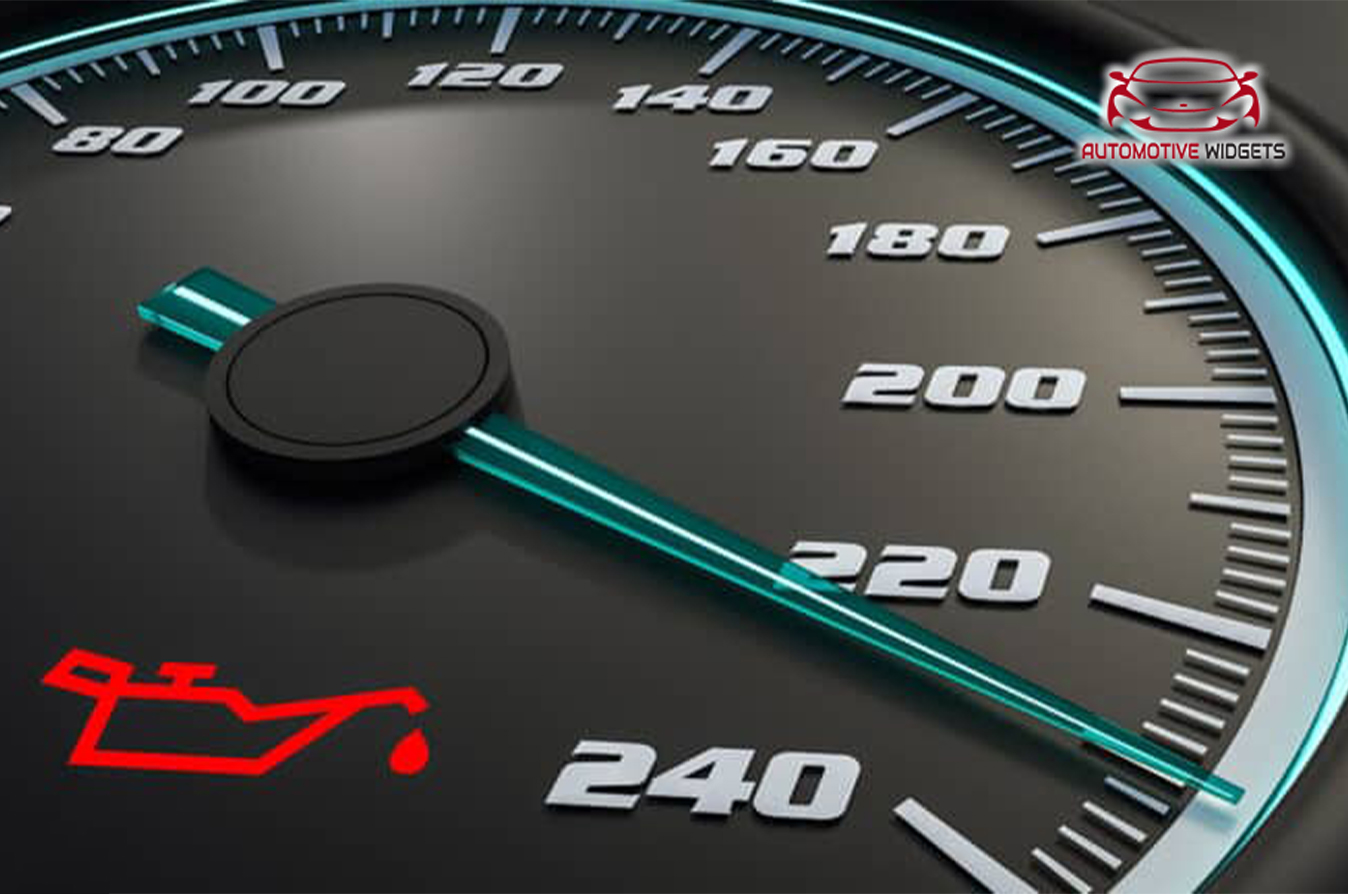
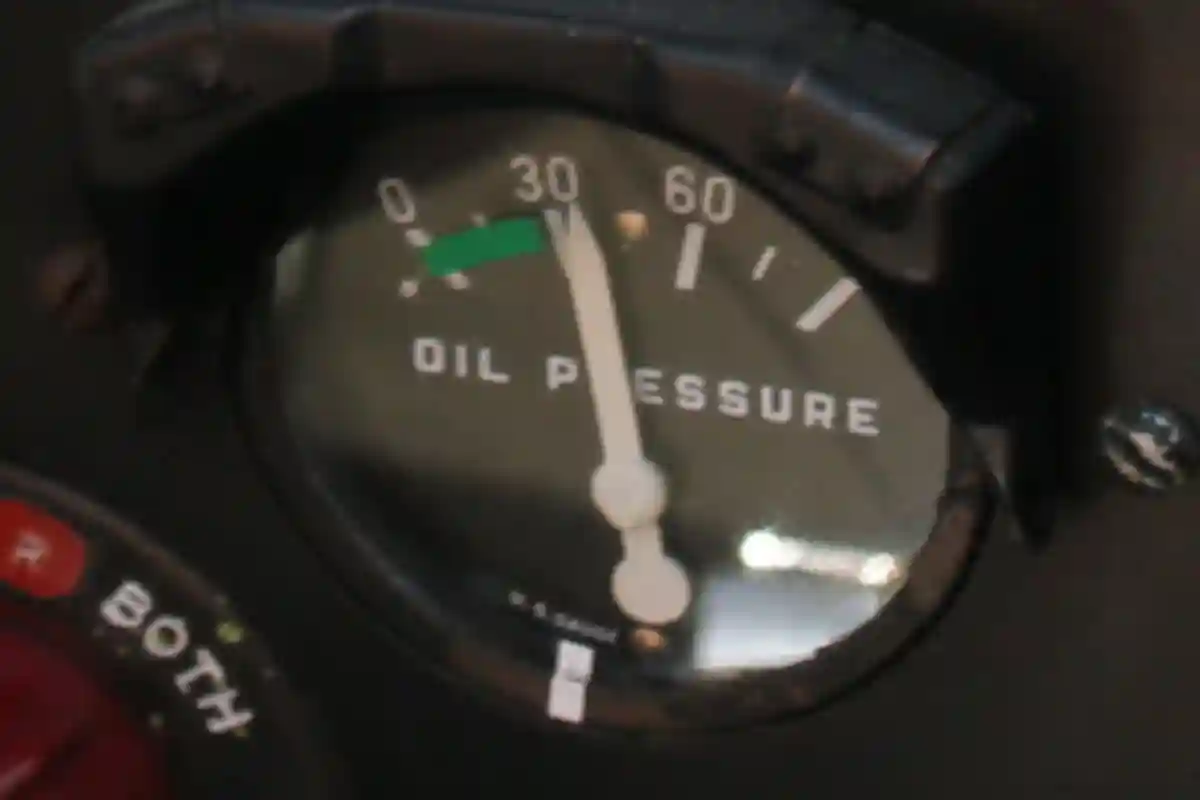
The oil pressure gauge measures the force with which your engine oil is being pumped around. It's usually measured in PSI (pounds per square inch) or BAR (a metric unit). The numbers themselves aren't as important as understanding what they mean in relation to your engine's normal operating range. What's "normal" anyway?
Generally, a normal oil pressure reading falls within a specific range. This range varies from car to car, so always check your owner's manual for the specifics of your vehicle. Consider it your engine's personal "blood pressure" reading!
But as a general guideline, you might see numbers something like this:
- Cold Start: Slightly higher than normal. This is because the oil is thicker when it's cold.
- Idling (Warm Engine): Lower than when you're driving, but still within the normal range.
- Driving at Normal Speed: Should be somewhere in the middle of the normal range.
Think of it like this: Your oil pressure is kinda like Goldilocks' porridge. You don't want it too high, too low, or just right? Right!
Decoding the Warning Signs: High and Low Oil Pressure
Okay, so what happens when the gauge starts acting weird? High or low readings are signs that something might be amiss. Let's break down what those could mean.
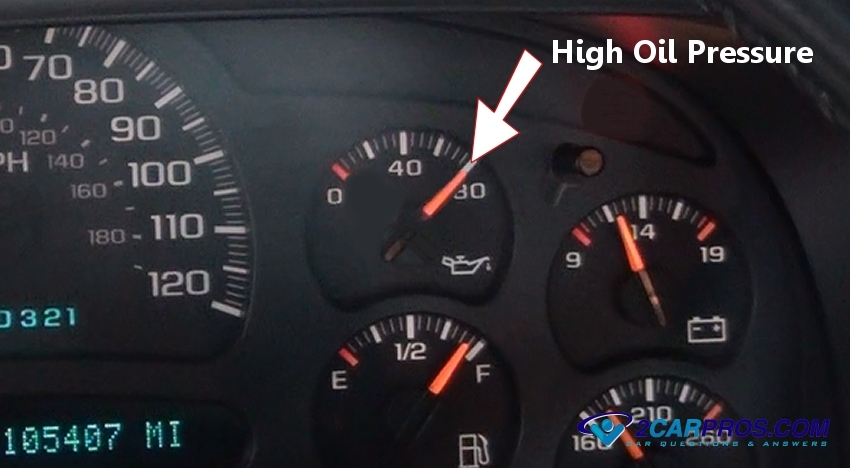
High Oil Pressure
Seeing a reading that's consistently higher than normal? Don't panic, but definitely investigate! Possible causes for high oil pressure could include:
- A faulty oil pressure sensor: This is like a broken thermometer giving you a wrong temperature reading.
- Clogged oil filter: Imagine trying to breathe through a dirty mask – the oil has to work harder to get through.
- Incorrect oil viscosity: Using a thicker oil than recommended can increase pressure.
While high oil pressure isn't usually as immediately dangerous as low pressure, it can still put strain on your engine components over time. Think of it as constantly lifting heavy weights – eventually, something's gonna give!
Low Oil Pressure
Low oil pressure is a more serious concern. It means that your engine isn't getting enough lubrication, which can lead to serious damage very quickly. Possible causes include:
- Low oil level: This is the most common cause. Check your dipstick!
- Oil leak: Are you seeing oil spots under your car?
- Worn-out oil pump: Like a tired heart, it's not pumping as effectively.
- Engine wear: As your engine ages, clearances can increase, leading to lower pressure.
A consistently low oil pressure reading is a red flag. If you see this, pull over safely as soon as possible and get it checked out. Ignoring it can lead to catastrophic engine failure. This is not something to ignore!
What To Do If You See a Problem
So, you've spotted something unusual on your oil pressure gauge. What's the next step? Here's a quick guide:
- Check your oil level: This is the easiest and most obvious first step.
- Listen for unusual noises: Is your engine making any knocking or ticking sounds?
- Check for oil leaks: Look under your car and around the engine for any signs of leaks.
- Consult your owner's manual: This will give you specific information about your vehicle's oil pressure requirements.
- Get it checked by a mechanic: If you're unsure or the problem persists, take your car to a qualified mechanic.
Remember, taking a proactive approach to maintaining your car is always a good idea. Regularly monitoring your oil pressure gauge is a simple way to protect your engine and avoid costly repairs down the road. Think of it as preventive medicine for your car – a little attention can go a long way!
So next time you're driving, take a peek at that oil pressure gauge. You're now armed with the knowledge to understand what it's telling you about the health of your engine. Pretty cool, right?