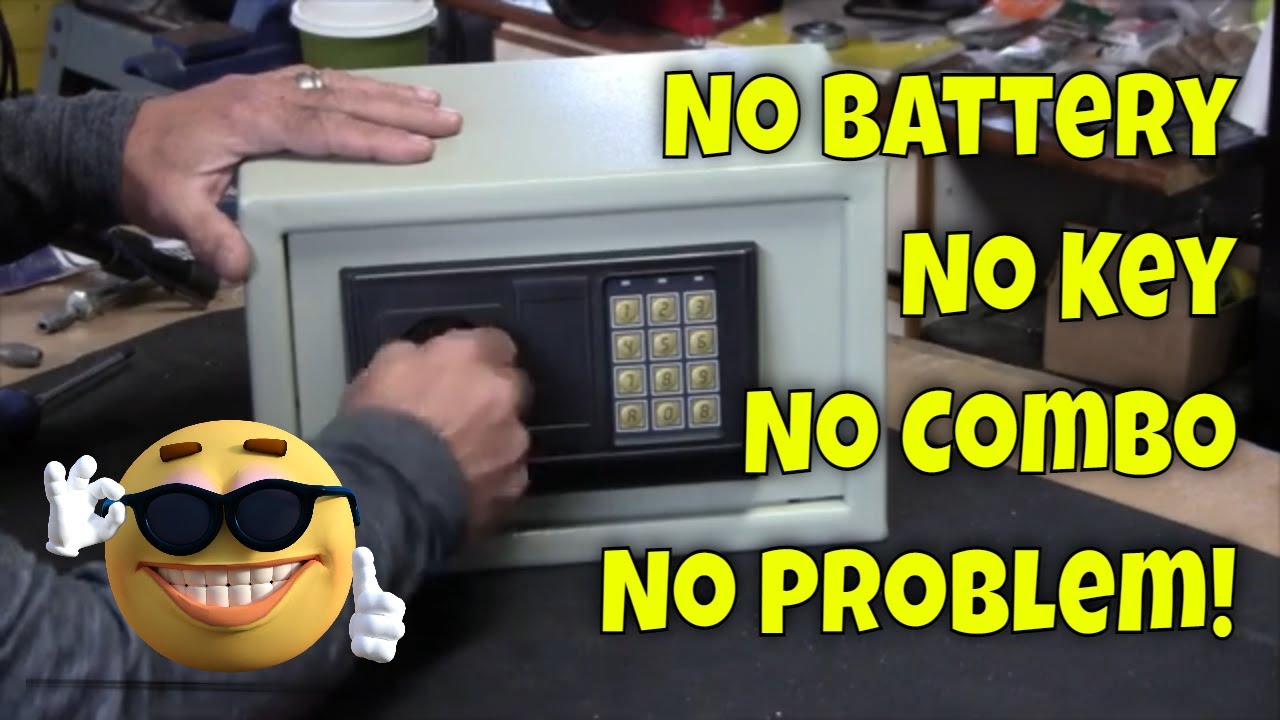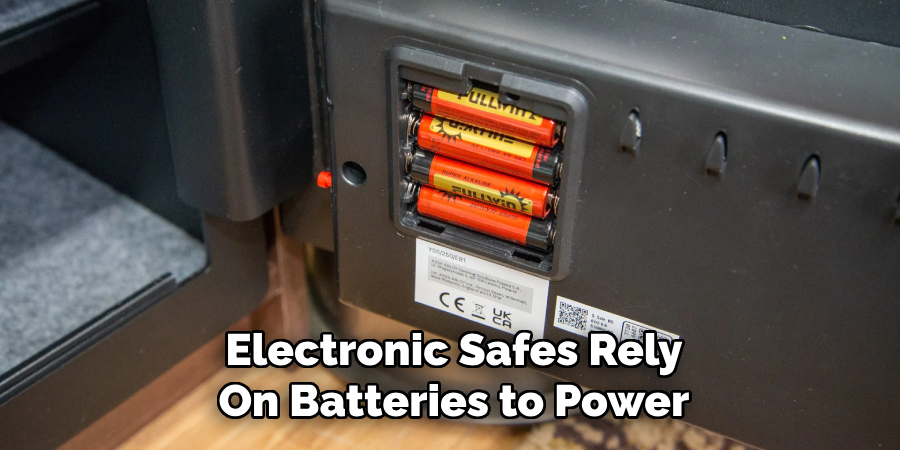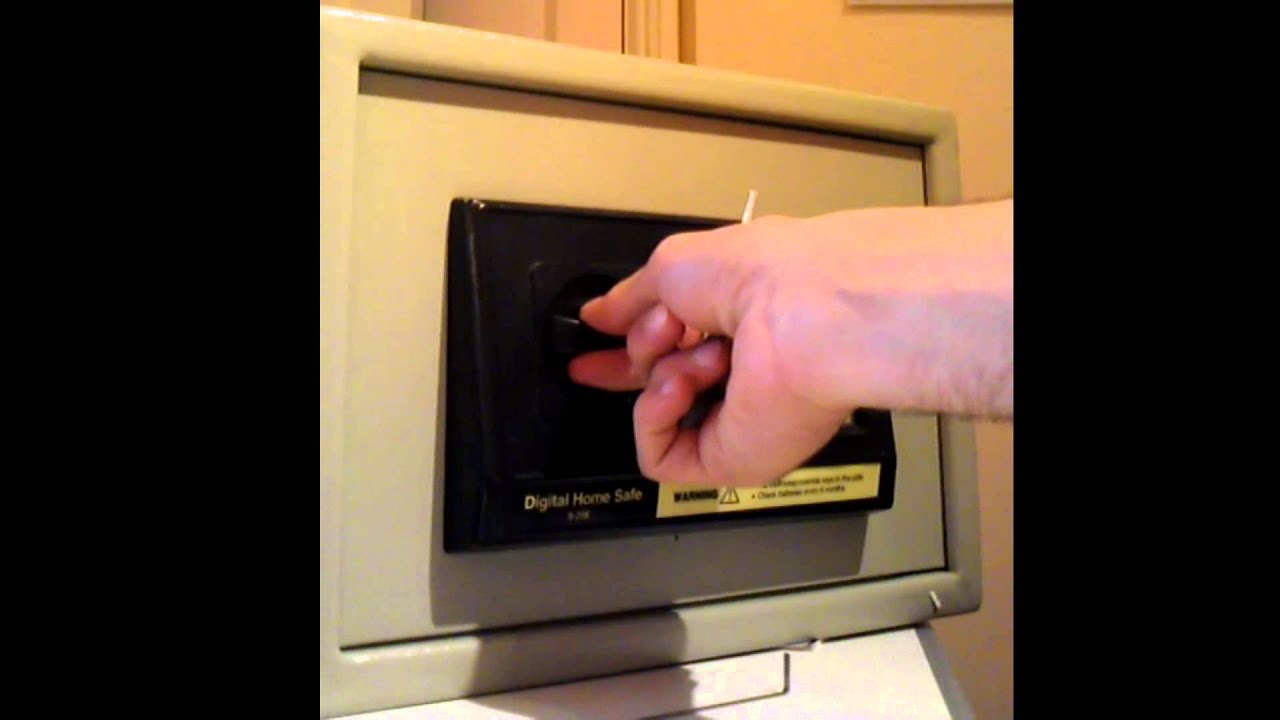
Ever find yourself locked out of your own safe? It’s a situation that manages to be both frustrating and slightly comical, like starring in your own low-budget heist movie. Whether you're storing important documents, valuables, or even just sentimental items, a safe provides peace of mind. But what happens when that peace of mind is shattered by the dreaded dead battery? Knowing how to tackle this problem is not just a handy skill, it's a way to regain control and avoid unnecessary panic. Think of it as a miniature puzzle box challenge, right in your own home!
The purpose of understanding how to open a safe with a dead battery is pretty straightforward: it allows you to access the contents of your safe when its primary power source fails. The benefits are numerous. First and foremost, it saves you time and money by avoiding the need to call a locksmith immediately. Locksmith services can be expensive, especially if you need them outside of regular business hours. Secondly, it prevents potential damage to your safe that might occur if you attempt to force it open. And thirdly, and perhaps most importantly, it gives you a sense of self-reliance. You're equipped to handle a common problem independently, which is always a good feeling.
So, how can this knowledge be useful in everyday life? Imagine you're a teacher who stores exam papers in a safe. On the day of the exam, the battery dies. Knowing how to bypass this issue quickly allows you to access the papers and avoid disrupting the exam schedule. Or picture a small business owner who keeps petty cash and important documents in a safe. A dead battery could halt operations, but with the right knowledge, you can quickly restore access and keep things running smoothly. Even in a household setting, imagine you need important insurance documents stored in the safe urgently – a dead battery shouldn't stand in your way.
Here are a few practical tips and methods to explore, keeping in mind that safe mechanisms vary, so always consult your safe's manual first:
- External Battery Pack: Many electronic safes have an external battery contact point. Look for a small panel or port near the keypad. Connect a 9-volt battery to this point, and it should provide enough power to enter your code.
- Key Override: Some safes have a key override feature. This is usually a small keyhole hidden behind a panel or disguised as part of the keypad. If you have this key, it will bypass the electronic lock. Always keep this key in a secure but accessible location, not inside the safe itself!
- Master Code: Check your safe's manual for a factory-set master code. This code can often override the user code in case of emergencies. Be aware that using the master code may reset your personal code.
- Contact the Manufacturer: If all else fails, contact the safe manufacturer for assistance. They may be able to provide specific instructions or troubleshooting tips for your model.
Exploring this topic doesn't have to be daunting. Start by reading the manual for your safe. Familiarize yourself with the different features and troubleshooting steps. Practice accessing the safe using the key override or external battery pack before you actually need it. This will help you feel more confident and prepared in case of a dead battery emergency. Remember, a little preparation can go a long way in preventing a major headache!