Alright folks, let's talk about something that might sound intimidating but is actually pretty straightforward: measuring fillet welds! Now, before you click away thinking this is some advanced engineering lecture, trust me, it's not. Think of it like this: knowing how to measure a fillet weld is like knowing how to properly butter your toast – do it right, and you get a satisfying result. Do it wrong, and… well, you get uneven toast. And nobody wants uneven toast.
But seriously, understanding weld size is important. It directly affects the strength and integrity of anything that's been welded. Imagine a wobbly chair – chances are, the welds holding it together are undersized or just plain bad. We don't want our projects falling apart, do we?
What Exactly IS a Fillet Weld?
Think of a fillet weld as a weld placed in a corner, where two pieces of metal meet at an angle, typically 90 degrees. It's like adding a dollop of strong, molten metal glue to hold things together. You see them everywhere: in bridges, buildings, trailers, even in the metal frames of your garden furniture.
Measuring a fillet weld basically means determining its size. And the way we usually express that size is through something called the "leg length."
Leg Length: Your New Best Friend
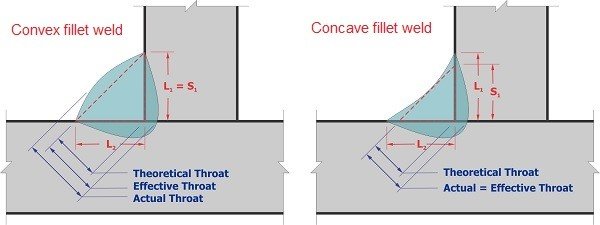
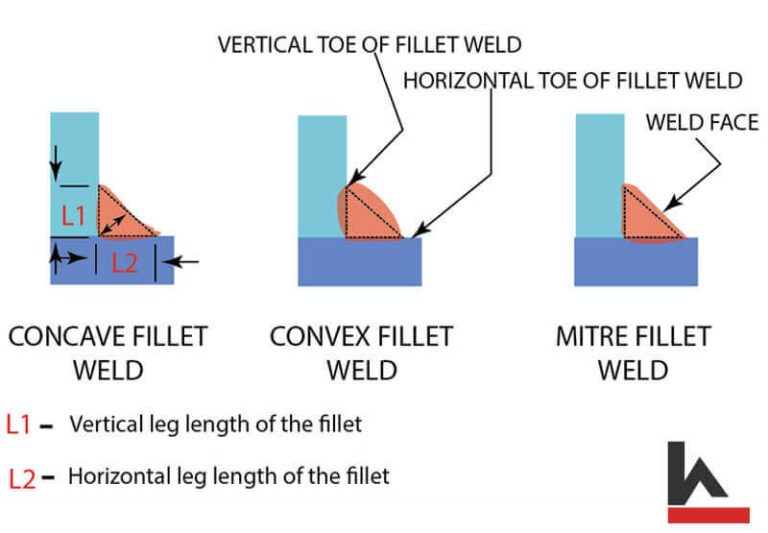
The leg length of a fillet weld is the distance from the toe (the edge of the weld) to the point where the weld meets the original metal surfaces. Imagine drawing a straight line from the edge of the weld down to each of the pieces of metal you've joined. That's your leg length!
Think of it like measuring the sides of a right-angled triangle formed by the weld and the joined metals. We're interested in the two shorter sides, the legs.
So, How Do We Measure It? Let's Get Practical!
Okay, enough theory. Let's get our hands dirty (figuratively, of course! Always wear proper safety gear when dealing with welds!).
You'll need a few things:
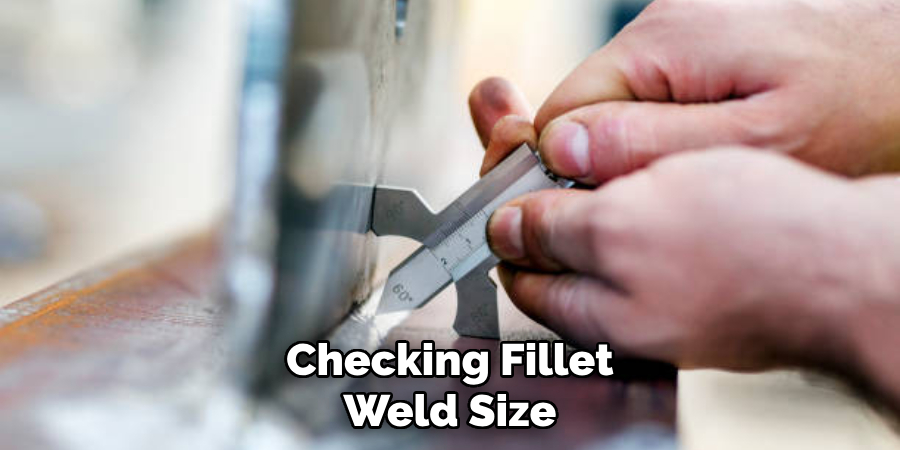
* A Fillet Weld Gauge: This is the hero of our story. A fillet weld gauge is a small, inexpensive tool specifically designed to measure fillet weld leg lengths. You can find them online or at most welding supply stores. They usually come in a set with different sizes marked on them. * Good Lighting: You need to see what you're doing! Adequate lighting is essential for accurate measurements. * A Clean Weld: Remove any slag (that crusty stuff left over from welding) and debris from the weld area. This gives you a clearer view of the weld profile.Now for the fun part:
- Select the right gauge: Choose a gauge that you think is closest to the size of the weld.
- Position the gauge: Place the gauge against the weld, aligning the gauge's edges with the original metal surfaces. Make sure the gauge sits snugly in the corner.
- Check the fit: Look closely! Is there any gap between the gauge and the weld? If there is, try a smaller gauge. If the gauge doesn't fit properly, try a larger one.
- Read the measurement: Once you've found the gauge that fits snugly against the weld, read the measurement marked on the gauge. That's your leg length!
It might take a little practice to get the hang of it, but with a little patience, you'll be measuring fillet welds like a pro in no time!
Why Bother? The Real-World Impact
Why should you care about all this? Well, undersized welds are weak welds. Over-sized welds are wasteful and can actually introduce more heat into the metal, potentially weakening it. Getting the weld size right ensures your project is strong, safe, and efficient.
Imagine building a metal gate for your garden. If the welds holding the frame together are too small, the gate might sag or even collapse over time. But if the welds are properly sized, your gate will stand strong for years to come, weathering the elements and keeping those pesky squirrels out of your prize-winning tomatoes!
Ultimately, understanding how to measure a fillet weld is about ensuring the quality and reliability of your welding projects. It's about taking pride in your work and knowing that you've built something that will last. So grab a fillet weld gauge, practice a little, and start measuring! You'll be amazed at how much difference it makes.
And who knows, maybe one day you'll be building bridges, not just gates! But even if you're just welding together a small project in your garage, knowing how to measure a fillet weld is a valuable skill that will serve you well for years to come.